

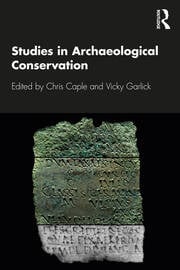
Studies in archaeological conservation / edited by Chris Caple, Vicky Garlick.
ISBN
9781000223514 electronic publication
1000223515 electronic publication
9781000223477 electronic book
1000223477 electronic book
9781000223491 Mobipocket electronic book
1000223493 Mobipocket electronic book
9780429342257 electronic book
042934225X electronic book
9780367358440 hardcover
9780367358433 paperback
1000223515 electronic publication
9781000223477 electronic book
1000223477 electronic book
9781000223491 Mobipocket electronic book
1000223493 Mobipocket electronic book
9780429342257 electronic book
042934225X electronic book
9780367358440 hardcover
9780367358433 paperback
Dil Kodu
İngilizce
Yayın Bilgisi
Abingdon, Oxon ; New York, NY : Routledge, 2021.
©2021
©2021
Fiziksel Niteleme
1 online resource : illustrations (black and white)
İçindekiler Notu
PART I: Introduction -- 1. Introduction: the challenges of archaeological conservation -- PART II: Case studies: stone and plaster -- 2. The conservation of a Viking Age sculpture from York -- 3. A plaster cast of a Mesopotamian lioness in the Durham Oriental Museum -- 4. The conservation of an Egyptian rock crystal dish -- 5. The conservation of a fossil suffering from pyrite decay -- PART III: Ceramics and glass -- 6. Retreatment of an archaeological glass beaker -- 7. Pierced Bronze Age ceramic vessel from Jericho -- 8. Conservation of a late Parthian-early Sasanian vessel -- 9. Conservation of an Archaic cuneiform tablet from Babylonia -- 10. Boat model masthead in faience -- PART IV: Metals -- 11. Copper alloy objects suspected of bronze disease: the Burrell Bronzes -- 12. Economy and decision making in the use of benzotriazole -- 13. Button from the River Wear, Durham -- 14. Cleaning, consolidating, and reassembling a fragmentary copper alloy object -- 15. A late-medieval pectoral cross pilgrim sign from the River Wear, Durham -- 16. Conservation of a pewter dish from the wreck of The Coronation -- 17. The conservation of threeth-century archaeological iron keys -- PART V: Organics - wood, textiles, leather -- 18. Interventive conservation of a waterlogged wooden bucket -- 19. Re-treatment of a marine archaeological leather shoe -- 20. The conservation ofMesolithic birch bark rolls from Star Carr -- 21. Investigation of a charred wooden torso from Uruk -- 22. Restorage of archaeological textiles at the Museum of London -- 23. Conservation and repackaging of a collection of Coptic textiles -- PART VI: Bone, composite and display -- 24. Conservation project: the Stengade double grave, Langeland Museum, Denmark -- 25. Conservation of two World War I rifles and a military equipment belt -- 26. Conservation of a Roman skeleton -- 27. Treatment of a block-lifted chicken skeleton
Özet, vb.
Studies in Archaeological Conservation features a range of case studies that explore the techniques and approaches used in current conservation practice around the world and, taken together, provide a picture of present practice in some of the world-leading museums and heritage organisations. Archaeological excavations produce thousands of corroded and degraded fragments of metal, ceramic, and organic material that are transformed by archaeological conservators into the beautiful and informative objects that fill the cases of museums. The knowledge and expertise required to undertake this transformation is demonstrated within this book in a series of 26 fascinating case studies in archaeological conservation and artefact investigation, undertaken in laboratories around the world. These case studies are contextualised by a detailed introductory chapter, which explores the challenges presented by researching and conserving archaeological artefacts and details how the case studies illustrate the current state of the subject. Studies in Archaeological Conservation is the first book for over a quarter of a century to show the range and diversity of archaeological conservation, in this case through a series of case studies. As a result, the book will be of great interest to practising conservators, conservation students, and archaeologists around the world.
Konu
Archaeology __ Methodology __ Case studies.
Historic sites __ Conservation and restoration __ Case studies.
SOCIAL SCIENCE / Archaeology __ bisacsh
Historic sites __ Conservation and restoration __ Case studies.
SOCIAL SCIENCE / Archaeology __ bisacsh
Diğer Yazarlar
Veritabanı
Eseri Alıntıla
Referansları kullanmadan önce gözden geçirmeniz ve varsa gerekli düzeltmeleri yapmanız önerilir.
Dijital Kaynak
MARC Görünümü
LEADER 05272cam a22005411i 4500
001 793978
003 TR_AnAIT
005 20260123002526
006 m d
007 cr |||||||||||
008 201019t20212021enka o 000 0 eng d
020 |a9781000223514|qelectronic publication
020 |a1000223515|qelectronic publication
020 |a9781000223477|qelectronic book
020 |a1000223477|qelectronic book
020 |a9781000223491|qMobipocket electronic book
020 |a1000223493|qMobipocket electronic book
020 |a9780429342257|qelectronic book
020 |a042934225X|qelectronic book
020 |z9780367358440|qhardcover
020 |z9780367358433|qpaperback
024 7 |a10.4324/9780429342257|2doi
035 |a(OCoLC)1222778433
035 |a(OCoLC-P)1222778433
040 |aOCoLC-P|beng|erda|epn|cOCoLC-P
041 |aeng
049 |aTürk Tarih Kurumu Kütüphanesi
050 4|aCC75|b.S88 2021
072 7|aART|x056000|2bisacsh
072 7|aSOC|x003000|2bisacsh
072 7|aGM|2bicssc
082 04|a930.1028|223
245 00|aStudies in archaeological conservation /|cedited by Chris Caple, Vicky Garlick.
264 1|aAbingdon, Oxon ;|aNew York, NY :|bRoutledge,|c2021.
264 4|c©2021
300 |a1 online resource :|billustrations (black and white)
336 |atext|2rdacontent
336 |astill image|2rdacontent
337 |acomputer|2rdamedia
338 |aonline resource|2rdacarrier
505 0 |aPART I: Introduction -- 1. Introduction: the challenges of archaeological conservation -- PART II: Case studies: stone and plaster -- 2. The conservation of a Viking Age sculpture from York -- 3. A plaster cast of a Mesopotamian lioness in the Durham Oriental Museum -- 4. The conservation of an Egyptian rock crystal dish -- 5. The conservation of a fossil suffering from pyrite decay -- PART III: Ceramics and glass -- 6. Retreatment of an archaeological glass beaker -- 7. Pierced Bronze Age ceramic vessel from Jericho -- 8. Conservation of a late Parthian-early Sasanian vessel -- 9. Conservation of an Archaic cuneiform tablet from Babylonia -- 10. Boat model masthead in faience -- PART IV: Metals -- 11. Copper alloy objects suspected of bronze disease: the Burrell Bronzes -- 12. Economy and decision making in the use of benzotriazole -- 13. Button from the River Wear, Durham -- 14. Cleaning, consolidating, and reassembling a fragmentary copper alloy object -- 15. A late-medieval pectoral cross pilgrim sign from the River Wear, Durham -- 16. Conservation of a pewter dish from the wreck of The Coronation -- 17. The conservation of threeth-century archaeological iron keys -- PART V: Organics - wood, textiles, leather -- 18. Interventive conservation of a waterlogged wooden bucket -- 19. Re-treatment of a marine archaeological leather shoe -- 20. The conservation ofMesolithic birch bark rolls from Star Carr -- 21. Investigation of a charred wooden torso from Uruk -- 22. Restorage of archaeological textiles at the Museum of London -- 23. Conservation and repackaging of a collection of Coptic textiles -- PART VI: Bone, composite and display -- 24. Conservation project: the Stengade double grave, Langeland Museum, Denmark -- 25. Conservation of two World War I rifles and a military equipment belt -- 26. Conservation of a Roman skeleton -- 27. Treatment of a block-lifted chicken skeleton
520 |aStudies in Archaeological Conservation features a range of case studies that explore the techniques and approaches used in current conservation practice around the world and, taken together, provide a picture of present practice in some of the world-leading museums and heritage organisations. Archaeological excavations produce thousands of corroded and degraded fragments of metal, ceramic, and organic material that are transformed by archaeological conservators into the beautiful and informative objects that fill the cases of museums. The knowledge and expertise required to undertake this transformation is demonstrated within this book in a series of 26 fascinating case studies in archaeological conservation and artefact investigation, undertaken in laboratories around the world. These case studies are contextualised by a detailed introductory chapter, which explores the challenges presented by researching and conserving archaeological artefacts and details how the case studies illustrate the current state of the subject. Studies in Archaeological Conservation is the first book for over a quarter of a century to show the range and diversity of archaeological conservation, in this case through a series of case studies. As a result, the book will be of great interest to practising conservators, conservation students, and archaeologists around the world.
588 |aOCLC-licensed vendor bibliographic record.
650 0|aArchaeology|xMethodology|vCase studies.
650 0|aHistoric sites|xConservation and restoration|vCase studies.
650 7|aSOCIAL SCIENCE / Archaeology|2bisacsh
700 1 |aCaple, Chris,|d1958-|eeditor.
700 1 |aGarlick, Vicky,|eeditor.
856 40|3Taylor & Francis|uhttps://www.taylorfrancis.com/books/9780429342257
856 42|3OCLC metadata license agreement|uhttp://www.oclc.org/content/dam/oclc/forms/terms/vbrl-201703.pdf
901 |aTaylor & Francis
001 793978
003 TR_AnAIT
005 20260123002526
006 m d
007 cr |||||||||||
008 201019t20212021enka o 000 0 eng d
020 |a9781000223514|qelectronic publication
020 |a1000223515|qelectronic publication
020 |a9781000223477|qelectronic book
020 |a1000223477|qelectronic book
020 |a9781000223491|qMobipocket electronic book
020 |a1000223493|qMobipocket electronic book
020 |a9780429342257|qelectronic book
020 |a042934225X|qelectronic book
020 |z9780367358440|qhardcover
020 |z9780367358433|qpaperback
024 7 |a10.4324/9780429342257|2doi
035 |a(OCoLC)1222778433
035 |a(OCoLC-P)1222778433
040 |aOCoLC-P|beng|erda|epn|cOCoLC-P
041 |aeng
049 |aTürk Tarih Kurumu Kütüphanesi
050 4|aCC75|b.S88 2021
072 7|aART|x056000|2bisacsh
072 7|aSOC|x003000|2bisacsh
072 7|aGM|2bicssc
082 04|a930.1028|223
245 00|aStudies in archaeological conservation /|cedited by Chris Caple, Vicky Garlick.
264 1|aAbingdon, Oxon ;|aNew York, NY :|bRoutledge,|c2021.
264 4|c©2021
300 |a1 online resource :|billustrations (black and white)
336 |atext|2rdacontent
336 |astill image|2rdacontent
337 |acomputer|2rdamedia
338 |aonline resource|2rdacarrier
505 0 |aPART I: Introduction -- 1. Introduction: the challenges of archaeological conservation -- PART II: Case studies: stone and plaster -- 2. The conservation of a Viking Age sculpture from York -- 3. A plaster cast of a Mesopotamian lioness in the Durham Oriental Museum -- 4. The conservation of an Egyptian rock crystal dish -- 5. The conservation of a fossil suffering from pyrite decay -- PART III: Ceramics and glass -- 6. Retreatment of an archaeological glass beaker -- 7. Pierced Bronze Age ceramic vessel from Jericho -- 8. Conservation of a late Parthian-early Sasanian vessel -- 9. Conservation of an Archaic cuneiform tablet from Babylonia -- 10. Boat model masthead in faience -- PART IV: Metals -- 11. Copper alloy objects suspected of bronze disease: the Burrell Bronzes -- 12. Economy and decision making in the use of benzotriazole -- 13. Button from the River Wear, Durham -- 14. Cleaning, consolidating, and reassembling a fragmentary copper alloy object -- 15. A late-medieval pectoral cross pilgrim sign from the River Wear, Durham -- 16. Conservation of a pewter dish from the wreck of The Coronation -- 17. The conservation of threeth-century archaeological iron keys -- PART V: Organics - wood, textiles, leather -- 18. Interventive conservation of a waterlogged wooden bucket -- 19. Re-treatment of a marine archaeological leather shoe -- 20. The conservation ofMesolithic birch bark rolls from Star Carr -- 21. Investigation of a charred wooden torso from Uruk -- 22. Restorage of archaeological textiles at the Museum of London -- 23. Conservation and repackaging of a collection of Coptic textiles -- PART VI: Bone, composite and display -- 24. Conservation project: the Stengade double grave, Langeland Museum, Denmark -- 25. Conservation of two World War I rifles and a military equipment belt -- 26. Conservation of a Roman skeleton -- 27. Treatment of a block-lifted chicken skeleton
520 |aStudies in Archaeological Conservation features a range of case studies that explore the techniques and approaches used in current conservation practice around the world and, taken together, provide a picture of present practice in some of the world-leading museums and heritage organisations. Archaeological excavations produce thousands of corroded and degraded fragments of metal, ceramic, and organic material that are transformed by archaeological conservators into the beautiful and informative objects that fill the cases of museums. The knowledge and expertise required to undertake this transformation is demonstrated within this book in a series of 26 fascinating case studies in archaeological conservation and artefact investigation, undertaken in laboratories around the world. These case studies are contextualised by a detailed introductory chapter, which explores the challenges presented by researching and conserving archaeological artefacts and details how the case studies illustrate the current state of the subject. Studies in Archaeological Conservation is the first book for over a quarter of a century to show the range and diversity of archaeological conservation, in this case through a series of case studies. As a result, the book will be of great interest to practising conservators, conservation students, and archaeologists around the world.
588 |aOCLC-licensed vendor bibliographic record.
650 0|aArchaeology|xMethodology|vCase studies.
650 0|aHistoric sites|xConservation and restoration|vCase studies.
650 7|aSOCIAL SCIENCE / Archaeology|2bisacsh
700 1 |aCaple, Chris,|d1958-|eeditor.
700 1 |aGarlick, Vicky,|eeditor.
856 40|3Taylor & Francis|uhttps://www.taylorfrancis.com/books/9780429342257
856 42|3OCLC metadata license agreement|uhttp://www.oclc.org/content/dam/oclc/forms/terms/vbrl-201703.pdf
901 |aTaylor & Francis
Materyaller
Depodan talep edilen materyal sadece kütüphane içerisinde kullanılmaktadır.
Materyal dışarıya ödünç verilmemektedir.
Materyal dışarıya ödünç verilmemektedir.
