LEADER 01547cam a2200277Ii 4500
001 794586
003 TR_AnAIT
005 20260123003556
008 180706s2017 nyuad ob 001 0 eng d
020 |a9781315563381|q(e-book : PDF)
020 |a9781317193999|q(e-book: ePub)
020 |a9781317194026|q(e-book: Mobi)
020 |z9781138679320|q(hardback)
020 |z9781138679337|q(paperback)
024 7 |a10.4324/9781315563381 |2doi
035 |a(OCoLC)959874124
041 |aeng
043 |an-us---
049 |aTürk Tarih Kurumu Kütüphanesi
050 4|aJC573.2.U6|bA24 2017
082 04|a320.520973|bA143
100 1 |aAberbach, Joel D.,|eauthor.
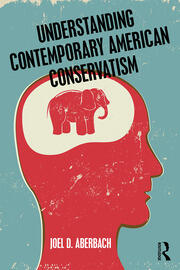
245 10|aUnderstanding contemporary American conservatism /|cJoel D. Aberbach.
264 1|aNew York, N.Y. :|bRoutledge,|c2017.
300 |a1 online resource (xxxi, 348 pages)
505 0 |a1. Contemporary American conservatism as a legacy of the 1960s : an introduction -- 2. Is the United States a conservative nation's? -- 3. Who are the conservatives? -- 4. The size and role of government -- 5. Explaining American conservatism : a tale of 40 years -- 6. How different are political elites and the public? -- 7. What is the meaning of contemporary movements like the Tea party? -- 8. Varieties of conservatism : comparative and domestic perspectives -- 9. Contemporary American conservatism : synopsis, problems, and prospects.
650 0|aConservatism|zUnited States.
651 0|aUnited States|xPolitics and government.
776 08|iPrint version: |z9781138679320|w(DLC) 2016011097
856 40|uhttps://www.taylorfrancis.com/books/9781315563381|zClick here to view.
901 |aTaylor & Francis