LEADER 02967cam a2200313Ii 4500
001 794839
003 TR_AnAIT
005 20260123003942
008 180706s2018 enka ob 001 0deng d
020 |a9781351237192|q(e-book: Mobi)
020 |a9781351237222|q(e-book : PDF)
020 |z9781138082731|q(hardback)
024 7 |a10.4324/9781351237222 |2doi
035 |a(OCoLC)1014011011
040 |aFlBoTFG|cFlBoTFG|erda
041 |aeng
049 |aTürk Tarih Kurumu Kütüphanesi
050 4|aDS481.G3|bG36 2018
082 04|a954.035092|bG195
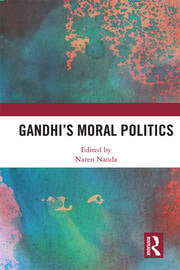
245 00|aGandhi's moral politics /|cedited by Naren Nanda.
264 1|aLondon :|bRoutledge,|c2018.
300 |a1 online resource (xi, 185 pages)
336 |atext|2rdacontent
337 |acomputer|2rdamedia
338 |aonline resource|2rdacarrier
505 00|tchapter 1 Mahatma Gandhi, B.R. Nanda, and the historians -- |tAn introductory essay /|r T.N. Madan -- |tchapter 2 Gandhi and Punjab /|r Rajmohan Gandhi -- |tchapter 3 Gandhi and civil disobedience -- |tThe limits of moral politics /|r Judith M. Brown -- |tchapter 4 Why Gandhi matters /|r Ramachandra Guha -- |tchapter 5 Unity or partition -- |tMahatma Gandhi’s last stand, 1945–1948 /|r Sugata Bose -- |tchapter 6 Princes, subjects and Gandhi -- |tAlternatives to citizenship at the end of empire /|r Joya Chatterji -- |tchapter 7 Gandhi, customs and excise and the democracy of objects 1 /|r Isabel Hofmeyr.
520 |a"This volume explores the scope and limits of Mahatma Gandhi's moral politics and its implications for Indian and other freedom movements. It presents a set of enlightening essays based on lectures delivered in memory of the eminent historian B. R. Nanda along with a new introductory essay.With contributions by leading historians and Gandhi scholars, the book provides new perspectives on the limits of Gandhi's moral reasoning, his role in the choice of destination by Indian Muslim refugees, his waning influence over political events, and his predicament amid the violence and turmoil in the years immediately preceding partition. The work brings together wide-ranging insights on Gandhi and revisits his religious views, which were the foundation of his morality in politics; his experience of civil disobedience and its nature, deployment and limits; Satyagraha and non-violence; and his struggle for civil rights. The volume also examines how Gandhi's South African phase contributed to his later ideas on private property and self-sacrifice. This book will be of immense interest to researchers and scholars of modern Indian history, Gandhi studies, political science, peace and conflict studies, South Asian studies; to researchers and scholars of media and journalism; and to the informed general reader."--Provided by publisher.
600 10|aGandhi,|cMahatma,|d1869-1948.
650 0|aNonviolence.
650 0|aPassive resistance.
700 1 |aNanda, Naren,|eeditor.
776 08|iPrint version: |z9781138082731
856 40|uhttps://www.taylorfrancis.com/books/9781351237222|zClick here to view.
901 |aTaylor & Francis