

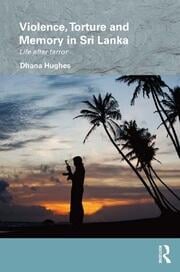
Violence, torture, and memory in Sri Lanka : life after terror / Dhana Hughes.
Erişim Adresi
ISBN
9780203771464 (e-book : PDF)
9781135038151 (e-book: PDF)
9781135038137 (e-book: Mobi)
9781135038144 (e-book: ePub)
9780415532105 (hardback)
9781138575493 (paperback)
9781135038151 (e-book: PDF)
9781135038137 (e-book: Mobi)
9781135038144 (e-book: ePub)
9780415532105 (hardback)
9781138575493 (paperback)
Dil Kodu
İngilizce
Yazar
Yayın Bilgisi
Abingdon, Oxon : Routledge, 2013.
Fiziksel Niteleme
1 online resource (xiv, 189 pages)
Dizi
Routledge/Edinburgh South Asian studies series
İçindekiler Notu
1. Introduction : life after terror -- 2. The violence of youth -- 3. 'Opportunistic' violence and the impossibility of intimacy -- 4. Talking about torture : stories of torture survivors -- 5. Talking about torture : stories of former counter-insurgency officers -- 6. Possibilities of intimacy in times of terror -- 7. Recreating life after terror and the mundane -- 8. Buddhism and reformulating life after terror.
Özet, vb.
"Drawing on original ethnographic field-research conducted primarily with former guerrilla insurgents in southern and central Sri Lanka, this book analyses the memories and narratives of people who have perpetrated political violence. It explores how violence is negotiated and lived with in the aftermath, and its implications for the self and social relationships from the perspectives of those who have inflicted it.The book sheds ethnographic light on a largely overlooked and little-understood conflict that took place within the majority Sinhala community in the late 1980s, known locally as the Terror (Bheeshanaya). It illuminates the ways in which the ethical charge carried by violence seeps into the fabric of life in the aftermath, and discusses that for those who have perpetrated violence, the mediation of its memory is ethically tendentious and steeped in the moral, carrying important implications for notions of the self and for the negotiation of sociality in the present. Providing an important understanding of the motivations, meanings, and consequences of violence, the book is of interest to students and scholars of South Asia, Political Science, Trauma Studies and War Studies"-- Provided by publisher.
"Drawing on original ethnographic field-research conducted primarily with former guerrilla insurgents in southern and central Sri Lanka, this book analyses the memories and narratives of people who have perpetrated political violence. It explores how violence is negotiated and lived with in the aftermath, and its implications for the self and social relationships from the perspectives of those who have inflicted it. The book sheds ethnographic light on a largely overlooked and little-understood conflict that took place within the majority Sinhala community in the late 1980s, known locally as the Terror (Bheeshanaya). It illuminates the ways in which the ethical charge carried by violence seeps into the fabric of life in the aftermath, and discusses that for those who have perpetrated violence, the mediation of its memory is ethically tendentious and steeped in the moral, carrying important implications for notions of the self and for the negotiation of sociality in the present. Providing an important understanding of the motivations, meanings, and consequences of violence, the book is of interest to students and scholars of South Asia, Political Science, Trauma Studies and War Studies"-- Provided by publisher.
"Drawing on original ethnographic field-research conducted primarily with former guerrilla insurgents in southern and central Sri Lanka, this book analyses the memories and narratives of people who have perpetrated political violence. It explores how violence is negotiated and lived with in the aftermath, and its implications for the self and social relationships from the perspectives of those who have inflicted it. The book sheds ethnographic light on a largely overlooked and little-understood conflict that took place within the majority Sinhala community in the late 1980s, known locally as the Terror (Bheeshanaya). It illuminates the ways in which the ethical charge carried by violence seeps into the fabric of life in the aftermath, and discusses that for those who have perpetrated violence, the mediation of its memory is ethically tendentious and steeped in the moral, carrying important implications for notions of the self and for the negotiation of sociality in the present. Providing an important understanding of the motivations, meanings, and consequences of violence, the book is of interest to students and scholars of South Asia, Political Science, Trauma Studies and War Studies"-- Provided by publisher.
Konu
Janata Vimukti Peramuna __ History.
Political violence __ Sri Lanka __ Case studies.
Guerrilla warfare __ Sri Lanka __ Case studies.
Terrorism __ Social aspects __ Sri Lanka __ Case studies.
Political violence __ Sri Lanka __ Case studies.
Guerrilla warfare __ Sri Lanka __ Case studies.
Terrorism __ Social aspects __ Sri Lanka __ Case studies.
Veritabanı
Eseri Alıntıla
Referansları kullanmadan önce gözden geçirmeniz ve varsa gerekli düzeltmeleri yapmanız önerilir.
Dijital Kaynak
MARC Görünümü
LEADER 04234cam a2200361Ii 4500
001 794907
003 TR_AnAIT
005 20260123004040
008 180706s2013 enk ob 001 0 eng d
020 |a9780203771464|q(e-book : PDF)
020 |a9781135038151|q(e-book: PDF)
020 |a9781135038137|q(e-book: Mobi)
020 |a9781135038144|q(e-book: ePub)
020 |z9780415532105|q(hardback)
020 |z9781138575493|q(paperback)
024 7 |a10.4324/9780203771464 |2doi
035 |a(OCoLC)855365017
041 |aeng
043 |aa-ce---
049 |aTürk Tarih Kurumu Kütüphanesi
050 4|aHN670.8.Z9|bV54 2013
082 04|a355.0218095493|bH893
100 1 |aHughes, Dhana.,|eauthor.
245 10|aViolence, torture, and memory in Sri Lanka :|blife after terror /|cDhana Hughes.
264 1|aAbingdon, Oxon :|bRoutledge,|c2013.
300 |a1 online resource (xiv, 189 pages)
490 1 |aRoutledge/Edinburgh South Asian studies series
505 0 |a1. Introduction : life after terror -- 2. The violence of youth -- 3. 'Opportunistic' violence and the impossibility of intimacy -- 4. Talking about torture : stories of torture survivors -- 5. Talking about torture : stories of former counter-insurgency officers -- 6. Possibilities of intimacy in times of terror -- 7. Recreating life after terror and the mundane -- 8. Buddhism and reformulating life after terror.
520 |a"Drawing on original ethnographic field-research conducted primarily with former guerrilla insurgents in southern and central Sri Lanka, this book analyses the memories and narratives of people who have perpetrated political violence. It explores how violence is negotiated and lived with in the aftermath, and its implications for the self and social relationships from the perspectives of those who have inflicted it.The book sheds ethnographic light on a largely overlooked and little-understood conflict that took place within the majority Sinhala community in the late 1980s, known locally as the Terror (Bheeshanaya). It illuminates the ways in which the ethical charge carried by violence seeps into the fabric of life in the aftermath, and discusses that for those who have perpetrated violence, the mediation of its memory is ethically tendentious and steeped in the moral, carrying important implications for notions of the self and for the negotiation of sociality in the present. Providing an important understanding of the motivations, meanings, and consequences of violence, the book is of interest to students and scholars of South Asia, Political Science, Trauma Studies and War Studies"--|cProvided by publisher.
520 |a"Drawing on original ethnographic field-research conducted primarily with former guerrilla insurgents in southern and central Sri Lanka, this book analyses the memories and narratives of people who have perpetrated political violence. It explores how violence is negotiated and lived with in the aftermath, and its implications for the self and social relationships from the perspectives of those who have inflicted it. The book sheds ethnographic light on a largely overlooked and little-understood conflict that took place within the majority Sinhala community in the late 1980s, known locally as the Terror (Bheeshanaya). It illuminates the ways in which the ethical charge carried by violence seeps into the fabric of life in the aftermath, and discusses that for those who have perpetrated violence, the mediation of its memory is ethically tendentious and steeped in the moral, carrying important implications for notions of the self and for the negotiation of sociality in the present. Providing an important understanding of the motivations, meanings, and consequences of violence, the book is of interest to students and scholars of South Asia, Political Science, Trauma Studies and War Studies"--|cProvided by publisher.
610 20|aJanata Vimukti Peramuna|xHistory.
650 0|aPolitical violence|zSri Lanka|vCase studies.
650 0|aGuerrilla warfare|zSri Lanka|vCase studies.
650 0|aTerrorism|xSocial aspects|zSri Lanka|vCase studies.
776 08|iPrint version: |z9780415532105|w(DLC) 2012049413
830 0|aRoutledge/Edinburgh South Asian studies series.
856 40|uhttps://www.taylorfrancis.com/books/9781135038151|zClick here to view.
901 |aTaylor & Francis
001 794907
003 TR_AnAIT
005 20260123004040
008 180706s2013 enk ob 001 0 eng d
020 |a9780203771464|q(e-book : PDF)
020 |a9781135038151|q(e-book: PDF)
020 |a9781135038137|q(e-book: Mobi)
020 |a9781135038144|q(e-book: ePub)
020 |z9780415532105|q(hardback)
020 |z9781138575493|q(paperback)
024 7 |a10.4324/9780203771464 |2doi
035 |a(OCoLC)855365017
041 |aeng
043 |aa-ce---
049 |aTürk Tarih Kurumu Kütüphanesi
050 4|aHN670.8.Z9|bV54 2013
082 04|a355.0218095493|bH893
100 1 |aHughes, Dhana.,|eauthor.
245 10|aViolence, torture, and memory in Sri Lanka :|blife after terror /|cDhana Hughes.
264 1|aAbingdon, Oxon :|bRoutledge,|c2013.
300 |a1 online resource (xiv, 189 pages)
490 1 |aRoutledge/Edinburgh South Asian studies series
505 0 |a1. Introduction : life after terror -- 2. The violence of youth -- 3. 'Opportunistic' violence and the impossibility of intimacy -- 4. Talking about torture : stories of torture survivors -- 5. Talking about torture : stories of former counter-insurgency officers -- 6. Possibilities of intimacy in times of terror -- 7. Recreating life after terror and the mundane -- 8. Buddhism and reformulating life after terror.
520 |a"Drawing on original ethnographic field-research conducted primarily with former guerrilla insurgents in southern and central Sri Lanka, this book analyses the memories and narratives of people who have perpetrated political violence. It explores how violence is negotiated and lived with in the aftermath, and its implications for the self and social relationships from the perspectives of those who have inflicted it.The book sheds ethnographic light on a largely overlooked and little-understood conflict that took place within the majority Sinhala community in the late 1980s, known locally as the Terror (Bheeshanaya). It illuminates the ways in which the ethical charge carried by violence seeps into the fabric of life in the aftermath, and discusses that for those who have perpetrated violence, the mediation of its memory is ethically tendentious and steeped in the moral, carrying important implications for notions of the self and for the negotiation of sociality in the present. Providing an important understanding of the motivations, meanings, and consequences of violence, the book is of interest to students and scholars of South Asia, Political Science, Trauma Studies and War Studies"--|cProvided by publisher.
520 |a"Drawing on original ethnographic field-research conducted primarily with former guerrilla insurgents in southern and central Sri Lanka, this book analyses the memories and narratives of people who have perpetrated political violence. It explores how violence is negotiated and lived with in the aftermath, and its implications for the self and social relationships from the perspectives of those who have inflicted it. The book sheds ethnographic light on a largely overlooked and little-understood conflict that took place within the majority Sinhala community in the late 1980s, known locally as the Terror (Bheeshanaya). It illuminates the ways in which the ethical charge carried by violence seeps into the fabric of life in the aftermath, and discusses that for those who have perpetrated violence, the mediation of its memory is ethically tendentious and steeped in the moral, carrying important implications for notions of the self and for the negotiation of sociality in the present. Providing an important understanding of the motivations, meanings, and consequences of violence, the book is of interest to students and scholars of South Asia, Political Science, Trauma Studies and War Studies"--|cProvided by publisher.
610 20|aJanata Vimukti Peramuna|xHistory.
650 0|aPolitical violence|zSri Lanka|vCase studies.
650 0|aGuerrilla warfare|zSri Lanka|vCase studies.
650 0|aTerrorism|xSocial aspects|zSri Lanka|vCase studies.
776 08|iPrint version: |z9780415532105|w(DLC) 2012049413
830 0|aRoutledge/Edinburgh South Asian studies series.
856 40|uhttps://www.taylorfrancis.com/books/9781135038151|zClick here to view.
901 |aTaylor & Francis
Materyaller
Depodan talep edilen materyal sadece kütüphane içerisinde kullanılmaktadır.
Materyal dışarıya ödünç verilmemektedir.
Materyal dışarıya ödünç verilmemektedir.
