

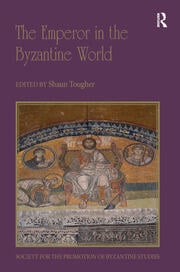
The emperor in the Byzantine world : papers from the 47th Spring Symposium of Byzantine studies / edited by Shaun Tougher.
ISBN
9780429060984 (electronic bk.)
042906098X (electronic bk.)
9780429592409 (electronic bk. : PDF)
042959240X (electronic bk. : PDF)
9780429588525 (electronic bk. : Mobipocket)
0429588526 (electronic bk. : Mobipocket)
9780429590467 (electronic bk. : EPUB)
0429590466 (electronic bk. : EPUB)
9781138218680
1138218685
042906098X (electronic bk.)
9780429592409 (electronic bk. : PDF)
042959240X (electronic bk. : PDF)
9780429588525 (electronic bk. : Mobipocket)
0429588526 (electronic bk. : Mobipocket)
9780429590467 (electronic bk. : EPUB)
0429590466 (electronic bk. : EPUB)
9781138218680
1138218685
Dil Kodu
İngilizce
Yayın Bilgisi
London : Routledge, 2019.
Fiziksel Niteleme
1 online resource (1 volume) : illustrations (black and white).
Dizi
Publications of the Society for the Promotion of Byzantine Studies
İçindekiler Notu
Cover; Half Title; Series Page; Title Page; Copyright Page; Dedication; Table of Contents; List of figures; Foreword; List of contributors; List of abbreviations; Note on spelling of names; Introduction; Notes; References; PART I: Dynasty: Imperial families; Chapter 1: Family, dynasty, and the construction of legitimacy from Augustus to the Theodosians; Introduction: The protest of Dagalaifus; Dynasty, office, and succession from Augustus to the Severans; Crises and restorations: Towards late-antique dynasticism; Conclusion: Dynasticism and its discontents; Notes; References
Chapter 2: The shifting importance of dynasty in Heraclian ideologyThe imperial college; Imperial names; The imperial image; Conclusions; Notes; References; Chapter 3: Revisiting the bachelorhood of Basil II; The state of the question of Basil's bachelorhood; Symeon's evidence; The weight of homoeroticism in medieval Byzantium; Basil as Symeon's referent; Conclusion; Notes; References; Chapter 4: Byzantine emperors and sultans of Rūm: Sharing power?; Notes; References; PART II: The emperor's men: Court and empire; Chapter 5: Celibacy and survival in court politics in the fifth century AD
IntroductionThe Theodosian anti-alliance policy; The Anthemii; The Ardaburii; Conclusion; Notes; References; Chapter 6: The emperor's 'significant others': Alexios I Komnenos and his 'Pivot to the West'; Notes; Bibliography; Chapter 7: Who was who at the court of Constantine XI, 1449-1453; Notes; References; PART III: The emperor as ruler: Duties and ideals; Chapter 8: 'Law is king of all things'? The emperor and the law; Introduction; The emperor and the law; The law, the emperor and the lawyers; Notes; References; Chapter 9: The emperor at war: Duties and ideals; Introduction
Duties and idealsConclusion; Notes; References; PART IV: Imperial literature: Emperor as subject and author; Chapter 10: Imperial panegyric: Hortatory or deliberative oratory?; Notes; References; Chapter 11: The iconoclast saint: Emperor Theophilos in Byzantine hagiography; Introduction: The iconophile restoration of the iconoclast leaders; The literary absolution of the last iconoclast emperor; The canonisation of Theophilos: His role in Byzantine hagiography; Textual transmission as a strengthening resource for theruling dynasty; Notes; References
Chapter 12: Splendour, vigour, and legitimacy: The prefaces of the Book of Ceremonies (De cerimoniis) and Byzantine imperial theoryIntroduction; The De cerimoniis and imperial theory; The narrative of the 'Macedonian Restoration'; Conclusion: The restoration narrative and other experiments in imperial image-making; Notes; References; Chapter 13: Ideological and political contestations in post-1204 Byzantium: The orations of Niketas Choniates and the imperial court of Nicaea; Niketas Choniates' orations; The timing of Choniates' orations; Nicaean policy and Choniates' role in the 1210s
Chapter 2: The shifting importance of dynasty in Heraclian ideologyThe imperial college; Imperial names; The imperial image; Conclusions; Notes; References; Chapter 3: Revisiting the bachelorhood of Basil II; The state of the question of Basil's bachelorhood; Symeon's evidence; The weight of homoeroticism in medieval Byzantium; Basil as Symeon's referent; Conclusion; Notes; References; Chapter 4: Byzantine emperors and sultans of Rūm: Sharing power?; Notes; References; PART II: The emperor's men: Court and empire; Chapter 5: Celibacy and survival in court politics in the fifth century AD
IntroductionThe Theodosian anti-alliance policy; The Anthemii; The Ardaburii; Conclusion; Notes; References; Chapter 6: The emperor's 'significant others': Alexios I Komnenos and his 'Pivot to the West'; Notes; Bibliography; Chapter 7: Who was who at the court of Constantine XI, 1449-1453; Notes; References; PART III: The emperor as ruler: Duties and ideals; Chapter 8: 'Law is king of all things'? The emperor and the law; Introduction; The emperor and the law; The law, the emperor and the lawyers; Notes; References; Chapter 9: The emperor at war: Duties and ideals; Introduction
Duties and idealsConclusion; Notes; References; PART IV: Imperial literature: Emperor as subject and author; Chapter 10: Imperial panegyric: Hortatory or deliberative oratory?; Notes; References; Chapter 11: The iconoclast saint: Emperor Theophilos in Byzantine hagiography; Introduction: The iconophile restoration of the iconoclast leaders; The literary absolution of the last iconoclast emperor; The canonisation of Theophilos: His role in Byzantine hagiography; Textual transmission as a strengthening resource for theruling dynasty; Notes; References
Chapter 12: Splendour, vigour, and legitimacy: The prefaces of the Book of Ceremonies (De cerimoniis) and Byzantine imperial theoryIntroduction; The De cerimoniis and imperial theory; The narrative of the 'Macedonian Restoration'; Conclusion: The restoration narrative and other experiments in imperial image-making; Notes; References; Chapter 13: Ideological and political contestations in post-1204 Byzantium: The orations of Niketas Choniates and the imperial court of Nicaea; Niketas Choniates' orations; The timing of Choniates' orations; Nicaean policy and Choniates' role in the 1210s
Özet, vb.
The subject of the emperor in the Byzantine world may seem likely to be a well-studied topic but there is no book devoted to the emperor in general covering the span of the Byzantine empire. Of course there are studies on individual emperors, dynasties and aspects of the imperial office/role, but there remains no equivalent to Fergus Millar's The Emperor in the Roman World (from which the proposed volume takes inspiration for its title and scope). The oddity of a lack of a general study of the Byzantine emperor is compounded by the fact that a series of books devoted to Byzantine empresses was published in the late twentieth and early twenty-first centuries. Thus it is appropriate to turn the spotlight on the emperor. Themes covered by the contributions include: questions of dynasty and imperial families; the imperial court and the emperor's men; imperial duties and the emperor as ruler; imperial literature (the emperor as subject and author); and the material emperor, including imperial images and spaces. The volume fills a need in the field and the market, and also brings new and cutting-edge approaches to the study of the Byzantine emperor. Although the volume cannot hope to be a comprehensive treatment of the emperor in the Byzantine world it aims to cover a broad chronological and thematic span and to play a vital part in setting the agenda for future work. The subject of the Byzantine emperor has also an obvious relevance for historians working on rulership in other cultures and periods.
Konu
Emperors __ Byzantine Empire __ Congresses.
HISTORY / Europe / General __ bisacsh
HISTORY / General __ bisacsh
HISTORY / Ancient / General __ bisacsh
HISTORY / Europe / General __ bisacsh
HISTORY / General __ bisacsh
HISTORY / Ancient / General __ bisacsh
Diğer Yazarlar
Veritabanı
Eseri Alıntıla
Referansları kullanmadan önce gözden geçirmeniz ve varsa gerekli düzeltmeleri yapmanız önerilir.
Dijital Kaynak
MARC Görünümü
LEADER 06577cam a2200589Ii 4500
001 794951
003 TR_AnAIT
005 20260123004127
006 m o d
007 cr cnu---unuuu
008 190318s2019 enka ob 101 0 eng d
020 |a9780429060984|q(electronic bk.)
020 |a042906098X|q(electronic bk.)
020 |a9780429592409|q(electronic bk. : PDF)
020 |a042959240X|q(electronic bk. : PDF)
020 |a9780429588525|q(electronic bk. : Mobipocket)
020 |a0429588526|q(electronic bk. : Mobipocket)
020 |a9780429590467|q(electronic bk. : EPUB)
020 |a0429590466|q(electronic bk. : EPUB)
020 |z9781138218680
020 |z1138218685
035 |a(OCoLC)1090060863
035 |a(OCoLC-P)1090060863
040 |aOCoLC-P|beng|erda|epn|cOCoLC-P
041 |aeng
049 |aTürk Tarih Kurumu Kütüphanesi
050 4|aDF521
072 7|aHIS|x010000|2bisacsh
072 7|aHIS|x000000|2bisacsh
072 7|aHIS|x002000|2bisacsh
072 7|aHD|2bicssc
082 04|a949.5020922|223
111 2 |aSpring Symposium of Byzantine Studies|n(47th),|jcreator.
245 14|aThe emperor in the Byzantine world :|bpapers from the 47th Spring Symposium of Byzantine studies /|cedited by Shaun Tougher.
264 1|aLondon :|bRoutledge,|c2019.
300 |a1 online resource (1 volume) :|billustrations (black and white).
336 |atext|btxt|2rdacontent
337 |acomputer|bc|2rdamedia
338 |aonline resource|bcr|2rdacarrier
490 1 |aPublications of the Society for the Promotion of Byzantine Studies
505 0 |aCover; Half Title; Series Page; Title Page; Copyright Page; Dedication; Table of Contents; List of figures; Foreword; List of contributors; List of abbreviations; Note on spelling of names; Introduction; Notes; References; PART I: Dynasty: Imperial families; Chapter 1: Family, dynasty, and the construction of legitimacy from Augustus to the Theodosians; Introduction: The protest of Dagalaifus; Dynasty, office, and succession from Augustus to the Severans; Crises and restorations: Towards late-antique dynasticism; Conclusion: Dynasticism and its discontents; Notes; References
505 8 |aChapter 2: The shifting importance of dynasty in Heraclian ideologyThe imperial college; Imperial names; The imperial image; Conclusions; Notes; References; Chapter 3: Revisiting the bachelorhood of Basil II; The state of the question of Basil's bachelorhood; Symeon's evidence; The weight of homoeroticism in medieval Byzantium; Basil as Symeon's referent; Conclusion; Notes; References; Chapter 4: Byzantine emperors and sultans of Rūm: Sharing power?; Notes; References; PART II: The emperor's men: Court and empire; Chapter 5: Celibacy and survival in court politics in the fifth century AD
505 8 |aIntroductionThe Theodosian anti-alliance policy; The Anthemii; The Ardaburii; Conclusion; Notes; References; Chapter 6: The emperor's 'significant others': Alexios I Komnenos and his 'Pivot to the West'; Notes; Bibliography; Chapter 7: Who was who at the court of Constantine XI, 1449-1453; Notes; References; PART III: The emperor as ruler: Duties and ideals; Chapter 8: 'Law is king of all things'? The emperor and the law; Introduction; The emperor and the law; The law, the emperor and the lawyers; Notes; References; Chapter 9: The emperor at war: Duties and ideals; Introduction
505 8 |aDuties and idealsConclusion; Notes; References; PART IV: Imperial literature: Emperor as subject and author; Chapter 10: Imperial panegyric: Hortatory or deliberative oratory?; Notes; References; Chapter 11: The iconoclast saint: Emperor Theophilos in Byzantine hagiography; Introduction: The iconophile restoration of the iconoclast leaders; The literary absolution of the last iconoclast emperor; The canonisation of Theophilos: His role in Byzantine hagiography; Textual transmission as a strengthening resource for theruling dynasty; Notes; References
505 8 |aChapter 12: Splendour, vigour, and legitimacy: The prefaces of the Book of Ceremonies (De cerimoniis) and Byzantine imperial theoryIntroduction; The De cerimoniis and imperial theory; The narrative of the 'Macedonian Restoration'; Conclusion: The restoration narrative and other experiments in imperial image-making; Notes; References; Chapter 13: Ideological and political contestations in post-1204 Byzantium: The orations of Niketas Choniates and the imperial court of Nicaea; Niketas Choniates' orations; The timing of Choniates' orations; Nicaean policy and Choniates' role in the 1210s
520 |aThe subject of the emperor in the Byzantine world may seem likely to be a well-studied topic but there is no book devoted to the emperor in general covering the span of the Byzantine empire. Of course there are studies on individual emperors, dynasties and aspects of the imperial office/role, but there remains no equivalent to Fergus Millar's The Emperor in the Roman World (from which the proposed volume takes inspiration for its title and scope). The oddity of a lack of a general study of the Byzantine emperor is compounded by the fact that a series of books devoted to Byzantine empresses was published in the late twentieth and early twenty-first centuries. Thus it is appropriate to turn the spotlight on the emperor. Themes covered by the contributions include: questions of dynasty and imperial families; the imperial court and the emperor's men; imperial duties and the emperor as ruler; imperial literature (the emperor as subject and author); and the material emperor, including imperial images and spaces. The volume fills a need in the field and the market, and also brings new and cutting-edge approaches to the study of the Byzantine emperor. Although the volume cannot hope to be a comprehensive treatment of the emperor in the Byzantine world it aims to cover a broad chronological and thematic span and to play a vital part in setting the agenda for future work. The subject of the Byzantine emperor has also an obvious relevance for historians working on rulership in other cultures and periods.
588 |aOCLC-licensed vendor bibliographic record.
650 0|aEmperors|zByzantine Empire|vCongresses.
650 7|aHISTORY / Europe / General|2bisacsh
650 7|aHISTORY / General|2bisacsh
650 7|aHISTORY / Ancient / General|2bisacsh
700 1 |aTougher, Shaun,|eeditor.
856 40|3Taylor & Francis|uhttps://www.taylorfrancis.com/books/9780429060984
856 42|3OCLC metadata license agreement|uhttp://www.oclc.org/content/dam/oclc/forms/terms/vbrl-201703.pdf
901 |aTaylor & Francis
001 794951
003 TR_AnAIT
005 20260123004127
006 m o d
007 cr cnu---unuuu
008 190318s2019 enka ob 101 0 eng d
020 |a9780429060984|q(electronic bk.)
020 |a042906098X|q(electronic bk.)
020 |a9780429592409|q(electronic bk. : PDF)
020 |a042959240X|q(electronic bk. : PDF)
020 |a9780429588525|q(electronic bk. : Mobipocket)
020 |a0429588526|q(electronic bk. : Mobipocket)
020 |a9780429590467|q(electronic bk. : EPUB)
020 |a0429590466|q(electronic bk. : EPUB)
020 |z9781138218680
020 |z1138218685
035 |a(OCoLC)1090060863
035 |a(OCoLC-P)1090060863
040 |aOCoLC-P|beng|erda|epn|cOCoLC-P
041 |aeng
049 |aTürk Tarih Kurumu Kütüphanesi
050 4|aDF521
072 7|aHIS|x010000|2bisacsh
072 7|aHIS|x000000|2bisacsh
072 7|aHIS|x002000|2bisacsh
072 7|aHD|2bicssc
082 04|a949.5020922|223
111 2 |aSpring Symposium of Byzantine Studies|n(47th),|jcreator.
245 14|aThe emperor in the Byzantine world :|bpapers from the 47th Spring Symposium of Byzantine studies /|cedited by Shaun Tougher.
264 1|aLondon :|bRoutledge,|c2019.
300 |a1 online resource (1 volume) :|billustrations (black and white).
336 |atext|btxt|2rdacontent
337 |acomputer|bc|2rdamedia
338 |aonline resource|bcr|2rdacarrier
490 1 |aPublications of the Society for the Promotion of Byzantine Studies
505 0 |aCover; Half Title; Series Page; Title Page; Copyright Page; Dedication; Table of Contents; List of figures; Foreword; List of contributors; List of abbreviations; Note on spelling of names; Introduction; Notes; References; PART I: Dynasty: Imperial families; Chapter 1: Family, dynasty, and the construction of legitimacy from Augustus to the Theodosians; Introduction: The protest of Dagalaifus; Dynasty, office, and succession from Augustus to the Severans; Crises and restorations: Towards late-antique dynasticism; Conclusion: Dynasticism and its discontents; Notes; References
505 8 |aChapter 2: The shifting importance of dynasty in Heraclian ideologyThe imperial college; Imperial names; The imperial image; Conclusions; Notes; References; Chapter 3: Revisiting the bachelorhood of Basil II; The state of the question of Basil's bachelorhood; Symeon's evidence; The weight of homoeroticism in medieval Byzantium; Basil as Symeon's referent; Conclusion; Notes; References; Chapter 4: Byzantine emperors and sultans of Rūm: Sharing power?; Notes; References; PART II: The emperor's men: Court and empire; Chapter 5: Celibacy and survival in court politics in the fifth century AD
505 8 |aIntroductionThe Theodosian anti-alliance policy; The Anthemii; The Ardaburii; Conclusion; Notes; References; Chapter 6: The emperor's 'significant others': Alexios I Komnenos and his 'Pivot to the West'; Notes; Bibliography; Chapter 7: Who was who at the court of Constantine XI, 1449-1453; Notes; References; PART III: The emperor as ruler: Duties and ideals; Chapter 8: 'Law is king of all things'? The emperor and the law; Introduction; The emperor and the law; The law, the emperor and the lawyers; Notes; References; Chapter 9: The emperor at war: Duties and ideals; Introduction
505 8 |aDuties and idealsConclusion; Notes; References; PART IV: Imperial literature: Emperor as subject and author; Chapter 10: Imperial panegyric: Hortatory or deliberative oratory?; Notes; References; Chapter 11: The iconoclast saint: Emperor Theophilos in Byzantine hagiography; Introduction: The iconophile restoration of the iconoclast leaders; The literary absolution of the last iconoclast emperor; The canonisation of Theophilos: His role in Byzantine hagiography; Textual transmission as a strengthening resource for theruling dynasty; Notes; References
505 8 |aChapter 12: Splendour, vigour, and legitimacy: The prefaces of the Book of Ceremonies (De cerimoniis) and Byzantine imperial theoryIntroduction; The De cerimoniis and imperial theory; The narrative of the 'Macedonian Restoration'; Conclusion: The restoration narrative and other experiments in imperial image-making; Notes; References; Chapter 13: Ideological and political contestations in post-1204 Byzantium: The orations of Niketas Choniates and the imperial court of Nicaea; Niketas Choniates' orations; The timing of Choniates' orations; Nicaean policy and Choniates' role in the 1210s
520 |aThe subject of the emperor in the Byzantine world may seem likely to be a well-studied topic but there is no book devoted to the emperor in general covering the span of the Byzantine empire. Of course there are studies on individual emperors, dynasties and aspects of the imperial office/role, but there remains no equivalent to Fergus Millar's The Emperor in the Roman World (from which the proposed volume takes inspiration for its title and scope). The oddity of a lack of a general study of the Byzantine emperor is compounded by the fact that a series of books devoted to Byzantine empresses was published in the late twentieth and early twenty-first centuries. Thus it is appropriate to turn the spotlight on the emperor. Themes covered by the contributions include: questions of dynasty and imperial families; the imperial court and the emperor's men; imperial duties and the emperor as ruler; imperial literature (the emperor as subject and author); and the material emperor, including imperial images and spaces. The volume fills a need in the field and the market, and also brings new and cutting-edge approaches to the study of the Byzantine emperor. Although the volume cannot hope to be a comprehensive treatment of the emperor in the Byzantine world it aims to cover a broad chronological and thematic span and to play a vital part in setting the agenda for future work. The subject of the Byzantine emperor has also an obvious relevance for historians working on rulership in other cultures and periods.
588 |aOCLC-licensed vendor bibliographic record.
650 0|aEmperors|zByzantine Empire|vCongresses.
650 7|aHISTORY / Europe / General|2bisacsh
650 7|aHISTORY / General|2bisacsh
650 7|aHISTORY / Ancient / General|2bisacsh
700 1 |aTougher, Shaun,|eeditor.
856 40|3Taylor & Francis|uhttps://www.taylorfrancis.com/books/9780429060984
856 42|3OCLC metadata license agreement|uhttp://www.oclc.org/content/dam/oclc/forms/terms/vbrl-201703.pdf
901 |aTaylor & Francis
Materyaller
Depodan talep edilen materyal sadece kütüphane içerisinde kullanılmaktadır.
Materyal dışarıya ödünç verilmemektedir.
Materyal dışarıya ödünç verilmemektedir.
