

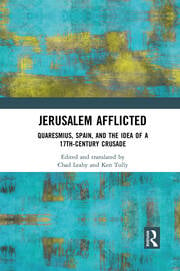
Jerusalem Afflicted [electronic resource] : Quaresmius, Spain, and the Idea of a 17th-Century Crusade.
ISBN
9781000680669
1000680665
9780429290985 (electronic bk.)
0429290985 (electronic bk.)
9781000681208 (electronic bk. : EPUB)
1000681203 (electronic bk. : EPUB)
9781000680935 (electronic bk. : Mobipocket)
1000680932 (electronic bk. : Mobipocket)
1000680665
9780429290985 (electronic bk.)
0429290985 (electronic bk.)
9781000681208 (electronic bk. : EPUB)
1000681203 (electronic bk. : EPUB)
9781000680935 (electronic bk. : Mobipocket)
1000680932 (electronic bk. : Mobipocket)
Dil Kodu
İngilizce
Fiziksel Niteleme
1 online resource (211 p.)
Genel Not
Description based upon print version of record.
İçindekiler Notu
Cover; Half Title; Frontispiece; Title; Copyright Page; Dedication; Contents; List of Figures; Preface; Part 1: Introduction; 1: Quaresmius, a Don Quixote?; Notes; References; 2: The idea of crusade in 17th-century Spain; Jerusalemite kingship; The Franciscan Custody of the Holy Land and the Spanish crown; La bula de la santa cruzada; Reconquest and crusade; Prophecies and eschatology; Crusade narratives; Jerusalem Afflicted in context; Notes; References; 3: A rope of three strands; Tapestry of tradition: The rhetoric of textual authority; Motivational intent: The rhetoric of affect
Response to opposition: The rhetoric of Jerusalem's guiltAn overview of the arguments; Notes; References; 4: A fire glowing in my bones; Of dreams and visions; Heaven and hell; The feminine voice; Thy will be done; The evolution of evangelism; Thy kingdom come; Diversion from duty; Notes; References; 5: The preacher in Palestine; Notes; References; Jerusalem Afflicted as sermon; 6: A letter lost and found; Seventeenth century reception; Extant copies; Codex characteristics; Conclusions; Notes; References; 7: Words awakened; A brief anthology of 17th-century crusading sources
Part 2: Jerusalem AfflictedNotes; References; Part 3: Anthology of 17th-century Spanish crusading sources; Document 1; Document 2; Documents 3a and 3b; Document 4; Document 5; Notes; References; Index
Response to opposition: The rhetoric of Jerusalem's guiltAn overview of the arguments; Notes; References; 4: A fire glowing in my bones; Of dreams and visions; Heaven and hell; The feminine voice; Thy will be done; The evolution of evangelism; Thy kingdom come; Diversion from duty; Notes; References; 5: The preacher in Palestine; Notes; References; Jerusalem Afflicted as sermon; 6: A letter lost and found; Seventeenth century reception; Extant copies; Codex characteristics; Conclusions; Notes; References; 7: Words awakened; A brief anthology of 17th-century crusading sources
Part 2: Jerusalem AfflictedNotes; References; Part 3: Anthology of 17th-century Spanish crusading sources; Document 1; Document 2; Documents 3a and 3b; Document 4; Document 5; Notes; References; Index
Özet, vb.
On Good Friday, 1626, Franciscus Quaresmius delivered a sermon in the Church of the Holy Sepulcher in Jerusalem calling on King Philip IV of Spain to undertake a crusade to liberate' the Holy Land. Jerusalem Afflicted: Quaresmius, Spain, and the Idea of a 17th-century Crusade introduces readers to this unique call to arms with the first-ever edition of the work since its publication in 1631. Aside from an annotated English translation of the sermon, this book also includes a series of introductory chapters providing historical context and textual commentary, followed by an anthology of Spanish crusading texts that testify to the persistence of the idea of crusade throughout the 17th century. Quaresmius' impassioned and thoroughly reasoned plea is expressed through the voice of Jerusalem herself, personified as a woman in bondage. The friar draws on many of the same rhetorical traditions and theological assumptions that first launched the crusading movement at Clermont in 1095, while also bending those traditions to meet the unique concerns of 17th-century geopolitics in Europe and the Mediterranean. Quaresmius depicts the rescue of the Holy City from Turkish abuse as a just and necessary cause. Perhaps more unexpectedly, he also presents Jerusalem as sovereign Spanish territory, boldly calling on Philip as King of Jerusalem and Patron of the Holy Places to embrace his royal duty and reclaim what is rightly his on behalf of the universal faithful. Quaresmius' early modern call to crusade ultimately helps us rethink the popular assumption that, like the chivalry imagined by Don Quixote, the crusades somehow died along with the middle ages.
Konu
Quaresmio, Francesco, __ 1583-1650 or 1656.
HISTORY / General __ bisacsh
Jerusalem __ In Christianity __ Early works to 1800.
HISTORY / General __ bisacsh
Jerusalem __ In Christianity __ Early works to 1800.
Diğer Yazarlar
Veritabanı
Eseri Alıntıla
Referansları kullanmadan önce gözden geçirmeniz ve varsa gerekli düzeltmeleri yapmanız önerilir.
Dijital Kaynak
MARC Görünümü
LEADER 04672cam a2200469Mu 4500
001 795005
003 TR_AnAIT
005 20260123004232
006 m d
007 cr cnu---unuuu
008 190921s2019 xx o 000 0 eng d
020 |a9781000680669
020 |a1000680665
020 |a9780429290985|q(electronic bk.)
020 |a0429290985|q(electronic bk.)
020 |a9781000681208|q(electronic bk. : EPUB)
020 |a1000681203|q(electronic bk. : EPUB)
020 |a9781000680935|q(electronic bk. : Mobipocket)
020 |a1000680932|q(electronic bk. : Mobipocket)
035 |a(OCoLC)1120696980
035 |a(OCoLC-P)1120696980
040 |aOCoLC-P|beng|cOCoLC-P
041 |aeng
049 |aTürk Tarih Kurumu Kütüphanesi
050 4|aBT93.5
072 7|aHIS|x000000|2bisacsh
072 7|a1D|2bicssc
082 04|a263.042569442|223
245 00|aJerusalem Afflicted|h[electronic resource] :|bQuaresmius, Spain, and the Idea of a 17th-Century Crusade.
260 |aMilton :|bRoutledge,|c2019.
300 |a1 online resource (211 p.)
500 |aDescription based upon print version of record.
505 0 |aCover; Half Title; Frontispiece; Title; Copyright Page; Dedication; Contents; List of Figures; Preface; Part 1: Introduction; 1: Quaresmius, a Don Quixote?; Notes; References; 2: The idea of crusade in 17th-century Spain; Jerusalemite kingship; The Franciscan Custody of the Holy Land and the Spanish crown; La bula de la santa cruzada; Reconquest and crusade; Prophecies and eschatology; Crusade narratives; Jerusalem Afflicted in context; Notes; References; 3: A rope of three strands; Tapestry of tradition: The rhetoric of textual authority; Motivational intent: The rhetoric of affect
505 8 |aResponse to opposition: The rhetoric of Jerusalem's guiltAn overview of the arguments; Notes; References; 4: A fire glowing in my bones; Of dreams and visions; Heaven and hell; The feminine voice; Thy will be done; The evolution of evangelism; Thy kingdom come; Diversion from duty; Notes; References; 5: The preacher in Palestine; Notes; References; Jerusalem Afflicted as sermon; 6: A letter lost and found; Seventeenth century reception; Extant copies; Codex characteristics; Conclusions; Notes; References; 7: Words awakened; A brief anthology of 17th-century crusading sources
505 8 |aPart 2: Jerusalem AfflictedNotes; References; Part 3: Anthology of 17th-century Spanish crusading sources; Document 1; Document 2; Documents 3a and 3b; Document 4; Document 5; Notes; References; Index
520 |aOn Good Friday, 1626, Franciscus Quaresmius delivered a sermon in the Church of the Holy Sepulcher in Jerusalem calling on King Philip IV of Spain to undertake a crusade to liberate' the Holy Land. Jerusalem Afflicted: Quaresmius, Spain, and the Idea of a 17th-century Crusade introduces readers to this unique call to arms with the first-ever edition of the work since its publication in 1631. Aside from an annotated English translation of the sermon, this book also includes a series of introductory chapters providing historical context and textual commentary, followed by an anthology of Spanish crusading texts that testify to the persistence of the idea of crusade throughout the 17th century. Quaresmius' impassioned and thoroughly reasoned plea is expressed through the voice of Jerusalem herself, personified as a woman in bondage. The friar draws on many of the same rhetorical traditions and theological assumptions that first launched the crusading movement at Clermont in 1095, while also bending those traditions to meet the unique concerns of 17th-century geopolitics in Europe and the Mediterranean. Quaresmius depicts the rescue of the Holy City from Turkish abuse as a just and necessary cause. Perhaps more unexpectedly, he also presents Jerusalem as sovereign Spanish territory, boldly calling on Philip as King of Jerusalem and Patron of the Holy Places to embrace his royal duty and reclaim what is rightly his on behalf of the universal faithful. Quaresmius' early modern call to crusade ultimately helps us rethink the popular assumption that, like the chivalry imagined by Don Quixote, the crusades somehow died along with the middle ages.
588 |aOCLC-licensed vendor bibliographic record.
600 10|aQuaresmio, Francesco,|d1583-1650 or 1656.
650 7|aHISTORY / General|2bisacsh
651 0|aJerusalem|xIn Christianity|vEarly works to 1800.
700 1 |aTully, Ken.
700 1 |aLeahy, Chad.
856 40|3Taylor & Francis|uhttps://www.taylorfrancis.com/books/9780429290985
856 42|3OCLC metadata license agreement|uhttp://www.oclc.org/content/dam/oclc/forms/terms/vbrl-201703.pdf
901 |aTaylor & Francis
001 795005
003 TR_AnAIT
005 20260123004232
006 m d
007 cr cnu---unuuu
008 190921s2019 xx o 000 0 eng d
020 |a9781000680669
020 |a1000680665
020 |a9780429290985|q(electronic bk.)
020 |a0429290985|q(electronic bk.)
020 |a9781000681208|q(electronic bk. : EPUB)
020 |a1000681203|q(electronic bk. : EPUB)
020 |a9781000680935|q(electronic bk. : Mobipocket)
020 |a1000680932|q(electronic bk. : Mobipocket)
035 |a(OCoLC)1120696980
035 |a(OCoLC-P)1120696980
040 |aOCoLC-P|beng|cOCoLC-P
041 |aeng
049 |aTürk Tarih Kurumu Kütüphanesi
050 4|aBT93.5
072 7|aHIS|x000000|2bisacsh
072 7|a1D|2bicssc
082 04|a263.042569442|223
245 00|aJerusalem Afflicted|h[electronic resource] :|bQuaresmius, Spain, and the Idea of a 17th-Century Crusade.
260 |aMilton :|bRoutledge,|c2019.
300 |a1 online resource (211 p.)
500 |aDescription based upon print version of record.
505 0 |aCover; Half Title; Frontispiece; Title; Copyright Page; Dedication; Contents; List of Figures; Preface; Part 1: Introduction; 1: Quaresmius, a Don Quixote?; Notes; References; 2: The idea of crusade in 17th-century Spain; Jerusalemite kingship; The Franciscan Custody of the Holy Land and the Spanish crown; La bula de la santa cruzada; Reconquest and crusade; Prophecies and eschatology; Crusade narratives; Jerusalem Afflicted in context; Notes; References; 3: A rope of three strands; Tapestry of tradition: The rhetoric of textual authority; Motivational intent: The rhetoric of affect
505 8 |aResponse to opposition: The rhetoric of Jerusalem's guiltAn overview of the arguments; Notes; References; 4: A fire glowing in my bones; Of dreams and visions; Heaven and hell; The feminine voice; Thy will be done; The evolution of evangelism; Thy kingdom come; Diversion from duty; Notes; References; 5: The preacher in Palestine; Notes; References; Jerusalem Afflicted as sermon; 6: A letter lost and found; Seventeenth century reception; Extant copies; Codex characteristics; Conclusions; Notes; References; 7: Words awakened; A brief anthology of 17th-century crusading sources
505 8 |aPart 2: Jerusalem AfflictedNotes; References; Part 3: Anthology of 17th-century Spanish crusading sources; Document 1; Document 2; Documents 3a and 3b; Document 4; Document 5; Notes; References; Index
520 |aOn Good Friday, 1626, Franciscus Quaresmius delivered a sermon in the Church of the Holy Sepulcher in Jerusalem calling on King Philip IV of Spain to undertake a crusade to liberate' the Holy Land. Jerusalem Afflicted: Quaresmius, Spain, and the Idea of a 17th-century Crusade introduces readers to this unique call to arms with the first-ever edition of the work since its publication in 1631. Aside from an annotated English translation of the sermon, this book also includes a series of introductory chapters providing historical context and textual commentary, followed by an anthology of Spanish crusading texts that testify to the persistence of the idea of crusade throughout the 17th century. Quaresmius' impassioned and thoroughly reasoned plea is expressed through the voice of Jerusalem herself, personified as a woman in bondage. The friar draws on many of the same rhetorical traditions and theological assumptions that first launched the crusading movement at Clermont in 1095, while also bending those traditions to meet the unique concerns of 17th-century geopolitics in Europe and the Mediterranean. Quaresmius depicts the rescue of the Holy City from Turkish abuse as a just and necessary cause. Perhaps more unexpectedly, he also presents Jerusalem as sovereign Spanish territory, boldly calling on Philip as King of Jerusalem and Patron of the Holy Places to embrace his royal duty and reclaim what is rightly his on behalf of the universal faithful. Quaresmius' early modern call to crusade ultimately helps us rethink the popular assumption that, like the chivalry imagined by Don Quixote, the crusades somehow died along with the middle ages.
588 |aOCLC-licensed vendor bibliographic record.
600 10|aQuaresmio, Francesco,|d1583-1650 or 1656.
650 7|aHISTORY / General|2bisacsh
651 0|aJerusalem|xIn Christianity|vEarly works to 1800.
700 1 |aTully, Ken.
700 1 |aLeahy, Chad.
856 40|3Taylor & Francis|uhttps://www.taylorfrancis.com/books/9780429290985
856 42|3OCLC metadata license agreement|uhttp://www.oclc.org/content/dam/oclc/forms/terms/vbrl-201703.pdf
901 |aTaylor & Francis
Materyaller
Depodan talep edilen materyal sadece kütüphane içerisinde kullanılmaktadır.
Materyal dışarıya ödünç verilmemektedir.
Materyal dışarıya ödünç verilmemektedir.
