

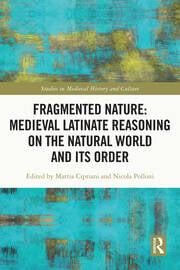
Fragmented nature : medieval Latinate reasoning on the natural world and its order / edited by Mattia Cipriani and Nicola Polloni.
ISBN
9781003094791 electronic book
1003094791 electronic book
9781000599954 electronic book
1000599957 electronic book
9781000599978 electronic book
1000599973 electronic book
9780367557034 hardcover
9780367557041 paperback
1003094791 electronic book
9781000599954 electronic book
1000599957 electronic book
9781000599978 electronic book
1000599973 electronic book
9780367557034 hardcover
9780367557041 paperback
Dil Kodu
İngilizce
Yayın Bilgisi
Abingdon, Oxon ; New York, NY : Routledge, 2022.
©2022
©2022
Fiziksel Niteleme
1 online resource (vi, 219 pages) : illustrations.
Dizi
Studies in medieval history and culture
İçindekiler Notu
Zoological inconsistency and confusion in the Physiologus latinus / Emmanuelle Kuhry -- Gerald of Wales and Saint Brigid's falcon : the chaste beast in medieval and early modern Irish natural history / Bernd Roling -- Medieval universes in disorder : primeval chaos and its authoritative coordinates / Nicola Polloni -- Animals under an encyclopedic lens : zoological misinterpretation in Thomas of Cantimpré's Liber de natura rerum / Mattia Cipriani -- Learning from bees, wasps, and ants : communal norms, social practices, and contingencies of nature in medieval insect allegories / Julia Burkhardt -- Defining and picturing elements and humours in medieval medicine : text and images in Bartholomew the Englishman's De proprietatibus rerum / Grégory Clesse -- Why do animals have parts? Organs and organisation in thirteenth- and fourteenth-century Latin commentaries on Aristotle's De animalibus / Dominic Dold -- La reproduction imparfaite : les "gusanes" et l'état larvaire des insectes chez Albert le Grand / Isabelle Draelants -- Elixir as means of contrasting with nature in Albert the Great's Alchemy / Athanasios Rinotas -- From prime matter to chaos in Ramon Llull / Carla Compagno.
Özet, vb.
"The Latin Middle Ages were characterised by a vast array of different representations of nature. These conceptualisations of the natural world were developed according to the specific requirements of many different disciplines, with the consequent result of producing a fragmentation of images of nature. Despite this plurality, two main tendencies emerged. On the one hand, the natural world was seen as a reflection of God's perfection, teleologically ordered and structurally harmonious. On the other, it was also considered as a degraded version of the spiritual realm - a world of impeccable ideas, separate substances, and celestial movers. This book focuses on this tension between order and randomness, and idealisation and reality of nature in the Middle Ages. It provides a cutting-edge profile of the doctrinal and semantic richness of the medieval idea of nature, and also illustrates the structural interconnection among learned and scientific disciplines in the medieval period, stressing the fundamental bond linking together science and philosophy, on the one hand, and philosophy and theology, on the other. This book will appeal to scholars and students alike interested in Medieval European History, Theology, Philosophy, and Science"-- Provided by publisher.
Konu
Natural history __ Europe __ History __ To 1500.
Philosophy of nature __ Europe __ History __ To 1500.
Science, Medieval.
HISTORY / General __ bisacsh
Europe __ Intellectual life.
Philosophy of nature __ Europe __ History __ To 1500.
Science, Medieval.
HISTORY / General __ bisacsh
Europe __ Intellectual life.
Diğer Yazarlar
Veritabanı
Eseri Alıntıla
Referansları kullanmadan önce gözden geçirmeniz ve varsa gerekli düzeltmeleri yapmanız önerilir.
Dijital Kaynak
MARC Görünümü
LEADER 04514cam a2200541 i 4500
001 795151
003 TR_AnAIT
005 20260123004523
006 m o d
007 cr cnu---unuuu
008 220305t20222022enka ob 001 0 eng
020 |a9781003094791|qelectronic book
020 |a1003094791|qelectronic book
020 |a9781000599954|qelectronic book
020 |a1000599957|qelectronic book
020 |a9781000599978|qelectronic book
020 |a1000599973|qelectronic book
020 |z9780367557034|qhardcover
020 |z9780367557041|qpaperback
024 7 |a10.4324/9781003094791|2doi
035 |a(OCoLC)1304833270
035 |a(OCoLC-P)1304833270
040 |aOCoLC-P|beng|erda|epn|cOCoLC-P
041 |aeng
049 |aTürk Tarih Kurumu Kütüphanesi
050 04|aQH21.E85|bF73 2022
072 7|aHIS|x000000|2bisacsh
072 7|aHBLC1|2bicssc
082 00|a508.4|223/eng/20220314
245 00|aFragmented nature :|bmedieval Latinate reasoning on the natural world and its order /|cedited by Mattia Cipriani and Nicola Polloni.
264 1|aAbingdon, Oxon ;|aNew York, NY :|bRoutledge,|c2022.
264 4|c©2022
300 |a1 online resource (vi, 219 pages) :|billustrations.
336 |atext|btxt|2rdacontent
337 |acomputer|bc|2rdamedia
338 |aonline resource|bcr|2rdacarrier
490 1 |aStudies in medieval history and culture
505 0 |aZoological inconsistency and confusion in the Physiologus latinus / Emmanuelle Kuhry -- Gerald of Wales and Saint Brigid's falcon : the chaste beast in medieval and early modern Irish natural history / Bernd Roling -- Medieval universes in disorder : primeval chaos and its authoritative coordinates / Nicola Polloni -- Animals under an encyclopedic lens : zoological misinterpretation in Thomas of Cantimpré's Liber de natura rerum / Mattia Cipriani -- Learning from bees, wasps, and ants : communal norms, social practices, and contingencies of nature in medieval insect allegories / Julia Burkhardt -- Defining and picturing elements and humours in medieval medicine : text and images in Bartholomew the Englishman's De proprietatibus rerum / Grégory Clesse -- Why do animals have parts? Organs and organisation in thirteenth- and fourteenth-century Latin commentaries on Aristotle's De animalibus / Dominic Dold -- La reproduction imparfaite : les "gusanes" et l'état larvaire des insectes chez Albert le Grand / Isabelle Draelants -- Elixir as means of contrasting with nature in Albert the Great's Alchemy / Athanasios Rinotas -- From prime matter to chaos in Ramon Llull / Carla Compagno.
520 |a"The Latin Middle Ages were characterised by a vast array of different representations of nature. These conceptualisations of the natural world were developed according to the specific requirements of many different disciplines, with the consequent result of producing a fragmentation of images of nature. Despite this plurality, two main tendencies emerged. On the one hand, the natural world was seen as a reflection of God's perfection, teleologically ordered and structurally harmonious. On the other, it was also considered as a degraded version of the spiritual realm - a world of impeccable ideas, separate substances, and celestial movers. This book focuses on this tension between order and randomness, and idealisation and reality of nature in the Middle Ages. It provides a cutting-edge profile of the doctrinal and semantic richness of the medieval idea of nature, and also illustrates the structural interconnection among learned and scientific disciplines in the medieval period, stressing the fundamental bond linking together science and philosophy, on the one hand, and philosophy and theology, on the other. This book will appeal to scholars and students alike interested in Medieval European History, Theology, Philosophy, and Science"--|cProvided by publisher.
588 |aOCLC-licensed vendor bibliographic record.
650 0|aNatural history|zEurope|xHistory|yTo 1500.
650 0|aPhilosophy of nature|zEurope|xHistory|yTo 1500.
650 0|aScience, Medieval.
650 7|aHISTORY / General|2bisacsh
651 0|aEurope|xIntellectual life.
700 1 |aCipriani, Mattia,|eeditor.
700 1 |aPolloni, Nicola,|eeditor.
830 0|aStudies in medieval history and culture.
856 40|3Taylor & Francis|uhttps://www.taylorfrancis.com/books/9781003094791
856 42|3OCLC metadata license agreement|uhttp://www.oclc.org/content/dam/oclc/forms/terms/vbrl-201703.pdf
901 |aTaylor & Francis
001 795151
003 TR_AnAIT
005 20260123004523
006 m o d
007 cr cnu---unuuu
008 220305t20222022enka ob 001 0 eng
020 |a9781003094791|qelectronic book
020 |a1003094791|qelectronic book
020 |a9781000599954|qelectronic book
020 |a1000599957|qelectronic book
020 |a9781000599978|qelectronic book
020 |a1000599973|qelectronic book
020 |z9780367557034|qhardcover
020 |z9780367557041|qpaperback
024 7 |a10.4324/9781003094791|2doi
035 |a(OCoLC)1304833270
035 |a(OCoLC-P)1304833270
040 |aOCoLC-P|beng|erda|epn|cOCoLC-P
041 |aeng
049 |aTürk Tarih Kurumu Kütüphanesi
050 04|aQH21.E85|bF73 2022
072 7|aHIS|x000000|2bisacsh
072 7|aHBLC1|2bicssc
082 00|a508.4|223/eng/20220314
245 00|aFragmented nature :|bmedieval Latinate reasoning on the natural world and its order /|cedited by Mattia Cipriani and Nicola Polloni.
264 1|aAbingdon, Oxon ;|aNew York, NY :|bRoutledge,|c2022.
264 4|c©2022
300 |a1 online resource (vi, 219 pages) :|billustrations.
336 |atext|btxt|2rdacontent
337 |acomputer|bc|2rdamedia
338 |aonline resource|bcr|2rdacarrier
490 1 |aStudies in medieval history and culture
505 0 |aZoological inconsistency and confusion in the Physiologus latinus / Emmanuelle Kuhry -- Gerald of Wales and Saint Brigid's falcon : the chaste beast in medieval and early modern Irish natural history / Bernd Roling -- Medieval universes in disorder : primeval chaos and its authoritative coordinates / Nicola Polloni -- Animals under an encyclopedic lens : zoological misinterpretation in Thomas of Cantimpré's Liber de natura rerum / Mattia Cipriani -- Learning from bees, wasps, and ants : communal norms, social practices, and contingencies of nature in medieval insect allegories / Julia Burkhardt -- Defining and picturing elements and humours in medieval medicine : text and images in Bartholomew the Englishman's De proprietatibus rerum / Grégory Clesse -- Why do animals have parts? Organs and organisation in thirteenth- and fourteenth-century Latin commentaries on Aristotle's De animalibus / Dominic Dold -- La reproduction imparfaite : les "gusanes" et l'état larvaire des insectes chez Albert le Grand / Isabelle Draelants -- Elixir as means of contrasting with nature in Albert the Great's Alchemy / Athanasios Rinotas -- From prime matter to chaos in Ramon Llull / Carla Compagno.
520 |a"The Latin Middle Ages were characterised by a vast array of different representations of nature. These conceptualisations of the natural world were developed according to the specific requirements of many different disciplines, with the consequent result of producing a fragmentation of images of nature. Despite this plurality, two main tendencies emerged. On the one hand, the natural world was seen as a reflection of God's perfection, teleologically ordered and structurally harmonious. On the other, it was also considered as a degraded version of the spiritual realm - a world of impeccable ideas, separate substances, and celestial movers. This book focuses on this tension between order and randomness, and idealisation and reality of nature in the Middle Ages. It provides a cutting-edge profile of the doctrinal and semantic richness of the medieval idea of nature, and also illustrates the structural interconnection among learned and scientific disciplines in the medieval period, stressing the fundamental bond linking together science and philosophy, on the one hand, and philosophy and theology, on the other. This book will appeal to scholars and students alike interested in Medieval European History, Theology, Philosophy, and Science"--|cProvided by publisher.
588 |aOCLC-licensed vendor bibliographic record.
650 0|aNatural history|zEurope|xHistory|yTo 1500.
650 0|aPhilosophy of nature|zEurope|xHistory|yTo 1500.
650 0|aScience, Medieval.
650 7|aHISTORY / General|2bisacsh
651 0|aEurope|xIntellectual life.
700 1 |aCipriani, Mattia,|eeditor.
700 1 |aPolloni, Nicola,|eeditor.
830 0|aStudies in medieval history and culture.
856 40|3Taylor & Francis|uhttps://www.taylorfrancis.com/books/9781003094791
856 42|3OCLC metadata license agreement|uhttp://www.oclc.org/content/dam/oclc/forms/terms/vbrl-201703.pdf
901 |aTaylor & Francis
Materyaller
Depodan talep edilen materyal sadece kütüphane içerisinde kullanılmaktadır.
Materyal dışarıya ödünç verilmemektedir.
Materyal dışarıya ödünç verilmemektedir.
