LEADER 03713cam a2200505Ki 4500
001 795255
003 TR_AnAIT
005 20260123004722
006 m o d
007 cr cnu|||unuuu
008 211007s2022 xx eo 000 0 eng d
020 |a9781003262695|q(electronic bk.)
020 |a1003262694|q(electronic bk.)
020 |z9781032202174
020 |z9781032202143
020 |a9781000542486|q(electronic bk. : EPUB)
020 |a1000542483|q(electronic bk. : EPUB)
020 |a9781000542479|q(electronic bk. : PDF)
020 |a1000542475|q(electronic bk. : PDF)
035 |a(OCoLC)1273727670
035 |a(OCoLC-P)1273727670
040 |aOCoLC-P|beng|erda|epn|cOCoLC-P
041 |aeng
049 |aTürk Tarih Kurumu Kütüphanesi
050 4|aLA135
072 7|aEDU|x040000|2bisacsh
072 7|aSOC|x002010|2bisacsh
072 7|aJNA|2bicssc
082 04|a370.1|223
100 1 |aWulf, Christoph,|d1944-
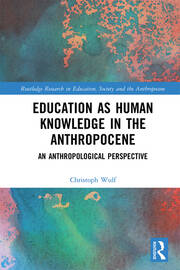
245 10|aEducation as Human Knowledge in the Anthropocene :|bAn Anthropological Perspective.
250 |aFirst edition.
264 1|a[Place of publication not identified] :|bRoutledge,|c2022.
300 |a1 online resource (248 pages).
336 |atext|btxt|2rdacontent
337 |acomputer|bc|2rdamedia
338 |aonline resource|bcr|2rdacarrier
490 0 |aRoutledge Research in Education, Society and the Anthropocene
505 0 |aIntroductionPart 1: Perfection of the imperfectable 1. The dream of education 2. The pedagogical discourse of modernity 3. The perfection of the individual 4. Anthropological foundations of education Part 2: Forms of anthropological knowledge 5. Repetition as part of the human condition 6. The productive power of imagination 7. The digitalization of the living world 9. Silent knowledge: iconicity, performativity, and materiality Part 3: Education in the globalized world 10. Being a "good human": education in Confucianism 11. Spirituality and violence reduction: Indian perspectives 12. Anthropocene: The Age of Humans 13. Peace, cultural diversity, and sustainability as tasks of global education References
520 |aThis book examines the concepts of the Anthropocene and globalisation in our society and the changes that these are bringing about in education and human learning. The book argues that there needs to be reflexive approach to issues that affect the fate of the planet and the future of humans, brought about by an education that looks to the future. Wulf argues that a change in education and socialization can only succeed based on an understanding of previous educational ideas, and considers the significance of Confucianism and spiritual education that emerged in the East. The book traces key educational ideas throughout history to show how education and human knowledge are closely linked, highlighting the need for us to pay careful attention to repetition, mimesis and the imagination in learning. It shows how a future-oriented education must engage with issues of peace and violence, global citizenship and sustainable development. This timely and compelling book will be of great interest to researchers, academics and students in the fields of philosophy of education, the history and anthropology of education, sustainability education and global citizenship education
588 |aOCLC-licensed vendor bibliographic record.
650 0|aEducation.
650 0|aGlobalization.
650 7|aEDUCATION / Philosophy & Social Aspects|2bisacsh
650 7|aSOCIAL SCIENCE / Anthropology / Cultural|2bisacsh
856 40|3Taylor & Francis|uhttps://www.taylorfrancis.com/books/9781003262695
856 42|3OCLC metadata license agreement|uhttp://www.oclc.org/content/dam/oclc/forms/terms/vbrl-201703.pdf
901 |aTaylor & Francis