LEADER 03638cam a2200553 i 4500
001 795315
003 TR_AnAIT
005 20260123004830
006 m o d
007 cr cnu---unuuu
008 220921t20232023enk ob 001 0 eng
020 |a9781003324485|qelectronic book
020 |a1003324487|qelectronic book
020 |a9781000785111|qelectronic book
020 |a1000785114|qelectronic book
020 |a9781000785104|qelectronic book
020 |a1000785106|qelectronic book
020 |z9781032349220|qhardcover
020 |z9781032349237|qpaperback
024 7 |a10.4324/9781003324485|2doi
035 |a(OCoLC)1345518695
035 |a(OCoLC-P)1345518695
040 |aOCoLC-P|beng|erda|cOCoLC-P
041 |aeng
049 |aTürk Tarih Kurumu Kütüphanesi
050 04|aDS478|b.D67 2023
072 7|aHIS|x017000|2bisacsh
072 7|aPOL|x045000|2bisacsh
072 7|a1FKA|2bicssc
082 00|a954.03/15|223/eng/20220921
100 1 |aDoss, M. Christhu,|eauthor.
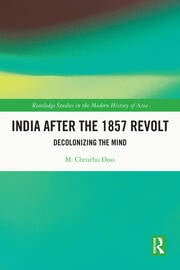
245 10|aIndia after the 1857 revolt :|bdecolonising the mind /|cM. Christhu Doss.
264 1|aAbingdon, Oxon ;|aNew York, NY :|bRoutledge,|c2023.
264 4|c©2023
300 |a1 online resource (xxix, 221 pages).
336 |atext|btxt|2rdacontent
337 |acomputer|bc|2rdamedia
338 |aonline resource|bcr|2rdacarrier
490 1 |aRoutledge studies in the modern history of Asia ;|v174
520 |a"Weaving together the varied and complex strands of anti-colonial nationalism into one compact narrative, Christhu Doss takes an incisive look at the deeper and wider historical process of decolonisation in India. In India After the 1857 Revolt, Doss brings together some of the most cutting-edge thoughts by challenging the cultural project of colonialism and critically examining the multidimensional aspects of decolonisation during and after the 1857 revolt. He demonstrates that the deep-rooted popular discontent among the Indian masses followed by the revolt generated a distinctive form of decolonisation movement-redemptive nationalism that challenged both the supremacy of the British raj and the cultural imperatives of the controversial proselytising missionary agencies. Doss argues that the quests for decolonisation (of mind) that got triggered by the revolt, were further intensified by the Indocentric national education; the historic Chicago discourse of Swami Vivekananda; the nonviolent anti-colonial struggles of Mahatma Gandhi; the seditious political activism displayed by the Western Gandhian missionary satyagrahis and the de-Westernisation endeavours of the sandwiched Indian Christian nationalists. A compelling read for historians, political scientists, and sociologists, it is refreshingly an indispensable guide to all those who are interested in anticolonial struggles and decolonisation movements worldwide"--|cProvided by publisher.
588 |aOCLC-licensed vendor bibliographic record.
647 7|aSepoy Rebellion|c(India :|d1857-1858)|2fast|0(OCoLC)fst01354692
650 0|aNationalism|zIndia|xHistory|y19th century.
650 7|aHISTORY / Asia / India & South Asia|2bisacsh
651 0|aIndia|xPolitics and government|y1765-1947.
651 0|aIndia|xHistory|xAutonomy and independence movements.
651 0|aGreat Britain|xColonies|xHistory|y19th century.
651 0|aIndia|xHistory|ySepoy Rebellion, 1857-1858.
830 0|aRoutledge studies in the modern history of Asia ;|v174.
856 40|3Taylor & Francis|uhttps://www.taylorfrancis.com/books/9781003324485
856 42|3OCLC metadata license agreement|uhttp://www.oclc.org/content/dam/oclc/forms/terms/vbrl-201703.pdf
901 |aTaylor & Francis