LEADER 03042cam a2200457 i 4500
001 795391
003 TR_AnAIT
005 20260123004957
006 m o d
007 cr cnu|||unuuu
008 240715s2024 nyu eo 000 0 eng d
020 |a9781003495673|q(electronic bk.)
020 |a1003495672|q(electronic bk.)
020 |a9781040105214|q(electronic bk. : PDF)
020 |a1040105211|q(electronic bk. : PDF)
020 |a9781040105238|q(electronic bk. : EPUB)
020 |a1040105238|q(electronic bk. : EPUB)
020 |z9781032799070
020 |z9781032801469
024 7 |a10.4324/9781003495673|2doi
035 |a(OCoLC)1446216255
035 |a(OCoLC-P)1446216255
040 |aOCoLC-P|beng|erda|epn|cOCoLC-P
041 |aeng
049 |aTürk Tarih Kurumu Kütüphanesi
050 4|aGF41
072 7|aSOC|x002000|2bisacsh
072 7|aJHM|2bicssc
082 04|a304.2|223/eng/20240727
100 1 |aErvin, Alexander M.|q(Alexander MacKay),|eauthor.
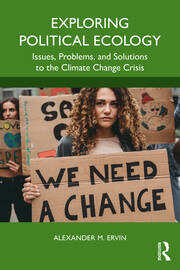
245 10|aExploring Political Ecology :|bIssues, Problems, and Solutions to the Climate Change Crisis /|cAlexander M. Ervin.
250 |aFirst edition.
264 1|aNew York :|bRoutledge,|c2024.
300 |a1 online resource (xii, 256 pages).
336 |atext|btxt|2rdacontent
337 |acomputer|bc|2rdamedia
338 |aonline resource|bcr|2rdacarrier
520 |aThis book explores some of the conditions and underlying causes of the multiple environmental crises facing humanity. Rooted in anthropology, but multidisciplinary in scope, it surveys the many socio-cultural and socio-economic errors, foibles, and follies that brought us to these circumstances. Crucially and uniquely, it outlines an array of viable and practical solutions, some of which are radically different from the current status quo and cultural expectations. The first chapter canvasses the emerging, interdisciplinary field of political ecology, then Part I examines details and trends in agriculture. Part II portrays the threats posed by carbon dependent and combustive technologies as well as the hydro and nuclear energy systems now powering the majority of human actions in developed parts of the world and expanding beyond. The third part turns to consider solutions, including green new deals, de-growth policies, localization, agroecology, alternative energy systems, and many more possibilities. The conclusions engage with urgent moral and legal issues and outline social movement strategies--all related to our collective neglect of climate change--and then finally speculate upon possible futures. This book is key reading for researchers and students interested in climate change across the social and physical sciences and humanities.
588 |aOCLC-licensed vendor bibliographic record.
650 0|aHuman ecology.
650 7|aSOCIAL SCIENCE / Anthropology / General|2bisacsh
856 40|3Taylor & Francis|uhttps://www.taylorfrancis.com/books/9781003495673
856 42|3OCLC metadata license agreement|uhttp://www.oclc.org/content/dam/oclc/forms/terms/vbrl-201703.pdf
901 |aTaylor & Francis