LEADER 03224cam a2200409Mu 4500
001 795951
003 TR_AnAIT
005 20260123005848
006 m d
007 cr cnu---unuuu
008 190817s2019 xx o 000 0 eng d
020 |a9781000729764
020 |a1000729761
020 |a9780367816889|q(electronic bk.)
020 |a0367816881|q(electronic bk.)
020 |a9781000730067|q(electronic bk. : EPUB)
020 |a1000730069|q(electronic bk. : EPUB)
020 |a9781000729917|q(electronic bk. : Mobipocket)
020 |a1000729915|q(electronic bk. : Mobipocket)
035 |a(OCoLC)1112421827
035 |a(OCoLC-P)1112421827
040 |aOCoLC-P|beng|cOCoLC-P
041 |aeng
049 |aTürk Tarih Kurumu Kütüphanesi
050 4|aHG1240.B43
072 7|aSOC|x053000|2bisacsh
072 7|aRGL|2bicssc
082 04|a332.4916564|223
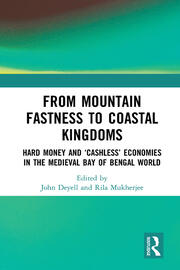
245 00|aFrom Mountain Fastness to Coastal Kingdoms|h[electronic resource] :|bHard Money and 'Cashless' Economies in the Medieval Bay of Bengal World.
260 |aMilton :|bRoutledge,|c2019.
300 |a1 online resource (240 p.)
500 |aDescription based upon print version of record.
520 |aMoney is central to the functioning of economies, yet for the pre modern period, our knowledge of monetary systems is still evolving. Until recently, historians of the medieval world have conflated the use of coins with a high degree of monetization. States without coinage were considered under-monetized. It is becoming more evident, however, that some medieval states used money in complex ways without using coinage. Moneys of account supplanted coins wholly or in part. But there is an imbalance of evidence: coins survive physically, while intangible forms of money leave little trace. This has skewed our understanding. Since coin usage has been well studied in the past, these essays flesh out our consideration of societies that used money but struck no coins. Absence or shortage of coining metals was not the causative factor: some of these societies had access to metal supplies but still remained coinless. Was this a strategic choice? Does it reflect the unique system of governance that developed in each kingdom? It is surely time to unravel this puzzle. This book examines money use in the Bay of Bengal world, using the case of medieval Bengal as a fulcrum. Situated between mountains and the sea, this region had simultaneous access to both overland and maritime trade routes. How did such cashless' economies function internally, within their regions and in the broader Indian Ocean context? This volume brings together the thoughts of a range of upcoming scholars (and a sprinkling of their elders), on these and related issues. Please note: Taylor & Francis does not sell or distribute the Hardback in India, Pakistan, Nepal, Bhutan, Bangladesh and Sri Lanka
588 |aOCLC-licensed vendor bibliographic record.
650 0|aMoney|zBengal, Bay of|xHistory|yTo 1500.
700 1 |aDeyell, John S.,|eeditor.
700 1 |aMukherjee, Rila,|eeditor.
856 40|3Taylor & Francis|uhttps://www.taylorfrancis.com/books/9780367816889
856 42|3OCLC metadata license agreement|uhttp://www.oclc.org/content/dam/oclc/forms/terms/vbrl-201703.pdf
901 |aTaylor & Francis