LEADER 03187cam a2200493 i 4500
001 796246
003 TR_AnAIT
005 20260123010426
006 m o d
007 cr cnu---unuuu
008 220323t20232023nyua ob 001 0 eng
020 |a9781003250470|qelectronic book
020 |a1003250475|qelectronic book
020 |a1000626644|qelectronic book
020 |a9781000626667|qelectronic book
020 |a1000626660|qelectronic book
020 |a9781000626643|q(electronic bk.)
020 |z9781032164571|qhardcover
020 |z9781032168326|qpaperback
024 7 |a10.4324/9781003250470|2doi
035 |a(OCoLC)1325679061
035 |a(OCoLC-P)1325679061
040 |aOCoLC-P|beng|erda|cOCoLC-P
041 |aeng
049 |aTürk Tarih Kurumu Kütüphanesi
050 04|aTK5105.875.I57|bI5352 2023
072 7|aSCI|x075000|2bisacsh
072 7|aPDA|2bicssc
082 00|a004.67/8|223/eng/20220401
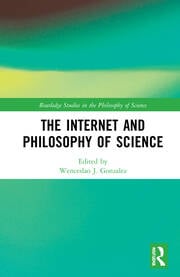
245 04|aThe internet and philosophy of science /|cedited by Wenceslao J. Gonzalez.
264 1|aNew York, NY :|bRoutledge,|c2023.
264 4|c©2023
300 |a1 online resource (xi, 246 pages) :|billustrations.
336 |atext|btxt|2rdacontent
337 |acomputer|bc|2rdamedia
338 |aonline resource|bcr|2rdacarrier
490 1 |aRoutledge studies in the philosophy of science
520 |a"This book analyzes the Internet from the perspective of philosophy of science. Conceived in a broad sense, it includes three major layers: (i) the technological infrastructure, (ii) the Web, and (iii) cloud computing, along with apps and mobile Internet. The book focuses on the network of networks from the viewpoint of complexity, both structural and dynamic. In addition to the scientific side, this volume considers the technological facet and the social dimension of the Internet as a novel design. There is a clear contribution of the Internet to science: first, the very development of the network of networks requires the creation of new science; second, the Internet empowers scientific disciplines, such as communication sciences; and third, the Internet has fostered a whole new emergent field of data and information. After the opening chapter, which offers a series of keys to the book, there are nine chapters grouped into four parts: I) Configuration of the Internet and Its Future, II) Structural and Dynamic Complexity in the Design of the Internet, III) Internal and External Contributions of the Internet, and IV) The Internet and the Sciences. The Internet and Philosophy of Science will be of interest to scholars and advanced students working in philosophy of science, philosophy of technology, and science and technology studies"--|cProvided by publisher.
588 |aOCLC-licensed vendor bibliographic record.
650 0|aInternet.
650 0|aScience|xPhilosophy.
650 7|aSCIENCE / Philosophy & Social Aspects|2bisacsh
700 1 |aGonzález, Wenceslao J.,|eeditor.
830 0|aRoutledge studies in the philosophy of science.
856 40|3Taylor & Francis|uhttps://www.taylorfrancis.com/books/9781003250470
856 42|3OCLC metadata license agreement|uhttp://www.oclc.org/content/dam/oclc/forms/terms/vbrl-201703.pdf
901 |aTaylor & Francis