

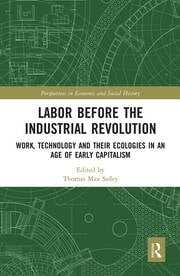
Labor before the industrial revolution : work, technology and their ecologies in an age of early capitalism / Edited by Thomas Max Safley.
ISBN
9781351251051 (electronic bk.)
1351251058 (electronic bk.)
9781351251082 (electronic bk.)
1351251082 (electronic bk.)
9781351251075 (electronic bk. : PDF)
1351251074 (electronic bk. : PDF)
9781351251068 (electronic bk. : EPUB)
1351251066 (electronic bk. : EPUB)
9780815369950
1351251058 (electronic bk.)
9781351251082 (electronic bk.)
1351251082 (electronic bk.)
9781351251075 (electronic bk. : PDF)
1351251074 (electronic bk. : PDF)
9781351251068 (electronic bk. : EPUB)
1351251066 (electronic bk. : EPUB)
9780815369950
Dil Kodu
İngilizce
Yayın Bilgisi
New York : Routledge, 2018.
Fiziksel Niteleme
1 online resource.
Dizi
Perspectives in Economic and Social History ; 55
İçindekiler Notu
Cover; Half Title; Series Page; Title Page; Copyright Page; Table of Contents; List of figures; List of tables; List of contributors; Preface; Chapter 1 Introduction; Notes; Chapter 2 Practice and vision: the depiction of paper-making in 18th-century encyclopedias; The ecology and social relations of paper-making; Industriousness; Skill versus knowledge; Conclusion: vision becomes practice; Appendix; Notes; Chapter 3 Fashion, capitalism and ribbon-making in early modern Europe; Introduction; Ribbons' materiality and their markets; The rise of an industry
Technology, institutions and work organizationGendered labor markets; Merchant-capitalism and commodity chains; Fashion, desire and productive worlds; Notes; Chapter 4 The commodity form of labor: discursive and cultural transitions to capitalism(s) and labor in the Low Countries' ceramic industries (1500-1900); Introduction; Commodity forms of labor in the plural; The history of capitalism, the historicities of capitalisms, and the factory systems; The commodity form of labor in the ceramic industries in the Low Countries; Conclusion; Notes
Chapter 5 Quality disputes among the London leather trades in the 18th centuryIntroduction; Leather regulations; The debate on the leather inspection; The Flaying Acts; The abolition of inspections; Conclusions; Notes; Chapter 6 Harvest work and labor market regulation in Old Regime northern France; Introduction; Worker quality; Migrant labor; Harvest work and gleaning; Tools of discontent; Conclusion; Notes; Chapter 7 "Quand le bâ timent va, tout va." The building trade in the Latin West in the Middle Ages; A laboratory for economic innovation; Construction sites and wage regimes
Hiring and contractsRaw materials and their influence on work; Regulating work and doing business; Mobility and specialization in building trades; Conclusion: Labor and technical innovations; Notes; Chapter 8 On land and at sea: maritime work and maritime workers in medieval Catalonia; A simple case study; Ship construction, maintenance and crewmembers: seafaring as a privileged observatory of work in the Middle Ages; Wood: From the forest to the shipyard; From the shipyard to the built ship; Working on board ship; Conclusion; Notes
Chapter 9 Glass-making and glass-makers from the 16th to the 18th centuryThe socio-technical organization of glass-making; Concerning the "industrious revolution"; The complicated relationship between know-how and the formalization of knowledge; Ecological impact of glass-making; Conclusion; Notes; Chapter 10 Mercury mining and miners: the transition from boutique metal to strategic commodity in the 16th century; Introduction; Productivity at Idrija; Knowledge at Idrija; Social relations of production at Idrija; Conclusion; Notes
Technology, institutions and work organizationGendered labor markets; Merchant-capitalism and commodity chains; Fashion, desire and productive worlds; Notes; Chapter 4 The commodity form of labor: discursive and cultural transitions to capitalism(s) and labor in the Low Countries' ceramic industries (1500-1900); Introduction; Commodity forms of labor in the plural; The history of capitalism, the historicities of capitalisms, and the factory systems; The commodity form of labor in the ceramic industries in the Low Countries; Conclusion; Notes
Chapter 5 Quality disputes among the London leather trades in the 18th centuryIntroduction; Leather regulations; The debate on the leather inspection; The Flaying Acts; The abolition of inspections; Conclusions; Notes; Chapter 6 Harvest work and labor market regulation in Old Regime northern France; Introduction; Worker quality; Migrant labor; Harvest work and gleaning; Tools of discontent; Conclusion; Notes; Chapter 7 "Quand le bâ timent va, tout va." The building trade in the Latin West in the Middle Ages; A laboratory for economic innovation; Construction sites and wage regimes
Hiring and contractsRaw materials and their influence on work; Regulating work and doing business; Mobility and specialization in building trades; Conclusion: Labor and technical innovations; Notes; Chapter 8 On land and at sea: maritime work and maritime workers in medieval Catalonia; A simple case study; Ship construction, maintenance and crewmembers: seafaring as a privileged observatory of work in the Middle Ages; Wood: From the forest to the shipyard; From the shipyard to the built ship; Working on board ship; Conclusion; Notes
Chapter 9 Glass-making and glass-makers from the 16th to the 18th centuryThe socio-technical organization of glass-making; Concerning the "industrious revolution"; The complicated relationship between know-how and the formalization of knowledge; Ecological impact of glass-making; Conclusion; Notes; Chapter 10 Mercury mining and miners: the transition from boutique metal to strategic commodity in the 16th century; Introduction; Productivity at Idrija; Knowledge at Idrija; Social relations of production at Idrija; Conclusion; Notes
Özet, vb.
One cannot conceive of capitalism without labor. Yet many of the current debates about economic development leading to industrialization fail to directly engage with labor at all. This collection of essays strives to correct this oversight and to reintroduce labor into the great debates about capitalist development and economic growth before the Industrial Revolution. By attending to the effects of specific regulatory, technological, social and physical environments on producers and production in a set of specific industries, these essays use an "ecological "approach that demonstrates how productivity, knowledge and regime changed between 1400 and 1800. This book will be of interest to researchers in history, especially labor history, and European economic development.
Konu
Labor market.
Industrial revolution.
BUSINESS & ECONOMICS / Labor. __ bisacsh
POLITICAL SCIENCE / Labor & Industrial Relations. __ bisacsh
BUSINESS & ECONOMICS / General __ bisacsh
BUSINESS & ECONOMICS / Economic History __ bisacsh
Industrial revolution.
BUSINESS & ECONOMICS / Labor. __ bisacsh
POLITICAL SCIENCE / Labor & Industrial Relations. __ bisacsh
BUSINESS & ECONOMICS / General __ bisacsh
BUSINESS & ECONOMICS / Economic History __ bisacsh
Diğer Yazarlar
Veritabanı
Eseri Alıntıla
Referansları kullanmadan önce gözden geçirmeniz ve varsa gerekli düzeltmeleri yapmanız önerilir.
Dijital Kaynak
MARC Görünümü
LEADER 05674cam a2200601Ii 4500
001 796685
003 TR_AnAIT
005 20260123011055
006 m o d
007 cr cnu|||unuuu
008 181112s2018 nyu ob 001 0 eng d
020 |a9781351251051|q(electronic bk.)
020 |a1351251058|q(electronic bk.)
020 |a9781351251082|q(electronic bk.)
020 |a1351251082|q(electronic bk.)
020 |a9781351251075|q(electronic bk. : PDF)
020 |a1351251074|q(electronic bk. : PDF)
020 |a9781351251068|q(electronic bk. : EPUB)
020 |a1351251066|q(electronic bk. : EPUB)
020 |z9780815369950
035 |a(OCoLC)1062395424
035 |a(OCoLC-P)1062395424
040 |aOCoLC-P|beng|erda|epn|cOCoLC-P
041 |aeng
049 |aTürk Tarih Kurumu Kütüphanesi
050 4|aHD5706
072 7|aBUS|x038000|2bisacsh
072 7|aPOL|x013000|2bisacsh
072 7|aBUS|x000000|2bisacsh
072 7|aBUS|x023000|2bisacsh
072 7|aKCZ|2bicssc
082 04|a331.12|223
245 00|aLabor before the industrial revolution :|bwork, technology and their ecologies in an age of early capitalism /|cEdited by Thomas Max Safley.
264 1|aNew York :|bRoutledge,|c2018.
300 |a1 online resource.
336 |atext|btxt|2rdacontent
337 |acomputer|bc|2rdamedia
338 |aonline resource|bcr|2rdacarrier
490 1 |aPerspectives in Economic and Social History ;|v55
505 0 |aCover; Half Title; Series Page; Title Page; Copyright Page; Table of Contents; List of figures; List of tables; List of contributors; Preface; Chapter 1 Introduction; Notes; Chapter 2 Practice and vision: the depiction of paper-making in 18th-century encyclopedias; The ecology and social relations of paper-making; Industriousness; Skill versus knowledge; Conclusion: vision becomes practice; Appendix; Notes; Chapter 3 Fashion, capitalism and ribbon-making in early modern Europe; Introduction; Ribbons' materiality and their markets; The rise of an industry
505 8 |aTechnology, institutions and work organizationGendered labor markets; Merchant-capitalism and commodity chains; Fashion, desire and productive worlds; Notes; Chapter 4 The commodity form of labor: discursive and cultural transitions to capitalism(s) and labor in the Low Countries' ceramic industries (1500-1900); Introduction; Commodity forms of labor in the plural; The history of capitalism, the historicities of capitalisms, and the factory systems; The commodity form of labor in the ceramic industries in the Low Countries; Conclusion; Notes
505 8 |aChapter 5 Quality disputes among the London leather trades in the 18th centuryIntroduction; Leather regulations; The debate on the leather inspection; The Flaying Acts; The abolition of inspections; Conclusions; Notes; Chapter 6 Harvest work and labor market regulation in Old Regime northern France; Introduction; Worker quality; Migrant labor; Harvest work and gleaning; Tools of discontent; Conclusion; Notes; Chapter 7 "Quand le bâ timent va, tout va." The building trade in the Latin West in the Middle Ages; A laboratory for economic innovation; Construction sites and wage regimes
505 8 |aHiring and contractsRaw materials and their influence on work; Regulating work and doing business; Mobility and specialization in building trades; Conclusion: Labor and technical innovations; Notes; Chapter 8 On land and at sea: maritime work and maritime workers in medieval Catalonia; A simple case study; Ship construction, maintenance and crewmembers: seafaring as a privileged observatory of work in the Middle Ages; Wood: From the forest to the shipyard; From the shipyard to the built ship; Working on board ship; Conclusion; Notes
505 8 |aChapter 9 Glass-making and glass-makers from the 16th to the 18th centuryThe socio-technical organization of glass-making; Concerning the "industrious revolution"; The complicated relationship between know-how and the formalization of knowledge; Ecological impact of glass-making; Conclusion; Notes; Chapter 10 Mercury mining and miners: the transition from boutique metal to strategic commodity in the 16th century; Introduction; Productivity at Idrija; Knowledge at Idrija; Social relations of production at Idrija; Conclusion; Notes
520 |aOne cannot conceive of capitalism without labor. Yet many of the current debates about economic development leading to industrialization fail to directly engage with labor at all. This collection of essays strives to correct this oversight and to reintroduce labor into the great debates about capitalist development and economic growth before the Industrial Revolution. By attending to the effects of specific regulatory, technological, social and physical environments on producers and production in a set of specific industries, these essays use an "ecological "approach that demonstrates how productivity, knowledge and regime changed between 1400 and 1800. This book will be of interest to researchers in history, especially labor history, and European economic development.
588 |aOCLC-licensed vendor bibliographic record.
650 0|aLabor market.
650 0|aIndustrial revolution.
650 7|aBUSINESS & ECONOMICS / Labor.|2bisacsh
650 7|aPOLITICAL SCIENCE / Labor & Industrial Relations.|2bisacsh
650 7|aBUSINESS & ECONOMICS / General|2bisacsh
650 7|aBUSINESS & ECONOMICS / Economic History|2bisacsh
700 1 |aSafley, Thomas Max.
856 40|3Taylor & Francis|uhttps://www.taylorfrancis.com/books/9781351251082
856 42|3OCLC metadata license agreement|uhttp://www.oclc.org/content/dam/oclc/forms/terms/vbrl-201703.pdf
901 |aTaylor & Francis
001 796685
003 TR_AnAIT
005 20260123011055
006 m o d
007 cr cnu|||unuuu
008 181112s2018 nyu ob 001 0 eng d
020 |a9781351251051|q(electronic bk.)
020 |a1351251058|q(electronic bk.)
020 |a9781351251082|q(electronic bk.)
020 |a1351251082|q(electronic bk.)
020 |a9781351251075|q(electronic bk. : PDF)
020 |a1351251074|q(electronic bk. : PDF)
020 |a9781351251068|q(electronic bk. : EPUB)
020 |a1351251066|q(electronic bk. : EPUB)
020 |z9780815369950
035 |a(OCoLC)1062395424
035 |a(OCoLC-P)1062395424
040 |aOCoLC-P|beng|erda|epn|cOCoLC-P
041 |aeng
049 |aTürk Tarih Kurumu Kütüphanesi
050 4|aHD5706
072 7|aBUS|x038000|2bisacsh
072 7|aPOL|x013000|2bisacsh
072 7|aBUS|x000000|2bisacsh
072 7|aBUS|x023000|2bisacsh
072 7|aKCZ|2bicssc
082 04|a331.12|223
245 00|aLabor before the industrial revolution :|bwork, technology and their ecologies in an age of early capitalism /|cEdited by Thomas Max Safley.
264 1|aNew York :|bRoutledge,|c2018.
300 |a1 online resource.
336 |atext|btxt|2rdacontent
337 |acomputer|bc|2rdamedia
338 |aonline resource|bcr|2rdacarrier
490 1 |aPerspectives in Economic and Social History ;|v55
505 0 |aCover; Half Title; Series Page; Title Page; Copyright Page; Table of Contents; List of figures; List of tables; List of contributors; Preface; Chapter 1 Introduction; Notes; Chapter 2 Practice and vision: the depiction of paper-making in 18th-century encyclopedias; The ecology and social relations of paper-making; Industriousness; Skill versus knowledge; Conclusion: vision becomes practice; Appendix; Notes; Chapter 3 Fashion, capitalism and ribbon-making in early modern Europe; Introduction; Ribbons' materiality and their markets; The rise of an industry
505 8 |aTechnology, institutions and work organizationGendered labor markets; Merchant-capitalism and commodity chains; Fashion, desire and productive worlds; Notes; Chapter 4 The commodity form of labor: discursive and cultural transitions to capitalism(s) and labor in the Low Countries' ceramic industries (1500-1900); Introduction; Commodity forms of labor in the plural; The history of capitalism, the historicities of capitalisms, and the factory systems; The commodity form of labor in the ceramic industries in the Low Countries; Conclusion; Notes
505 8 |aChapter 5 Quality disputes among the London leather trades in the 18th centuryIntroduction; Leather regulations; The debate on the leather inspection; The Flaying Acts; The abolition of inspections; Conclusions; Notes; Chapter 6 Harvest work and labor market regulation in Old Regime northern France; Introduction; Worker quality; Migrant labor; Harvest work and gleaning; Tools of discontent; Conclusion; Notes; Chapter 7 "Quand le bâ timent va, tout va." The building trade in the Latin West in the Middle Ages; A laboratory for economic innovation; Construction sites and wage regimes
505 8 |aHiring and contractsRaw materials and their influence on work; Regulating work and doing business; Mobility and specialization in building trades; Conclusion: Labor and technical innovations; Notes; Chapter 8 On land and at sea: maritime work and maritime workers in medieval Catalonia; A simple case study; Ship construction, maintenance and crewmembers: seafaring as a privileged observatory of work in the Middle Ages; Wood: From the forest to the shipyard; From the shipyard to the built ship; Working on board ship; Conclusion; Notes
505 8 |aChapter 9 Glass-making and glass-makers from the 16th to the 18th centuryThe socio-technical organization of glass-making; Concerning the "industrious revolution"; The complicated relationship between know-how and the formalization of knowledge; Ecological impact of glass-making; Conclusion; Notes; Chapter 10 Mercury mining and miners: the transition from boutique metal to strategic commodity in the 16th century; Introduction; Productivity at Idrija; Knowledge at Idrija; Social relations of production at Idrija; Conclusion; Notes
520 |aOne cannot conceive of capitalism without labor. Yet many of the current debates about economic development leading to industrialization fail to directly engage with labor at all. This collection of essays strives to correct this oversight and to reintroduce labor into the great debates about capitalist development and economic growth before the Industrial Revolution. By attending to the effects of specific regulatory, technological, social and physical environments on producers and production in a set of specific industries, these essays use an "ecological "approach that demonstrates how productivity, knowledge and regime changed between 1400 and 1800. This book will be of interest to researchers in history, especially labor history, and European economic development.
588 |aOCLC-licensed vendor bibliographic record.
650 0|aLabor market.
650 0|aIndustrial revolution.
650 7|aBUSINESS & ECONOMICS / Labor.|2bisacsh
650 7|aPOLITICAL SCIENCE / Labor & Industrial Relations.|2bisacsh
650 7|aBUSINESS & ECONOMICS / General|2bisacsh
650 7|aBUSINESS & ECONOMICS / Economic History|2bisacsh
700 1 |aSafley, Thomas Max.
856 40|3Taylor & Francis|uhttps://www.taylorfrancis.com/books/9781351251082
856 42|3OCLC metadata license agreement|uhttp://www.oclc.org/content/dam/oclc/forms/terms/vbrl-201703.pdf
901 |aTaylor & Francis
Materyaller
Depodan talep edilen materyal sadece kütüphane içerisinde kullanılmaktadır.
Materyal dışarıya ödünç verilmemektedir.
Materyal dışarıya ödünç verilmemektedir.
