LEADER 01745cam a2200313Ii 4500
001 796776
003 TR_AnAIT
005 20260123011216
008 180331s2009 fluab ob 001 0 eng d
020 |a9781420068788|q(e-book : PDF)
020 |a9781466536494|q(e-book)
020 |z9781420068771|q(hardback)
024 7 |a10.1201/9781420068788 |2doi
035 |a(OCoLC)317674954
040 |aFlBoTFG|cFlBoTFG|erda
041 |aeng
049 |aTürk Tarih Kurumu Kütüphanesi
050 4|aGN69.8|b.P53 2009
082 04|a614.17|bP596
100 1 |aPickering, Robert B.,|eauthor.
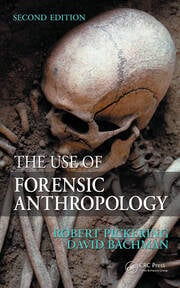
245 14|aThe use of forensic anthropology /|cRobert Pickering, David Bachman.
250 |aSecond edition.
264 1|aBoca Raton :|bCRC Press,|c2009.
300 |a1 online resource (xix, 206 pages)
336 |atext|2rdacontent
337 |acomputer|2rdamedia
338 |aonline resource|2rdacarrier
504 |aIncludes bibliographical references (pages 193-194) and index.
505 00|tchapter 1 Introduction -- |tchapter 2 “Some Bones Have Been Found” -- |tchapter 3 What the Forensic Anthropologist Can and Cannot Do -- |tchapter 4 Techniques for Recovering Skeletonized Human Remains -- |tchapter 5 Ten Key Questions -- |tchapter 6 Assessing Ancestry (Race) from the Skeleton /|rGeorge W. Gill -- |tchapter 7 Determination of Time since Death -- |tchapter 8 Special Techniques: Their Value and Limitations -- |tchapter 9 An Introduction to Forensic Science and DNA* /|rHeather Miller Coyle -- |tchapter 10 Skeletal Trauma and Identifying Skeletal Pathology -- |tchapter 11 Putting Your Case Together.
650 0|aForensic anthropology.
700 1 |aBachman, David C.|q(David Charles)
776 08|iPrint version: |z9781420068771|w(DLC) 2008033792
856 40|uhttps://www.taylorfrancis.com/books/9781420068788|zClick here to view.
901 |aTaylor & Francis