

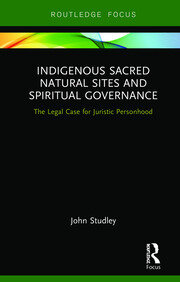
Indigenous sacred natural sites and spiritual governance : the legal case of juristic personhood / John Studley.
ISBN
9780429455797 electronic book
0429455798 electronic book
9780429849794 electronic book
0429849796 electronic book
9780429849800 electronic book
042984980X electronic book
9780429849787 electronic book
0429849788 electronic book
9781138316232 hardcover
0429455798 electronic book
9780429849794 electronic book
0429849796 electronic book
9780429849800 electronic book
042984980X electronic book
9780429849787 electronic book
0429849788 electronic book
9781138316232 hardcover
Dil Kodu
İngilizce
Yazar
Yayın Bilgisi
Abingdon, Oxon ; New York, NY : Routledge, 2019.
©2019
©2019
Fiziksel Niteleme
1 online resource (xxvi, 120 pages).
Dizi
Routledge focus on environment and sustainability
İçindekiler Notu
Indigenous sacred natural sites with reference to Tibet -- Theoretical basis for post-anthropocentric approaches to nature and jurisprudence -- Indigenous spiritual ecology -- Legal background to juristic personhood -- Legislative chronology of cases -- Litigation to date -- Case study : ritual protection of sns in the Tibetan region of Kham (SW China) -- The challenge of perpetuating SNS -- How can sacred natural sites best be prosecuted.
Özet, vb.
Since time immemorial indigenous people have engaged in legal relationships with other-than-human-persons. These relationships are exemplified in enspirited sacred natural sites, which are owned and governed by numina spirits that can potentially place legal demands on humankind in return for protection and blessing. Although conservationists recognise the biodiverse significance of most sacred natural sites, the role of spiritual agency by other-than-human-persons is not well understood. Consequently, sacred natural sites typically lack legal status and IUCN-designated protection. More recent ecocentric and posthuman worldviews and polycentric legal frameworks have allowed courts and legislatures to grant 'rights' to nature and 'juristic personhood' and standing to biophysical entities. This book examines the indigenous literature and recent legal cases as a pretext for granting juristic personhood to enspirited sacred natural sites. The author draws on two decades of his research among Tibetans in Kham (southwest China), to provide a detailed case study. It is argued that juristic personhood is contingent upon the presence and agency of a resident numina and that recognition should be given to their role in spiritual governance over their jurisdiction. The book concludes by recommending that advocacy organisations help indigenous people with test cases to secure standing for threatened sacred natural sites (SNS) and calls upon IUCN, UNESCO (MAB and WHS), ASEAN Heritage and EuroNatura to retrospectively re-designate their properties, reserves, parks and initiatives so that SNS and spiritual governance are fully recognised and embraced. It will be of great interest to advanced students and researchers in environmental law, nature conservation, religion and anthropology.
Konu
Sacred space __ Law and legislation.
Protected areas __ Law and legislation.
Juristic persons.
Locus standi.
Nature __ Religious aspects.
Indigenous peoples (International law)
LAW / Administrative Law & Regulatory Practice. __ bisacsh
LAW / Environmental. __ bisacsh
Protected areas __ Law and legislation.
Juristic persons.
Locus standi.
Nature __ Religious aspects.
Indigenous peoples (International law)
LAW / Administrative Law & Regulatory Practice. __ bisacsh
LAW / Environmental. __ bisacsh
Veritabanı
Eseri Alıntıla
Referansları kullanmadan önce gözden geçirmeniz ve varsa gerekli düzeltmeleri yapmanız önerilir.
Dijital Kaynak
MARC Görünümü
LEADER 04357cam a2200577 i 4500
001 796837
003 TR_AnAIT
005 20260123011313
006 m o d
007 cr cnu---unuuu
008 180807t20192019enkab ob 001 0 eng
020 |a9780429455797|qelectronic book
020 |a0429455798|qelectronic book
020 |a9780429849794|qelectronic book
020 |a0429849796|qelectronic book
020 |a9780429849800|qelectronic book
020 |a042984980X|qelectronic book
020 |a9780429849787|qelectronic book
020 |a0429849788|qelectronic book
020 |z9781138316232|qhardcover
035 |a(OCoLC)1048657587
035 |a(OCoLC-P)1048657587
040 |aOCoLC-P|beng|erda|cOCoLC-P
041 |aeng
049 |aTürk Tarih Kurumu Kütüphanesi
050 14|aK3791|b.S78 2019
072 7|aLAW|x001000|2bisacsh
072 7|aLAW|x034000|2bisacsh
072 7|aHRKT|2bicssc
082 00|a344/.094|223
100 1 |aStudley, John,|eauthor.
245 10|aIndigenous sacred natural sites and spiritual governance :|bthe legal case of juristic personhood /|cJohn Studley.
264 1|aAbingdon, Oxon ;|aNew York, NY :|bRoutledge,|c2019.
264 4|c©2019
300 |a1 online resource (xxvi, 120 pages).
336 |atext|btxt|2rdacontent
337 |acomputer|bc|2rdamedia
338 |aonline resource|bcr|2rdacarrier
490 1 |aRoutledge focus on environment and sustainability
505 0 |aIndigenous sacred natural sites with reference to Tibet -- Theoretical basis for post-anthropocentric approaches to nature and jurisprudence -- Indigenous spiritual ecology -- Legal background to juristic personhood -- Legislative chronology of cases -- Litigation to date -- Case study : ritual protection of sns in the Tibetan region of Kham (SW China) -- The challenge of perpetuating SNS -- How can sacred natural sites best be prosecuted.
520 |aSince time immemorial indigenous people have engaged in legal relationships with other-than-human-persons. These relationships are exemplified in enspirited sacred natural sites, which are owned and governed by numina spirits that can potentially place legal demands on humankind in return for protection and blessing. Although conservationists recognise the biodiverse significance of most sacred natural sites, the role of spiritual agency by other-than-human-persons is not well understood. Consequently, sacred natural sites typically lack legal status and IUCN-designated protection. More recent ecocentric and posthuman worldviews and polycentric legal frameworks have allowed courts and legislatures to grant 'rights' to nature and 'juristic personhood' and standing to biophysical entities. This book examines the indigenous literature and recent legal cases as a pretext for granting juristic personhood to enspirited sacred natural sites. The author draws on two decades of his research among Tibetans in Kham (southwest China), to provide a detailed case study. It is argued that juristic personhood is contingent upon the presence and agency of a resident numina and that recognition should be given to their role in spiritual governance over their jurisdiction. The book concludes by recommending that advocacy organisations help indigenous people with test cases to secure standing for threatened sacred natural sites (SNS) and calls upon IUCN, UNESCO (MAB and WHS), ASEAN Heritage and EuroNatura to retrospectively re-designate their properties, reserves, parks and initiatives so that SNS and spiritual governance are fully recognised and embraced. It will be of great interest to advanced students and researchers in environmental law, nature conservation, religion and anthropology.
588 |aOCLC-licensed vendor bibliographic record.
650 0|aSacred space|xLaw and legislation.
650 0|aProtected areas|xLaw and legislation.
650 0|aJuristic persons.
650 0|aLocus standi.
650 0|aNature|xReligious aspects.
650 0|aIndigenous peoples (International law)
650 7|aLAW / Administrative Law & Regulatory Practice.|2bisacsh
650 7|aLAW / Environmental.|2bisacsh
653 |aSacred natural sites
856 40|3Taylor & Francis|uhttps://www.taylorfrancis.com/books/9780429455797
856 42|3OCLC metadata license agreement|uhttp://www.oclc.org/content/dam/oclc/forms/terms/vbrl-201703.pdf
901 |aTaylor & Francis
001 796837
003 TR_AnAIT
005 20260123011313
006 m o d
007 cr cnu---unuuu
008 180807t20192019enkab ob 001 0 eng
020 |a9780429455797|qelectronic book
020 |a0429455798|qelectronic book
020 |a9780429849794|qelectronic book
020 |a0429849796|qelectronic book
020 |a9780429849800|qelectronic book
020 |a042984980X|qelectronic book
020 |a9780429849787|qelectronic book
020 |a0429849788|qelectronic book
020 |z9781138316232|qhardcover
035 |a(OCoLC)1048657587
035 |a(OCoLC-P)1048657587
040 |aOCoLC-P|beng|erda|cOCoLC-P
041 |aeng
049 |aTürk Tarih Kurumu Kütüphanesi
050 14|aK3791|b.S78 2019
072 7|aLAW|x001000|2bisacsh
072 7|aLAW|x034000|2bisacsh
072 7|aHRKT|2bicssc
082 00|a344/.094|223
100 1 |aStudley, John,|eauthor.
245 10|aIndigenous sacred natural sites and spiritual governance :|bthe legal case of juristic personhood /|cJohn Studley.
264 1|aAbingdon, Oxon ;|aNew York, NY :|bRoutledge,|c2019.
264 4|c©2019
300 |a1 online resource (xxvi, 120 pages).
336 |atext|btxt|2rdacontent
337 |acomputer|bc|2rdamedia
338 |aonline resource|bcr|2rdacarrier
490 1 |aRoutledge focus on environment and sustainability
505 0 |aIndigenous sacred natural sites with reference to Tibet -- Theoretical basis for post-anthropocentric approaches to nature and jurisprudence -- Indigenous spiritual ecology -- Legal background to juristic personhood -- Legislative chronology of cases -- Litigation to date -- Case study : ritual protection of sns in the Tibetan region of Kham (SW China) -- The challenge of perpetuating SNS -- How can sacred natural sites best be prosecuted.
520 |aSince time immemorial indigenous people have engaged in legal relationships with other-than-human-persons. These relationships are exemplified in enspirited sacred natural sites, which are owned and governed by numina spirits that can potentially place legal demands on humankind in return for protection and blessing. Although conservationists recognise the biodiverse significance of most sacred natural sites, the role of spiritual agency by other-than-human-persons is not well understood. Consequently, sacred natural sites typically lack legal status and IUCN-designated protection. More recent ecocentric and posthuman worldviews and polycentric legal frameworks have allowed courts and legislatures to grant 'rights' to nature and 'juristic personhood' and standing to biophysical entities. This book examines the indigenous literature and recent legal cases as a pretext for granting juristic personhood to enspirited sacred natural sites. The author draws on two decades of his research among Tibetans in Kham (southwest China), to provide a detailed case study. It is argued that juristic personhood is contingent upon the presence and agency of a resident numina and that recognition should be given to their role in spiritual governance over their jurisdiction. The book concludes by recommending that advocacy organisations help indigenous people with test cases to secure standing for threatened sacred natural sites (SNS) and calls upon IUCN, UNESCO (MAB and WHS), ASEAN Heritage and EuroNatura to retrospectively re-designate their properties, reserves, parks and initiatives so that SNS and spiritual governance are fully recognised and embraced. It will be of great interest to advanced students and researchers in environmental law, nature conservation, religion and anthropology.
588 |aOCLC-licensed vendor bibliographic record.
650 0|aSacred space|xLaw and legislation.
650 0|aProtected areas|xLaw and legislation.
650 0|aJuristic persons.
650 0|aLocus standi.
650 0|aNature|xReligious aspects.
650 0|aIndigenous peoples (International law)
650 7|aLAW / Administrative Law & Regulatory Practice.|2bisacsh
650 7|aLAW / Environmental.|2bisacsh
653 |aSacred natural sites
856 40|3Taylor & Francis|uhttps://www.taylorfrancis.com/books/9780429455797
856 42|3OCLC metadata license agreement|uhttp://www.oclc.org/content/dam/oclc/forms/terms/vbrl-201703.pdf
901 |aTaylor & Francis
Materyaller
Depodan talep edilen materyal sadece kütüphane içerisinde kullanılmaktadır.
Materyal dışarıya ödünç verilmemektedir.
Materyal dışarıya ödünç verilmemektedir.
