LEADER 03472cam a2200577Ma 4500
001 797427
003 TR_AnAIT
005 20260123012326
006 m o d
007 cr |n|||||||||
008 160819s2016 xx o 000 0 eng d
020 |a1315523167|q(ebk)
020 |a9781315523163
020 |a9781315523156|q(ePub ebook)
020 |a9781315523149|q(Mobipocket ebook)
020 |a9781315523170|q(ebook)
020 |a1315523175
020 |a1315523159|q(ePub ebook)
020 |a1315523140|q(Mobipocket ebook)
020 |z1138696331
020 |z9781138696334 (hbk.)
035 |a(OCoLC)956998127
035 |a(OCoLC-P)956998127
040 |aOCoLC-P|beng|epn|cOCoLC-P
041 |aeng
049 |aTürk Tarih Kurumu Kütüphanesi
050 4|aPR468.W6
072 7|aLIT|x004290|2bisacsh
072 7|aPHI|x000000|2bisacsh
072 7|aHIS|x058000|2bisacsh
072 7|aDSBD|2bicssc
082 04|a823.7|223
100 1 |aMcInnes, Andrew.
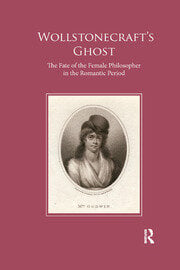
245 10|aWollstonecraft's Ghost :|bthe Fate of the Female Philosopher in the Romantic Period.
260 |aMilton, UNKNOWN :|bRoutledge,|c2016.
300 |a1 online resource (209)
336 |atext|btxt|2rdacontent
337 |acomputer|bc|2rdamedia
338 |aonline resource|bcr|2rdacarrier
520 |aFocusing on the ways in which women writers from across the political spectrum engage with and adapt Wollstonecraft's political philosophy in order to advocate feminist reform, Andrew McInnes explores the aftermath of Wollstonecraft's death, the controversial publication of William Godwin's memoir of his wife, and Wollstonecraft's reception in the early nineteenth century. McInnes positions Wollstonecraft within the context of the eighteenth-century female philosopher figure as a literary archetype used in plays, poetry, polemic and especially novels, to represent the thinking woman and address anxieties about political, religious, and sexual heterodoxy. He provides detailed analyses of the ways in which women writers such as Mary Hays, Elizabeth Hamilton, Amelia Opie, and Maria Edgeworth negotiate Wollstonecraft's reputation as personal, political, and sexual pariah to reformulate her radical politics for a post-revolutionary Britain in urgent need of reform. Frances Burney's The Wanderer and Jane Austen's Mansfield Park, McInnes suggests, work as state-of-the-nation novels, drawing on Wollstonecraft's ideas to explore a changing England. McInnes concludes with an examination of Mary Shelley's engagement with her mother throughout her career as a novelist, arguing that Shelley gradually overcomes her anxiety over her mother's stature to address Wollstonecraft's ideas with increasing confidence.
588 |aOCLC-licensed vendor bibliographic record.
600 10|aWollstonecraft, Mary,|d1759-1797|xInfluence.
650 0|aEnglish literature|y19th century|xHistory and criticism.
650 0|aEnglish literature|y18th century|xHistory and criticism.
650 0|aWomen in literature.
650 0|aWomen philosophers.
650 0|aEnglish literature|xWomen authors|xHistory and criticism.
650 0|aPhilosophy in literature.
650 0|aRomanticism|zEngland.
650 7|aLITERARY CRITICISM / Women Authors|2bisacsh
650 7|aPHILOSOPHY / General|2bisacsh
856 40|3Taylor & Francis|uhttps://www.taylorfrancis.com/books/9781315523170
856 42|3OCLC metadata license agreement|uhttp://www.oclc.org/content/dam/oclc/forms/terms/vbrl-201703.pdf
901 |aTaylor & Francis