

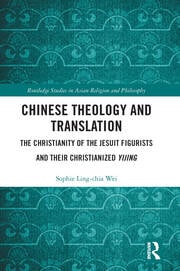
Chinese theology and translation : the Christianity of the Jesuit figurists and their Christianized Yijing / Sophie Ling-chia Wei.
ISBN
9781351060417 (epub)
1351060414
9781351060431 (ebook)
1351060430
9781351060424 (adobe pdf)
1351060422
9781351060400 (mobi)
1351060406
9781138481503 (hardback)
1351060414
9781351060431 (ebook)
1351060430
9781351060424 (adobe pdf)
1351060422
9781351060400 (mobi)
1351060406
9781138481503 (hardback)
Dil Kodu
İngilizce
Yazar
Yayın Bilgisi
New York : Routledge, 2019.
Fiziksel Niteleme
1 online resource.
Dizi
Routledge studies in Asian religion and philosophy
İçindekiler Notu
Cover; Half Title; Series Page; Title Page; Copyright Page; Dedication; Table of Contents; List of Credits; List of Figures; Foreword; Acknowledgments; Chapter 1: Introduction: Changes and non-changes in the Figurist interpretation of the Yijing; The Jesuit Figurists' encounter with the Yijing; Figurism in China; Finding the Prisca Theologia; Figurism and the Yijing; Topolects and Classical Chinese in intralingual translation; The making of Jesus in the hands of Jesuit Figurists; Different versions of manuscripts; Interaction with the Chinese literati; Numbers and charts in the Yijing
The emergence of Jesus in mythical legendsJesus-the Confucian sage; The making of Jesus in the hexagrams; The vernacular version of Jesus; Conclusion; Acknowledgments; Notes; Bibliography; Chapter 4: The classical and vernacular use of Chinese language in the Jesuit Figurists' re-interpretation of the Yijing; Introduction; Western missionaries' interests in Chinese languages and topolects; The Jesuit Figurists' use of the Yijing for exegetical decipherment of Chinese characters
A written space for communication with the Emperor: competition and cooperationManuscripts-Chinese literary garments; Conclusion; Acknowledgment; Notes; Bibliography; Chapter 6: Deciphering God's encoded messages with divine language: Jesuit Figurist theological interpretation of the Yijing's numbers; Introduction; The Jesuit Figurists' divinization of numbers; Divinization of numbers and the Kangxi Emperor; Divine numbers and charts in Figurists' proselytization; Conclusion; Acknowledgment; Notes; Bibliography; Chapter 7: Concluding remarks
The emergence of Jesus in mythical legendsJesus-the Confucian sage; The making of Jesus in the hexagrams; The vernacular version of Jesus; Conclusion; Acknowledgments; Notes; Bibliography; Chapter 4: The classical and vernacular use of Chinese language in the Jesuit Figurists' re-interpretation of the Yijing; Introduction; Western missionaries' interests in Chinese languages and topolects; The Jesuit Figurists' use of the Yijing for exegetical decipherment of Chinese characters
A written space for communication with the Emperor: competition and cooperationManuscripts-Chinese literary garments; Conclusion; Acknowledgment; Notes; Bibliography; Chapter 6: Deciphering God's encoded messages with divine language: Jesuit Figurist theological interpretation of the Yijing's numbers; Introduction; The Jesuit Figurists' divinization of numbers; Divinization of numbers and the Kangxi Emperor; Divine numbers and charts in Figurists' proselytization; Conclusion; Acknowledgment; Notes; Bibliography; Chapter 7: Concluding remarks
Özet, vb.
"This book uncovers the Jesuits mystic theological interpretation in the translation of the Book of Changes (the Yijing) in their mission in China. The book analyses how Jesuit Figurists incorporated their intra-lingual translation of the Yijing, the classical and vernacular use of Chinese language and the imitation of Chinese literati's format, and the divinization of Yijing numbers into their typological exegesis. By presenting the different ways in which Jesuit Figurists' Christianized the Yijing and crafted a Chinese version of Jesus and Christian stories onto the Chinese classics, this book reveals the value of Jesuit missionary-translators. The Chinese manuscripts the Figurists left behind became treasures which have been excavated and displayed in this book. These treasures reveal the other side of the story, the side not much shown in past scholarship on the Figurists. These handwritten manuscripts on the Christianized Yijing are a legacy which continues to impact the European understanding of Chinese history and civilization in later centuries. A first analysis of these manuscripts in Chinese, the book will be of interest to scholars working on the history of Christianity in China and East Asian Religion and Philosophy"-- Provided by publisher.
Konu
Jesuits __ Theology.
Jesuits __ Missions __ China __ History.
Yi jing.
Christianity and other religions __ Chinese.
Jesuits __ Missions __ China __ History.
Yi jing.
Christianity and other religions __ Chinese.
Veritabanı
Eseri Alıntıla
Referansları kullanmadan önce gözden geçirmeniz ve varsa gerekli düzeltmeleri yapmanız önerilir.
Dijital Kaynak
MARC Görünümü
LEADER 04654cam a22005298i 4500
001 797640
003 TR_AnAIT
005 20260123012626
006 m d | |
007 cr |||||||||||
008 190729s2019 nyu ob 001 0 eng
020 |a9781351060417|q(epub)
020 |a1351060414
020 |a9781351060431|q(ebook)
020 |a1351060430
020 |a9781351060424|q(adobe pdf)
020 |a1351060422
020 |a9781351060400|q(mobi)
020 |a1351060406
020 |z9781138481503|q(hardback)
024 8 |a10.4324/9781351060431|2doi
035 |a(OCoLC)1114272439
035 |a(OCoLC-P)1114272439
040 |aOCoLC-P|beng|erda|cOCoLC-P
041 |aeng
049 |aTürk Tarih Kurumu Kütüphanesi
050 00|aBX3746.C5
072 7|aSOC|x053000|2bisacsh
072 7|aHRA|2bicssc
082 00|a266/.251|223
100 1 |aWei, Sophie Ling-chia,|eauthor.
245 10|aChinese theology and translation :|bthe Christianity of the Jesuit figurists and their Christianized Yijing /|cSophie Ling-chia Wei.
264 1|aNew York :|bRoutledge,|c2019.
300 |a1 online resource.
336 |atext|btxt|2rdacontent
337 |acomputer|bn|2rdamedia
338 |aonline resource|bnc|2rdacarrier
490 1 |aRoutledge studies in Asian religion and philosophy
505 0 |aCover; Half Title; Series Page; Title Page; Copyright Page; Dedication; Table of Contents; List of Credits; List of Figures; Foreword; Acknowledgments; Chapter 1: Introduction: Changes and non-changes in the Figurist interpretation of the Yijing; The Jesuit Figurists' encounter with the Yijing; Figurism in China; Finding the Prisca Theologia; Figurism and the Yijing; Topolects and Classical Chinese in intralingual translation; The making of Jesus in the hands of Jesuit Figurists; Different versions of manuscripts; Interaction with the Chinese literati; Numbers and charts in the Yijing
505 8 |aThe emergence of Jesus in mythical legendsJesus-the Confucian sage; The making of Jesus in the hexagrams; The vernacular version of Jesus; Conclusion; Acknowledgments; Notes; Bibliography; Chapter 4: The classical and vernacular use of Chinese language in the Jesuit Figurists' re-interpretation of the Yijing; Introduction; Western missionaries' interests in Chinese languages and topolects; The Jesuit Figurists' use of the Yijing for exegetical decipherment of Chinese characters
505 8 |aA written space for communication with the Emperor: competition and cooperationManuscripts-Chinese literary garments; Conclusion; Acknowledgment; Notes; Bibliography; Chapter 6: Deciphering God's encoded messages with divine language: Jesuit Figurist theological interpretation of the Yijing's numbers; Introduction; The Jesuit Figurists' divinization of numbers; Divinization of numbers and the Kangxi Emperor; Divine numbers and charts in Figurists' proselytization; Conclusion; Acknowledgment; Notes; Bibliography; Chapter 7: Concluding remarks
520 |a"This book uncovers the Jesuits mystic theological interpretation in the translation of the Book of Changes (the Yijing) in their mission in China. The book analyses how Jesuit Figurists incorporated their intra-lingual translation of the Yijing, the classical and vernacular use of Chinese language and the imitation of Chinese literati's format, and the divinization of Yijing numbers into their typological exegesis. By presenting the different ways in which Jesuit Figurists' Christianized the Yijing and crafted a Chinese version of Jesus and Christian stories onto the Chinese classics, this book reveals the value of Jesuit missionary-translators. The Chinese manuscripts the Figurists left behind became treasures which have been excavated and displayed in this book. These treasures reveal the other side of the story, the side not much shown in past scholarship on the Figurists. These handwritten manuscripts on the Christianized Yijing are a legacy which continues to impact the European understanding of Chinese history and civilization in later centuries. A first analysis of these manuscripts in Chinese, the book will be of interest to scholars working on the history of Christianity in China and East Asian Religion and Philosophy"--|cProvided by publisher.
588 |aOCLC-licensed vendor bibliographic record.
610 20|aJesuits|xTheology.
610 20|aJesuits|xMissions|zChina|xHistory.
630 00|aYi jing.
650 0|aChristianity and other religions|xChinese.
856 40|3Taylor & Francis|uhttps://www.taylorfrancis.com/books/9781351060431
856 42|3OCLC metadata license agreement|uhttp://www.oclc.org/content/dam/oclc/forms/terms/vbrl-201703.pdf
901 |aTaylor & Francis
001 797640
003 TR_AnAIT
005 20260123012626
006 m d | |
007 cr |||||||||||
008 190729s2019 nyu ob 001 0 eng
020 |a9781351060417|q(epub)
020 |a1351060414
020 |a9781351060431|q(ebook)
020 |a1351060430
020 |a9781351060424|q(adobe pdf)
020 |a1351060422
020 |a9781351060400|q(mobi)
020 |a1351060406
020 |z9781138481503|q(hardback)
024 8 |a10.4324/9781351060431|2doi
035 |a(OCoLC)1114272439
035 |a(OCoLC-P)1114272439
040 |aOCoLC-P|beng|erda|cOCoLC-P
041 |aeng
049 |aTürk Tarih Kurumu Kütüphanesi
050 00|aBX3746.C5
072 7|aSOC|x053000|2bisacsh
072 7|aHRA|2bicssc
082 00|a266/.251|223
100 1 |aWei, Sophie Ling-chia,|eauthor.
245 10|aChinese theology and translation :|bthe Christianity of the Jesuit figurists and their Christianized Yijing /|cSophie Ling-chia Wei.
264 1|aNew York :|bRoutledge,|c2019.
300 |a1 online resource.
336 |atext|btxt|2rdacontent
337 |acomputer|bn|2rdamedia
338 |aonline resource|bnc|2rdacarrier
490 1 |aRoutledge studies in Asian religion and philosophy
505 0 |aCover; Half Title; Series Page; Title Page; Copyright Page; Dedication; Table of Contents; List of Credits; List of Figures; Foreword; Acknowledgments; Chapter 1: Introduction: Changes and non-changes in the Figurist interpretation of the Yijing; The Jesuit Figurists' encounter with the Yijing; Figurism in China; Finding the Prisca Theologia; Figurism and the Yijing; Topolects and Classical Chinese in intralingual translation; The making of Jesus in the hands of Jesuit Figurists; Different versions of manuscripts; Interaction with the Chinese literati; Numbers and charts in the Yijing
505 8 |aThe emergence of Jesus in mythical legendsJesus-the Confucian sage; The making of Jesus in the hexagrams; The vernacular version of Jesus; Conclusion; Acknowledgments; Notes; Bibliography; Chapter 4: The classical and vernacular use of Chinese language in the Jesuit Figurists' re-interpretation of the Yijing; Introduction; Western missionaries' interests in Chinese languages and topolects; The Jesuit Figurists' use of the Yijing for exegetical decipherment of Chinese characters
505 8 |aA written space for communication with the Emperor: competition and cooperationManuscripts-Chinese literary garments; Conclusion; Acknowledgment; Notes; Bibliography; Chapter 6: Deciphering God's encoded messages with divine language: Jesuit Figurist theological interpretation of the Yijing's numbers; Introduction; The Jesuit Figurists' divinization of numbers; Divinization of numbers and the Kangxi Emperor; Divine numbers and charts in Figurists' proselytization; Conclusion; Acknowledgment; Notes; Bibliography; Chapter 7: Concluding remarks
520 |a"This book uncovers the Jesuits mystic theological interpretation in the translation of the Book of Changes (the Yijing) in their mission in China. The book analyses how Jesuit Figurists incorporated their intra-lingual translation of the Yijing, the classical and vernacular use of Chinese language and the imitation of Chinese literati's format, and the divinization of Yijing numbers into their typological exegesis. By presenting the different ways in which Jesuit Figurists' Christianized the Yijing and crafted a Chinese version of Jesus and Christian stories onto the Chinese classics, this book reveals the value of Jesuit missionary-translators. The Chinese manuscripts the Figurists left behind became treasures which have been excavated and displayed in this book. These treasures reveal the other side of the story, the side not much shown in past scholarship on the Figurists. These handwritten manuscripts on the Christianized Yijing are a legacy which continues to impact the European understanding of Chinese history and civilization in later centuries. A first analysis of these manuscripts in Chinese, the book will be of interest to scholars working on the history of Christianity in China and East Asian Religion and Philosophy"--|cProvided by publisher.
588 |aOCLC-licensed vendor bibliographic record.
610 20|aJesuits|xTheology.
610 20|aJesuits|xMissions|zChina|xHistory.
630 00|aYi jing.
650 0|aChristianity and other religions|xChinese.
856 40|3Taylor & Francis|uhttps://www.taylorfrancis.com/books/9781351060431
856 42|3OCLC metadata license agreement|uhttp://www.oclc.org/content/dam/oclc/forms/terms/vbrl-201703.pdf
901 |aTaylor & Francis
Materyaller
Depodan talep edilen materyal sadece kütüphane içerisinde kullanılmaktadır.
Materyal dışarıya ödünç verilmemektedir.
Materyal dışarıya ödünç verilmemektedir.
