LEADER 01740cam a2200433M 4500
001 798025
003 TR_AnAIT
005 20260123013232
006 m o d
007 cr |n|||||||||
008 211210s2021 xx o 0|| 0 eng d
020 |a9781000516890|q(electronic bk.)
020 |a100051689X|q(electronic bk.)
020 |a9781000516913|q(electronic bk.)
020 |a1000516911|q(electronic bk.)
020 |a9781003252610|q(electronic bk.)
020 |a1003252613|q(electronic bk.)
020 |z1032180374
020 |z9781032180373
024 7 |a10.4324/9781003252610|2doi
035 |a(OCoLC)1288168772
035 |a(OCoLC-P)1288168772
040 |aOCoLC-P|beng|cOCoLC-P
041 |aeng
049 |aTürk Tarih Kurumu Kütüphanesi
050 4|aBD175
072 7|aPHI|x034000|2bisacsh
072 7|aHIS|x054000|2bisacsh
072 7|aHBTB|2bicssc
082 04|a121|223
100 1 |aChilde, V. Gordon|q(Vere Gordon),|d1892-1957.
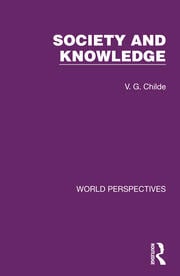
245 10|aSOCIETY AND KNOWLEDGE|h[electronic resource].
260 |a[S.l.] :|bROUTLEDGE,|c2021.
300 |a1 online resource.
490 0 |aWorld perspectives ;|v3
520 |aOriginally published in 1956, the well-known archaeologist here takes on the role of philosopher. The author argues that knowledge is a social phenomenon, and that our intellectual life is the product of social heritage: reality is the product of different opinions of various societies.
588 |aOCLC-licensed vendor bibliographic record.
650 0|aKnowledge, Theory of.
650 7|aHISTORY / Social History|2bisacsh
856 40|3Taylor & Francis|uhttps://www.taylorfrancis.com/books/9781003252610
856 42|3OCLC metadata license agreement|uhttp://www.oclc.org/content/dam/oclc/forms/terms/vbrl-201703.pdf
901 |aTaylor & Francis