LEADER 03215cam a22005418i 4500
001 798200
003 TR_AnAIT
005 20260123013553
006 m o d
007 cr |||||||||||
008 250328s2025 nyu ob 001 0 eng
020 |a9781003563525|q(ebk)
020 |a100356352X
020 |a9781040366929|q(electronic bk. : PDF)
020 |a1040366929|q(electronic bk. : PDF)
020 |a9781040366974|q(electronic bk. : EPUB)
020 |a104036697X|q(electronic bk. : EPUB)
020 |z9781032911700|q(hbk)
020 |z9781032914749|q(pbk)
024 7 |a10.4324/9781003563525|2doi
024 8 |aCIPO000233147
035 |a(OCoLC)1518699312
035 |a(OCoLC-P)1518699312
040 |aOCoLC-P|beng|erda|cOCoLC-P
041 |aeng
049 |aTürk Tarih Kurumu Kütüphanesi
050 00|aGV1493
072 7|aJMRN|2bicssc
072 7|aPSY008000|2bisacsh
072 7|aCFD|2bicssc
072 7|aPSAN|2bicssc
072 7|aJHMC|2bicssc
072 7|aPSY034000|2bisacsh
072 7|aGAM007000|2bisacsh
072 7|aPSY051000|2bisacsh
082 00|a793.7301/9|223/eng/20250505
100 1 |aDanesi, Marcel,|d1946-|eauthor.|1https://id.oclc.org/worldcat/entity/E39PBJdh4B3cVKDR6mJjkThj4q
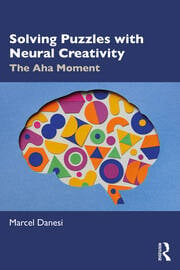
245 10|aSolving puzzles with neural creativity :|bthe aha moment /|cMarcel Danesi.
250 |aFirst edition.
264 1|aNew York, NY :|bRoutledge,|c2025.
300 |a1 online resource
336 |atext|btxt|2rdacontent
337 |acomputer|bc|2rdamedia
338 |aonline resource|bcr|2rdacarrier
520 |aThis book takes an in-depth look at the tradition of solving puzzles and considers the psychological cause and effect of the "Aha moment": that familiar flash of sudden insight. Everyone loves a good puzzle, but why is this so? Is it because puzzles provide a form of escapism from the routines of daily life? Or do they reveal something fundamental or perhaps even primal about human cognition and consciousness?In this book, Marcel Danesi considers the importance of puzzles to the study of mind and culture and explores how they stimulate creative regions of the brain. Danesi explores the history of classic puzzles across time and cultural spaces and examines the psychological link between puzzle solving, mental imagery and visualization. He takes an in-depth look at the difference between puzzles and games based on systematic reasoning, as well as the role of language meaning and structure in the solving of riddles. Overall, the book puts forward the idea that puzzles provide cognitive data on how the brain might function when processing information, via the neurocircuitry that supports creativity.Examining all kinds of puzzles including verbal, nonverbal, and mathematical, Solving Puzzles with Neural Creativity will be of great interest to students and scholars of psychology, cognitive science, neuroscience, and anthropology.
588 |aOCLC-licensed vendor bibliographic record.
650 0|aPuzzles|xPsychological aspects.
650 0|aCreative thinking.
856 40|3Taylor & Francis|uhttps://www.taylorfrancis.com/books/9781003563525
856 42|3OCLC metadata license agreement|uhttp://www.oclc.org/content/dam/oclc/forms/terms/vbrl-201703.pdf
901 |aTaylor & Francis