LEADER 02843cam a2200445M 4500
001 799197
003 TR_AnAIT
005 20260123015050
006 m o d
007 cr |n|||||||||
008 250904s2026 xx o 0|| 0 eng d
020 |a9781040422878|q(electronic bk.)
020 |a104042287X|q(electronic bk.)
020 |a9781003658511|q(electronic bk.)
020 |a1003658512|q(electronic bk.)
020 |a9781040422830|q(electronic bk. : PDF)
020 |a1040422837|q(electronic bk. : PDF)
020 |z104111155X
020 |z9781041111559
024 7 |a10.4324/9781003658511|2doi
035 |a(OCoLC)1535169731
035 |a(OCoLC-P)1535169731
040 |aOCoLC-P|beng|cOCoLC-P
041 |aeng
049 |aTürk Tarih Kurumu Kütüphanesi
050 4|aB126
072 7|aHPD|2bicssc
072 7|aPHI000000|2bisacsh
072 7|aHRKN|2bicssc
072 7|aHRE|2bicssc
072 7|aHBJF|2bicssc
072 7|aGTB|2bicssc
072 7|aHRA|2bicssc
082 04|a181/.11|223/eng/20251008
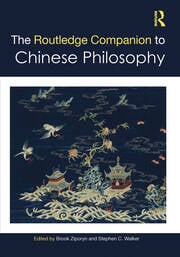
245 00|aROUTLEDGE COMPANION TO CHINESE PHILOSOPHY|h[electronic resource].
260 |a[S.l.] :|bROUTLEDGE,|c2026.
300 |a1 online resource
520 |aThe Routledge Companion to Chinese Philosophy features more than 40 chapter-length introductions to the concepts, claims, and arguments that animate the Chinese philosophical tradition. Taking a topic-by-topic rather than text-by-text approach, this Companion aims at helping contemporary Anglophone readers access the philosophical riches of the Chinese tradition by balancing close analysis with broad contextualization.The book is divided into four "Acts" that reflect system-level changes in how the Chinese philosophical conversation has been conducted: Act I draws primarily on pre-imperial texts, foregrounding competition among persuaders in the absence of a geographical or canonical center of gravity. Act II focuses on the early imperial centralization of intellectual culture around the corpus of Confucian classics. Act III restructures the conversation space according to the radically innovative priorities of Buddhism. Act IV focuses on Neo-Confucianism, which combines some of the priorities of Act II with the ongoing legacy of Act III. Within each Act, contributors focus on topics like religious and political thought, ethics and self-cultivation, philosophical anthropology and theory of agency, language, epistemology, metaphysics, hermeneutics, and debate. This volume is essential reading for students, academics, and philosophers with an interest in Chinese philosophy.
588 |aOCLC-licensed vendor bibliographic record.
650 0|aPhilosophy, Chinese.
856 40|3Taylor & Francis|uhttps://www.taylorfrancis.com/books/9781003658511
856 42|3OCLC metadata license agreement|uhttp://www.oclc.org/content/dam/oclc/forms/terms/vbrl-201703.pdf
901 |aTaylor & Francis