

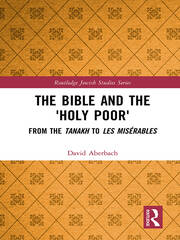
The Bible and the 'holy poor' : from the Tanakh to Les Misérables / David Aberbach.
Erişim Adresi
ISBN
9781315149677 (e-book : PDF)
9781351369794 (e-book: Mobi)
9781138555709 (hardback)
9781351369794 (e-book: Mobi)
9781138555709 (hardback)
Dil Kodu
İngilizce
Yazar
Yayın Bilgisi
New York, NY : Routledge, [2018]
©2018
©2018
Fiziksel Niteleme
1 online resource
Dizi
Routledge Jewish studies series
İçindekiler Notu
chapter Introduction -- chapter 1 Biblical law and the poor -- chapter 2 Inequality and the Bible -- chapter 3 The Bible and the poor -- chapter 4 The Bible and European Poor Law -- chapter 5 How closely were laws on the poor observed in the biblical age? -- chapter 6 Subversion of the social order in the Hebrew Bible -- chapter 7 The Bible and poverty: a contrast with ancient Greece / and Rome -- chapter 8 The Bible, the poor and Christian Europe -- chapter 9 Ancient prophets, modern economists -- chapter 10 The superior status of the poor in the Hebrew Bible -- chapter 11 The decline of the ‘holy poor’ in Rabbinic Judaism -- chapter 12 The Bible and Christian views of the poor -- chapter 13 The 16th-century turn against the ‘Apostolic Poor’ -- chapter 14 Vernacular Scripture, the Reformation and the poor -- chapter 15 The Bible and literary compassion for the poor -- chapter 16 On the ‘false’ poor -- chapter 17 Mendele and the damned poor -- chapter 18 Why are there no deceitful poor in the Bible?.
Özet, vb.
"The Hebrew Bible is the main legislative and literary influence on European Poor Law and on literature on poverty and the poor. No extant literature from the ancient world placed more importance upon social welfare and the duty of the better-off toward the poor. It is the founding text for liberation theory. This book assesses why the Bible is so unambiguously positive in its view of the poor, unlike most later literary and legislative works. It seeks to understand what historical circumstances brought about this elevated perception of the poor, by exploring the clash of ideals and realities in the depiction of the poor in the Hebrew Bible and in European culture. Most legal and literary portrayals of the poor tend to be critical, associating the poor with laziness, crime or fraud: why is this not the case in the Bible? Most societies have tended to accept poverty as a natural condition, but not the Bible. The idea of ending poverty starts in the Bible - the Psalms above all inspired a daily struggle to limit the gap between rich and poor. Much of the Bible sees life - most unusually in the history of civilizations - through the eyes of the poor. The book argues that the popular appeal of the Bible in largely impoverished societies lies in its persistent relevance to, and support of, the poor. Yet, in many ways, biblical teachings were incompatible with social and political circumstances centuries and millennia later. Written in a clear, accessible style, the book shows how the Hebrew Bible, in its legislation and impassioned prophetic poetry, inspired the battle to 'make poverty history', to give dignity and hope to the poor and fight inequality. It will appeal to students and scholars of Jewish Studies, the Bible and Comparative Literature, and Development Studies"-- Provided by publisher.
Konu
Bible. __ Old Testament __ Criticism, interpretation, etc.
Poverty in the Bible.
Poor __ Biblical teaching.
Poverty in the Bible.
Poor __ Biblical teaching.
Veritabanı
Eseri Alıntıla
Referansları kullanmadan önce gözden geçirmeniz ve varsa gerekli düzeltmeleri yapmanız önerilir.
Dijital Kaynak
MARC Görünümü
LEADER 04072cam a2200337Ii 4500
001 801250
003 TR_AnAIT
005 20260123022120
008 180706s2018 nyu ob 001 0 eng d
020 |a9781315149677|q(e-book : PDF)
020 |a9781351369794|q(e-book: Mobi)
020 |z9781138555709|q(hardback)
024 7 |a10.4324/9781315149677 |2doi
035 |a(OCoLC)1005696482
040 |aFlBoTFG|cFlBoTFG|erda
041 |aeng
049 |aTürk Tarih Kurumu Kütüphanesi
050 4|aBS1199.P64|bA24 2018
082 04|a220.8305569|bA143
100 1 |aAberbach, David,|d1953-,|eauthor.
245 14|aThe Bible and the 'holy poor' :|bfrom the Tanakh to Les Misérables /|cDavid Aberbach.
264 1|aNew York, NY :|bRoutledge,|c[2018]
264 4|c©2018
300 |a1 online resource
336 |atext|2rdacontent
337 |acomputer|2rdamedia
338 |aonline resource|2rdacarrier
490 0 |aRoutledge Jewish studies series
505 00|tchapter Introduction -- |tchapter 1 Biblical law and the poor -- |tchapter 2 Inequality and the Bible -- |tchapter 3 The Bible and the poor -- |tchapter 4 The Bible and European Poor Law -- |tchapter 5 How closely were laws on the poor observed in the biblical age? -- |tchapter 6 Subversion of the social order in the Hebrew Bible -- |tchapter 7 The Bible and poverty: a contrast with ancient Greece /|rand Rome -- |tchapter 8 The Bible, the poor and Christian Europe -- |tchapter 9 Ancient prophets, modern economists -- |tchapter 10 The superior status of the poor in the Hebrew Bible -- |tchapter 11 The decline of the ‘holy poor’ in Rabbinic Judaism -- |tchapter 12 The Bible and Christian views of the poor -- |tchapter 13 The 16th-century turn against the ‘Apostolic Poor’ -- |tchapter 14 Vernacular Scripture, the Reformation and the poor -- |tchapter 15 The Bible and literary compassion for the poor -- |tchapter 16 On the ‘false’ poor -- |tchapter 17 Mendele and the damned poor -- |tchapter 18 Why are there no deceitful poor in the Bible?.
520 |a"The Hebrew Bible is the main legislative and literary influence on European Poor Law and on literature on poverty and the poor. No extant literature from the ancient world placed more importance upon social welfare and the duty of the better-off toward the poor. It is the founding text for liberation theory. This book assesses why the Bible is so unambiguously positive in its view of the poor, unlike most later literary and legislative works. It seeks to understand what historical circumstances brought about this elevated perception of the poor, by exploring the clash of ideals and realities in the depiction of the poor in the Hebrew Bible and in European culture. Most legal and literary portrayals of the poor tend to be critical, associating the poor with laziness, crime or fraud: why is this not the case in the Bible? Most societies have tended to accept poverty as a natural condition, but not the Bible. The idea of ending poverty starts in the Bible - the Psalms above all inspired a daily struggle to limit the gap between rich and poor. Much of the Bible sees life - most unusually in the history of civilizations - through the eyes of the poor. The book argues that the popular appeal of the Bible in largely impoverished societies lies in its persistent relevance to, and support of, the poor. Yet, in many ways, biblical teachings were incompatible with social and political circumstances centuries and millennia later. Written in a clear, accessible style, the book shows how the Hebrew Bible, in its legislation and impassioned prophetic poetry, inspired the battle to 'make poverty history', to give dignity and hope to the poor and fight inequality. It will appeal to students and scholars of Jewish Studies, the Bible and Comparative Literature, and Development Studies"--|cProvided by publisher.
630 00|aBible.|pOld Testament|xCriticism, interpretation, etc.
650 0|aPoverty in the Bible.
650 0|aPoor|xBiblical teaching.
776 08|iPrint version: |z9781138555709|w(DLC) 2017030211
856 40|uhttps://www.taylorfrancis.com/books/9781315149677|zClick here to view.
901 |aTaylor & Francis
001 801250
003 TR_AnAIT
005 20260123022120
008 180706s2018 nyu ob 001 0 eng d
020 |a9781315149677|q(e-book : PDF)
020 |a9781351369794|q(e-book: Mobi)
020 |z9781138555709|q(hardback)
024 7 |a10.4324/9781315149677 |2doi
035 |a(OCoLC)1005696482
040 |aFlBoTFG|cFlBoTFG|erda
041 |aeng
049 |aTürk Tarih Kurumu Kütüphanesi
050 4|aBS1199.P64|bA24 2018
082 04|a220.8305569|bA143
100 1 |aAberbach, David,|d1953-,|eauthor.
245 14|aThe Bible and the 'holy poor' :|bfrom the Tanakh to Les Misérables /|cDavid Aberbach.
264 1|aNew York, NY :|bRoutledge,|c[2018]
264 4|c©2018
300 |a1 online resource
336 |atext|2rdacontent
337 |acomputer|2rdamedia
338 |aonline resource|2rdacarrier
490 0 |aRoutledge Jewish studies series
505 00|tchapter Introduction -- |tchapter 1 Biblical law and the poor -- |tchapter 2 Inequality and the Bible -- |tchapter 3 The Bible and the poor -- |tchapter 4 The Bible and European Poor Law -- |tchapter 5 How closely were laws on the poor observed in the biblical age? -- |tchapter 6 Subversion of the social order in the Hebrew Bible -- |tchapter 7 The Bible and poverty: a contrast with ancient Greece /|rand Rome -- |tchapter 8 The Bible, the poor and Christian Europe -- |tchapter 9 Ancient prophets, modern economists -- |tchapter 10 The superior status of the poor in the Hebrew Bible -- |tchapter 11 The decline of the ‘holy poor’ in Rabbinic Judaism -- |tchapter 12 The Bible and Christian views of the poor -- |tchapter 13 The 16th-century turn against the ‘Apostolic Poor’ -- |tchapter 14 Vernacular Scripture, the Reformation and the poor -- |tchapter 15 The Bible and literary compassion for the poor -- |tchapter 16 On the ‘false’ poor -- |tchapter 17 Mendele and the damned poor -- |tchapter 18 Why are there no deceitful poor in the Bible?.
520 |a"The Hebrew Bible is the main legislative and literary influence on European Poor Law and on literature on poverty and the poor. No extant literature from the ancient world placed more importance upon social welfare and the duty of the better-off toward the poor. It is the founding text for liberation theory. This book assesses why the Bible is so unambiguously positive in its view of the poor, unlike most later literary and legislative works. It seeks to understand what historical circumstances brought about this elevated perception of the poor, by exploring the clash of ideals and realities in the depiction of the poor in the Hebrew Bible and in European culture. Most legal and literary portrayals of the poor tend to be critical, associating the poor with laziness, crime or fraud: why is this not the case in the Bible? Most societies have tended to accept poverty as a natural condition, but not the Bible. The idea of ending poverty starts in the Bible - the Psalms above all inspired a daily struggle to limit the gap between rich and poor. Much of the Bible sees life - most unusually in the history of civilizations - through the eyes of the poor. The book argues that the popular appeal of the Bible in largely impoverished societies lies in its persistent relevance to, and support of, the poor. Yet, in many ways, biblical teachings were incompatible with social and political circumstances centuries and millennia later. Written in a clear, accessible style, the book shows how the Hebrew Bible, in its legislation and impassioned prophetic poetry, inspired the battle to 'make poverty history', to give dignity and hope to the poor and fight inequality. It will appeal to students and scholars of Jewish Studies, the Bible and Comparative Literature, and Development Studies"--|cProvided by publisher.
630 00|aBible.|pOld Testament|xCriticism, interpretation, etc.
650 0|aPoverty in the Bible.
650 0|aPoor|xBiblical teaching.
776 08|iPrint version: |z9781138555709|w(DLC) 2017030211
856 40|uhttps://www.taylorfrancis.com/books/9781315149677|zClick here to view.
901 |aTaylor & Francis
Materyaller
Depodan talep edilen materyal sadece kütüphane içerisinde kullanılmaktadır.
Materyal dışarıya ödünç verilmemektedir.
Materyal dışarıya ödünç verilmemektedir.
