LEADER 03576cam a2200397Ii 4500
001 801425
003 TR_AnAIT
005 20260123022341
008 180706s2016 enka ob 001 0 eng d
020 |a9781315604343|q(e-book : PDF)
020 |a9781317069294|q(e-book: Mobi)
020 |a9781317069300|q(e-book: ePub)
020 |z9781409435907|q(hardback)
024 7 |a10.4324/9781315604343 |2doi
035 |a(OCoLC)945552550
040 |aFlBoTFG|cFlBoTFG|erda
041 |aeng
043 |ae-uk---|ae-fr---
049 |aTürk Tarih Kurumu Kütüphanesi
050 4|aPR769|b.M68 2016
082 04|a820.9382719|bM934
100 1 |aMoutray, Tonya.,|eauthor.
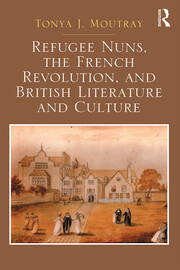
245 10|aRefugee nuns, the French Revolution, and British literature and culture /|cTonya J. Moutray.
264 1|aLondon ;|aNew York :|bRoutledge,|c2016.
300 |a1 online resource (154 pages)
336 |atext|2rdacontent
337 |acomputer|2rdamedia
338 |aonline resource|2rdacarrier
505 0 |a1. Encountering convents abroad : Hester Thrale Piozzi, Ann Radcliffe, William Cole, Samuel Paterson, and Philip Thicknesse -- 2. Spoiled economies and violated virgins : the Benedictines of Montargis, Abbé Augustin Barruel, and the French emigration -- 3. Resistant virtue in flight : the Blue Nuns, Helen Maria Williams, and reluctant returns -- 4. Refugee resources and competitive curricula : Frances Burney, Charlotte Smith, and the Augustinians of Bruges.
520 |a"In eighteenth-century literature, negative representations of Catholic nuns and convents were pervasive. Yet, during the politico-religious crises initiated by the French Revolution, a striking literary shift took place as British writers championed the cause of nuns, lauded their socially relevant work, and addressed the attraction of the convent for British women. Interactions with Catholic religious, including priests and nuns, Tonya J Moutray argues, motivated writers, including Hester Thrale Piozzi, Helen Maria Williams, and Charlotte Smith, to revaluate the historical and contemporary utility of religious refugees. Beyond an analysis of literary texts, Moutray's study also examines nuns' personal and collective narratives, as well as news coverage of their arrival to England, enabling a nuanced investigation of a range of issues, including nuns' displacement and imprisonment in France, their rhetorical and practical strategies to resist authorities, representations of refugee migration to and resettlement in England, relationships with benefactors and locals, and the legal status of "English" nuns and convents in England, including their work in recruitment and education. Moutray shows how writers and the media negotiated the multivalent figure of the nun during the 1790s, shaping British perceptions of nuns and convents during a time critical to their survival" --|cProvided by publisher.
650 0|aTravelers' writings, English|y18th century|xHistory and criticism.
650 0|aEnglish prose literature|y18th century|xHistory and criticism.
650 0|aMonasticism and religious orders for women|zFrance|xHistory|y18th century|xPublic opinion.
650 0|aMonasticism and religious orders for women|zEngland|xHistory|y18th century|xPublic opinion.
650 0|aBritish|xPublic opinion|xHistory|y18th century.
650 0|aBritish|xAttitudes|xHistory|y18th century.
650 0|aProtestants|yEngland|xAttitudes|xHistory|y18th century.
650 0|aLiterature and society|zEngland|xHistory|y18th century.
776 08|iPrint version: |z9781409435907|w(DLC) 2015039368
856 40|uhttps://www.taylorfrancis.com/books/9781315604343|zClick here to view.
901 |aTaylor & Francis