LEADER 03548cam a2200385Ii 4500
001 802287
003 TR_AnAIT
005 20260123023738
008 180706s20182017flu b ob 001 0 eng d
020 |a9781315269238|q(e-book : PDF)
020 |a9781138400429|q(e-book)
020 |a9781351978415|q(e-book: Mobi)
020 |z9781138284845|q(hardback)
024 7 |a10.4324/9781138400429 |2doi
035 |a(OCoLC)1023600111
040 |aFlBoTFG|cFlBoTFG|erda
041 |aeng
049 |aTürk Tarih Kurumu Kütüphanesi
050 4|aS494.5.P47
072 7|aBUS|x072000 |2bisacsh
072 7|aNAT|x010000 |2bisacsh
082 04|a631.5/8|223
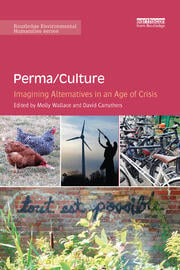
245 00|aPerma/culture: :|bimagining alternatives in an age of crisis /|cedited by Molly Wallace and David Carruthers.
250 |aFirst edition.
264 1|aBoca Raton, FL :|bRoutledge, an imprint of Taylor and Francis,|c[2018].
264 4|c©2017
300 |a1 online resource (252 pages)
336 |atext|2rdacontent
337 |acomputer|2rdamedia
338 |aonline resource|2rdacarrier
505 00|t|tchapter Introduction -- |tPerma/Culture /|rMolly Wallace -- |tpart I Pattern languages -- |tchapter 1 A pain in the neck and permacultural subjectivity /|rAndrea Most -- |tchapter 2 Bringing forth an ecotopian future -- |tThe production of imagined futures through contemporary cultural practices /|rStephen Zavestoski -- |tchapter 3 Reclaiming accountability from hypertechnocivility, to grow again the flowering Earth /|rPatrick Jones -- |tchapter 4 Murray River Country -- |tChallenging water management practices to (re)invent place /|rCamille Roulie?re -- |tchapter 5 Wild urban green spaces as seen through Montreal s “Wild City Mapping” project /|rDominique Ferraton -- |tpart II Transitions in practice -- |tchapter 6 The art of permatravel /|rNina Gartrell -- |tchapter 7 Momentum in the age of sustainability -- |tBuilding up and burning out in a transition town /|rEmily Polk -- |tchapter 8 “Fracking is stoppable, another world is possible” /|rClaire Males -- |tchapter 9 The problem with money -- |tPossibilities for alternative, sustainable, non-monetary economies /|rGeorge Price -- |tpart III Revolution disguised as gardening -- |tchapter 10 A war against weeds -- |tCombating climate change with polycultural pacifism /|rDavid Carruthers -- |tchapter 11 Regeneration -- |tLoss and reclamation in African-American agrarianism /|rLeah Penniman -- |tchapter 12 Defining the process of re-indigenization through soil communities /|rRuth Lapp -- |tchapter 13 Sharing food, sharing knowledge -- |tFood and agriculture in contemporary art practices /|rAmanda White -- |tchapter 14 The end(s) of freeganism and the cultural production of food waste /|rLeda Cooks -- |tchapter Poem -- |tthe Gleaner difference /|rNatalie Joelle -- |tchapter Afterword -- |tGleanings /|rMolly Wallace.
520 3 |aIn the face of what seems like a concerted effort to destroy the only planet that can sustain us, critique is an important tool. It is in this vein that most scholars have approached environmental crisis. While there are numerous texts that chronicle contemporary issues in environmental ills, there are relatively few that explore the possibilities and practices which work to avoid collapse and build alternatives.
650 0|aPermaculture.
650 0|aSustainable agriculture|xSocial aspects.
700 1 |aCarruthers, David V.|eeditor.
700 1 |aWallace, Molly,|eeditor.
710 2 |aTaylor and Francis.
776 08|iPrint version: |z9781138284845
856 40|uhttps://www.taylorfrancis.com/books/9781315269238|zClick here to view.
901 |aTaylor & Francis