

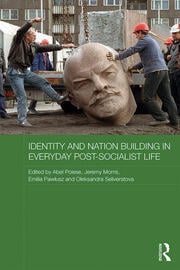
Identity and Nation Building in Everyday Post-Socialist Life / Abel Polese.
ISBN
9781315185880 (e-book ; PDF)
1315185881 (e-book ; PDF)
1315185881 (e-book ; PDF)
Dil Kodu
İngilizce
Yazar
Basım Bildirimi
First edition.
Yayın Bilgisi
London : Taylor and Francis, 2017.
Fiziksel Niteleme
1 online resource : text file, PDF.
Dizi
Routledge Contemporary Russia and Eastern Europe Series
İçindekiler Notu
Cover; Half Title; Title Page; Copyright Page; Table of Contents; List of figures; List of contributors; Acknowledgements; Introduction: on informal and spontaneous national identities; The loci of national identity; The informal faces of identity construction; Notes on the everyday; Structure of the book and main themes; National discourses and everyday life politics; Notes; References; Part I: Music and cultural events; Chapter 1: Formal and informal nationalism: jazz performances in Azerbaijan; Research starting point; 'Proletarian jazz': forerunners of Azerbaijani jazz.
Jazz in Baku in the early 21st centuryJazz festivals: the nationalization of jazz; Jazz pop; The social status of jazz; Conclusion; Notes; References; Chapter 2: Can musicians build the nation? Popular music and identity in Estonia; Introduction; Music and national identity; Music and politics in Estonia; Folk songs, kannels and independence: Major features of Metsatöll's music; Estonianness in musical performance: the example of the 'Course Upon Iron' concert; Discourses and reception of Metsatöll; Conclusions; Acknowledgements; Funding; Notes; References.
Chapter 3: The Georgian National Museum and the Museum of Soviet Occupation as loci of informal nation buildingIntroduction; Nationalism in post-Soviet Georgia; New start for old museums; Being 'Museumeli': self-reflection and methodology; Museums in Georgia: a brief history; Re-presenting history: Museum of Soviet Occupation; Telling the 'real history': nationalism in action; Conclusion; References; Archival material; Web sources; Part II: Consumer practices; Chapter 4: Made in Ukraine: consumer citizenship during EuroMaidan transformations; Theoretical perspectives.
EuroMaidan and the European dimension of Ukrainian identityThe state in the eyes of consumers; Politicized consumer practices: from street protest to economic actions; Case study: boycott as consumer activism; Case study: buycott and rediscovery of Ukraine; Conclusions; Notes; References; Chapter 5: National food, belonging, and identity among Russian-speaking migrants in the UK; Introduction; Diasporic homes and foodways in immigration; Researching food in the Russian migrant context; The practices surrounding the bringing and consuming national food.
Maintaining the exclusivity and authenticity of Russian foodRussian, Soviet, and post-Soviet diasporic foodways; Conclusion; Notes; References; Chapter 6: Consumer citizenship and reproduction of Estonianness; Introduction; From the worldwide to area literature; National identity at the dinner table; Acceptance; Denial; Competition; Conclusions; Notes; References; Part III: National discourses in everyday life; Chapter 7: How to pronounce 'Belarusian'? Negotiating identity through naming; Introduction; Research methodology; The history of searching for the name.
Jazz in Baku in the early 21st centuryJazz festivals: the nationalization of jazz; Jazz pop; The social status of jazz; Conclusion; Notes; References; Chapter 2: Can musicians build the nation? Popular music and identity in Estonia; Introduction; Music and national identity; Music and politics in Estonia; Folk songs, kannels and independence: Major features of Metsatöll's music; Estonianness in musical performance: the example of the 'Course Upon Iron' concert; Discourses and reception of Metsatöll; Conclusions; Acknowledgements; Funding; Notes; References.
Chapter 3: The Georgian National Museum and the Museum of Soviet Occupation as loci of informal nation buildingIntroduction; Nationalism in post-Soviet Georgia; New start for old museums; Being 'Museumeli': self-reflection and methodology; Museums in Georgia: a brief history; Re-presenting history: Museum of Soviet Occupation; Telling the 'real history': nationalism in action; Conclusion; References; Archival material; Web sources; Part II: Consumer practices; Chapter 4: Made in Ukraine: consumer citizenship during EuroMaidan transformations; Theoretical perspectives.
EuroMaidan and the European dimension of Ukrainian identityThe state in the eyes of consumers; Politicized consumer practices: from street protest to economic actions; Case study: boycott as consumer activism; Case study: buycott and rediscovery of Ukraine; Conclusions; Notes; References; Chapter 5: National food, belonging, and identity among Russian-speaking migrants in the UK; Introduction; Diasporic homes and foodways in immigration; Researching food in the Russian migrant context; The practices surrounding the bringing and consuming national food.
Maintaining the exclusivity and authenticity of Russian foodRussian, Soviet, and post-Soviet diasporic foodways; Conclusion; Notes; References; Chapter 6: Consumer citizenship and reproduction of Estonianness; Introduction; From the worldwide to area literature; National identity at the dinner table; Acceptance; Denial; Competition; Conclusions; Notes; References; Part III: National discourses in everyday life; Chapter 7: How to pronounce 'Belarusian'? Negotiating identity through naming; Introduction; Research methodology; The history of searching for the name.
Özet, vb.
"This book explores the function of the "everyday" in the formation, consolidation and performance of national, sub-national and local identities in the former socialist region. Based on extensive original research including fieldwork, the book demonstrates how the study of everyday and mundane practices is a meaningful and useful way of understanding the socio-political processes of identity formation both at the top and bottom level of a state. The book covers a wide range of countries including the Baltic States, Ukraine, Russia, the Caucasus and Central Asia, and considers "everyday" banal practices, including those related to consumption, kinship, embodiment, mobility, music, and the use of objects and artifacts. Overall, the book draws on, and contributes to, theory; and shows how the process of nation-building is not just undertaken by formal actors, such as the state, its institutions and political elites."--Provided by publisher.
Konu
Nationalism __ Former Soviet republics.
Group identity __ Former Soviet republics.
Nation-building __ Former Soviet republics.
Post-communism __ Former Soviet republics.
Group identity __ Former Soviet republics.
Nation-building __ Former Soviet republics.
Post-communism __ Former Soviet republics.
Diğer Yazarlar
Veritabanı
Eseri Alıntıla
Referansları kullanmadan önce gözden geçirmeniz ve varsa gerekli düzeltmeleri yapmanız önerilir.
Dijital Kaynak
MARC Görünümü
LEADER 05508cam a2200493Mi 4500
001 803217
003 TR_AnAIT
005 20260123235220
006 m o d
007 cr cn|||||||||
008 170717s2017 enk o 000 0 eng d
020 |a9781315185880|q(e-book ;|qPDF)
020 |a1315185881|q(e-book ;|qPDF)
035 |a(OCoLC)993971297|z(OCoLC)1004934759
035 |a(OCoLC-P)993971297
040 |aOCoLC-P|beng|erda|epn|cOCoLC-P
041 |aeng
049 |aTürk Tarih Kurumu Kütüphanesi
050 4|aDK293|b.P654 2017
082 04|a306.20947
100 1 |aPolese, Abel,|eauthor.
245 10|aIdentity and Nation Building in Everyday Post-Socialist Life /|cAbel Polese.
250 |aFirst edition.
264 1|aLondon :|bTaylor and Francis,|c2017.
300 |a1 online resource :|btext file, PDF.
336 |atext|btxt|2rdacontent
337 |acomputer|bc|2rdamedia
338 |aonline resource|bcr|2rdacarrier
490 0 |aRoutledge Contemporary Russia and Eastern Europe Series
505 0 |aCover; Half Title; Title Page; Copyright Page; Table of Contents; List of figures; List of contributors; Acknowledgements; Introduction: on informal and spontaneous national identities; The loci of national identity; The informal faces of identity construction; Notes on the everyday; Structure of the book and main themes; National discourses and everyday life politics; Notes; References; Part I: Music and cultural events; Chapter 1: Formal and informal nationalism: jazz performances in Azerbaijan; Research starting point; 'Proletarian jazz': forerunners of Azerbaijani jazz.
505 8 |aJazz in Baku in the early 21st centuryJazz festivals: the nationalization of jazz; Jazz pop; The social status of jazz; Conclusion; Notes; References; Chapter 2: Can musicians build the nation? Popular music and identity in Estonia; Introduction; Music and national identity; Music and politics in Estonia; Folk songs, kannels and independence: Major features of Metsatöll's music; Estonianness in musical performance: the example of the 'Course Upon Iron' concert; Discourses and reception of Metsatöll; Conclusions; Acknowledgements; Funding; Notes; References.
505 8 |aChapter 3: The Georgian National Museum and the Museum of Soviet Occupation as loci of informal nation buildingIntroduction; Nationalism in post-Soviet Georgia; New start for old museums; Being 'Museumeli': self-reflection and methodology; Museums in Georgia: a brief history; Re-presenting history: Museum of Soviet Occupation; Telling the 'real history': nationalism in action; Conclusion; References; Archival material; Web sources; Part II: Consumer practices; Chapter 4: Made in Ukraine: consumer citizenship during EuroMaidan transformations; Theoretical perspectives.
505 8 |aEuroMaidan and the European dimension of Ukrainian identityThe state in the eyes of consumers; Politicized consumer practices: from street protest to economic actions; Case study: boycott as consumer activism; Case study: buycott and rediscovery of Ukraine; Conclusions; Notes; References; Chapter 5: National food, belonging, and identity among Russian-speaking migrants in the UK; Introduction; Diasporic homes and foodways in immigration; Researching food in the Russian migrant context; The practices surrounding the bringing and consuming national food.
505 8 |aMaintaining the exclusivity and authenticity of Russian foodRussian, Soviet, and post-Soviet diasporic foodways; Conclusion; Notes; References; Chapter 6: Consumer citizenship and reproduction of Estonianness; Introduction; From the worldwide to area literature; National identity at the dinner table; Acceptance; Denial; Competition; Conclusions; Notes; References; Part III: National discourses in everyday life; Chapter 7: How to pronounce 'Belarusian'? Negotiating identity through naming; Introduction; Research methodology; The history of searching for the name.
520 2 |a"This book explores the function of the "everyday" in the formation, consolidation and performance of national, sub-national and local identities in the former socialist region. Based on extensive original research including fieldwork, the book demonstrates how the study of everyday and mundane practices is a meaningful and useful way of understanding the socio-political processes of identity formation both at the top and bottom level of a state. The book covers a wide range of countries including the Baltic States, Ukraine, Russia, the Caucasus and Central Asia, and considers "everyday" banal practices, including those related to consumption, kinship, embodiment, mobility, music, and the use of objects and artifacts. Overall, the book draws on, and contributes to, theory; and shows how the process of nation-building is not just undertaken by formal actors, such as the state, its institutions and political elites."--Provided by publisher.
588 |aOCLC-licensed vendor bibliographic record.
650 0|aNationalism|zFormer Soviet republics.
650 0|aGroup identity|zFormer Soviet republics.
650 0|aNation-building|zFormer Soviet republics.
650 0|aPost-communism|zFormer Soviet republics.
700 1 |aMorris, Jeremy.
700 1 |aPawłusz, Emilia.
700 1 |aSeliverstova, Oleksandra.
856 40|3Taylor & Francis|uhttps://www.taylorfrancis.com/books/9781315185880
856 42|3OCLC metadata license agreement|uhttp://www.oclc.org/content/dam/oclc/forms/terms/vbrl-201703.pdf
901 |aTaylor & Francis
938 |aTaylor & Francis|bTAFR|n9781315185880
001 803217
003 TR_AnAIT
005 20260123235220
006 m o d
007 cr cn|||||||||
008 170717s2017 enk o 000 0 eng d
020 |a9781315185880|q(e-book ;|qPDF)
020 |a1315185881|q(e-book ;|qPDF)
035 |a(OCoLC)993971297|z(OCoLC)1004934759
035 |a(OCoLC-P)993971297
040 |aOCoLC-P|beng|erda|epn|cOCoLC-P
041 |aeng
049 |aTürk Tarih Kurumu Kütüphanesi
050 4|aDK293|b.P654 2017
082 04|a306.20947
100 1 |aPolese, Abel,|eauthor.
245 10|aIdentity and Nation Building in Everyday Post-Socialist Life /|cAbel Polese.
250 |aFirst edition.
264 1|aLondon :|bTaylor and Francis,|c2017.
300 |a1 online resource :|btext file, PDF.
336 |atext|btxt|2rdacontent
337 |acomputer|bc|2rdamedia
338 |aonline resource|bcr|2rdacarrier
490 0 |aRoutledge Contemporary Russia and Eastern Europe Series
505 0 |aCover; Half Title; Title Page; Copyright Page; Table of Contents; List of figures; List of contributors; Acknowledgements; Introduction: on informal and spontaneous national identities; The loci of national identity; The informal faces of identity construction; Notes on the everyday; Structure of the book and main themes; National discourses and everyday life politics; Notes; References; Part I: Music and cultural events; Chapter 1: Formal and informal nationalism: jazz performances in Azerbaijan; Research starting point; 'Proletarian jazz': forerunners of Azerbaijani jazz.
505 8 |aJazz in Baku in the early 21st centuryJazz festivals: the nationalization of jazz; Jazz pop; The social status of jazz; Conclusion; Notes; References; Chapter 2: Can musicians build the nation? Popular music and identity in Estonia; Introduction; Music and national identity; Music and politics in Estonia; Folk songs, kannels and independence: Major features of Metsatöll's music; Estonianness in musical performance: the example of the 'Course Upon Iron' concert; Discourses and reception of Metsatöll; Conclusions; Acknowledgements; Funding; Notes; References.
505 8 |aChapter 3: The Georgian National Museum and the Museum of Soviet Occupation as loci of informal nation buildingIntroduction; Nationalism in post-Soviet Georgia; New start for old museums; Being 'Museumeli': self-reflection and methodology; Museums in Georgia: a brief history; Re-presenting history: Museum of Soviet Occupation; Telling the 'real history': nationalism in action; Conclusion; References; Archival material; Web sources; Part II: Consumer practices; Chapter 4: Made in Ukraine: consumer citizenship during EuroMaidan transformations; Theoretical perspectives.
505 8 |aEuroMaidan and the European dimension of Ukrainian identityThe state in the eyes of consumers; Politicized consumer practices: from street protest to economic actions; Case study: boycott as consumer activism; Case study: buycott and rediscovery of Ukraine; Conclusions; Notes; References; Chapter 5: National food, belonging, and identity among Russian-speaking migrants in the UK; Introduction; Diasporic homes and foodways in immigration; Researching food in the Russian migrant context; The practices surrounding the bringing and consuming national food.
505 8 |aMaintaining the exclusivity and authenticity of Russian foodRussian, Soviet, and post-Soviet diasporic foodways; Conclusion; Notes; References; Chapter 6: Consumer citizenship and reproduction of Estonianness; Introduction; From the worldwide to area literature; National identity at the dinner table; Acceptance; Denial; Competition; Conclusions; Notes; References; Part III: National discourses in everyday life; Chapter 7: How to pronounce 'Belarusian'? Negotiating identity through naming; Introduction; Research methodology; The history of searching for the name.
520 2 |a"This book explores the function of the "everyday" in the formation, consolidation and performance of national, sub-national and local identities in the former socialist region. Based on extensive original research including fieldwork, the book demonstrates how the study of everyday and mundane practices is a meaningful and useful way of understanding the socio-political processes of identity formation both at the top and bottom level of a state. The book covers a wide range of countries including the Baltic States, Ukraine, Russia, the Caucasus and Central Asia, and considers "everyday" banal practices, including those related to consumption, kinship, embodiment, mobility, music, and the use of objects and artifacts. Overall, the book draws on, and contributes to, theory; and shows how the process of nation-building is not just undertaken by formal actors, such as the state, its institutions and political elites."--Provided by publisher.
588 |aOCLC-licensed vendor bibliographic record.
650 0|aNationalism|zFormer Soviet republics.
650 0|aGroup identity|zFormer Soviet republics.
650 0|aNation-building|zFormer Soviet republics.
650 0|aPost-communism|zFormer Soviet republics.
700 1 |aMorris, Jeremy.
700 1 |aPawłusz, Emilia.
700 1 |aSeliverstova, Oleksandra.
856 40|3Taylor & Francis|uhttps://www.taylorfrancis.com/books/9781315185880
856 42|3OCLC metadata license agreement|uhttp://www.oclc.org/content/dam/oclc/forms/terms/vbrl-201703.pdf
901 |aTaylor & Francis
938 |aTaylor & Francis|bTAFR|n9781315185880
Materyaller
Depodan talep edilen materyal sadece kütüphane içerisinde kullanılmaktadır.
Materyal dışarıya ödünç verilmemektedir.
Materyal dışarıya ödünç verilmemektedir.
