LEADER 03391cam a2200505M 4500
001 803551
003 TR_AnAIT
005 20260123235740
006 m o d
007 cr |n|||||||||
008 220528s2022 xx o 0|| 0 eng d
020 |a9781351053082|q(electronic bk.)
020 |a1351053086|q(electronic bk.)
020 |a9781351053105|q(electronic bk.)
020 |a1351053108|q(electronic bk.)
020 |a9781351053075|q(electronic bk. : Mobipocket)
020 |a1351053078|q(electronic bk. : Mobipocket)
020 |a9781351053099|q(electronic bk. : PDF)
020 |a1351053094|q(electronic bk. : PDF)
020 |z1138484075
020 |z9781138484078
020 |z1138484083
020 |z9781138484085
024 7 |a10.4324/9781351053105|2doi
035 |a(OCoLC)1321786472
035 |a(OCoLC-P)1321786472
040 |aOCoLC-P|beng|cOCoLC-P
041 |aeng
049 |aTürk Tarih Kurumu Kütüphanesi
050 4|aCC77.L35
072 7|aSOC|x003000|2bisacsh
072 7|aHDA|2bicssc
082 04|a363.6/9|223/eng/20220603
100 1 |aMolyneaux, Brian,|eauthor.
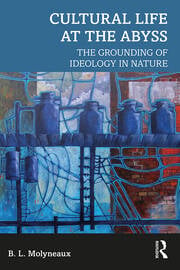
245 10|aCULTURAL LIFE AT THE ABYSS|h[electronic resource] :|bthe grounds of ideology.
260 |a[S.l.] :|bROUTLEDGE,|c2022.
300 |a1 online resource
520 |aIdeology dominates social research, encouraged by rejections of nature and the past, and often ignores the direct experience of actual people. This archaeological study takes a different approach, grounding concepts of culture, landscape and art in ecological relations that embrace all of life. An ecological approachconsiders that life exists in the interactions of people with the environment surrounding them. This theoretical grounding therefore supports research at a local scale and validates the analysis of individual effort. The case studies explore individual perception, action and expression in a startlingly diverse set of objects and features from the past: natural and constructed monuments, ancient and recent rock paintings, petroglyphs, fresco paintings and impressionist landscape art. While traditional cultural approaches render ordinary people as proxies, these individuals, as members of families and communities, do the actual work of society, using their senses, bodies and minds. The analysis here therefore turns away from traditional speculations about the meanings of cultural things to look for evidence of the personal choices of travelers, inhabitants, pilgrims and artists as they acted, and attempt to gain insights from these decisions about the past as lived. The book will be of interest to scholars, researchers and advanced students in culture and society who may be restless in theatres of discourse dominated by self-affirming narratives, who wish to consider the fields of possibility in an environmental perspective that integrates culture with nature and humans with other beings in a singular, physical world.
588 |aOCLC-licensed vendor bibliographic record.
650 7|aSOCIAL SCIENCE / Archaeology|2bisacsh
650 0|aLandscape archaeology.
650 0|aCultural landscapes.
650 0|aArchaeology and art.
650 0|aSocial archaeology.
650 0|aIdeology.
856 40|3Taylor & Francis|uhttps://www.taylorfrancis.com/books/9781351053105
856 42|3OCLC metadata license agreement|uhttp://www.oclc.org/content/dam/oclc/forms/terms/vbrl-201703.pdf
901 |aTaylor & Francis