LEADER 03534cam a22005778i 4500
001 804261
003 TR_AnAIT
005 20260124001021
006 m o d
007 cr |||||||||||
008 230428s2023 nyu ob 001 0 eng
020 |a9781003159049|q(ebook)
020 |a1003159044
020 |a9781000936247|q(electronic bk. : EPUB)
020 |a1000936244|q(electronic bk. : EPUB)
020 |a9781000936193|q(electronic bk. : PDF)
020 |a1000936198|q(electronic bk. : PDF)
020 |z9780367746810|q(hardback)
020 |z9780367746797|q(paperback)
024 7 |a10.4324/9781003159049|2doi
035 |a(OCoLC)1377816833
035 |a(OCoLC-P)1377816833
040 |aOCoLC-P|beng|erda|cOCoLC-P
041 |aeng
049 |aTürk Tarih Kurumu Kütüphanesi
050 00|aD16.14
072 7|aHIS|x028000|2bisacsh
072 7|aHIS|x029000|2bisacsh
072 7|aSOC|x002000|2bisacsh
072 7|aHBTD|2bicssc
082 00|a970.004/97|223/eng/20230428
100 1 |aSommer, Barbara W.,|eauthor.
245 14|aThe indigenous oral history manual :|bCanada and the United States /|cBarbara W. Sommer, Mary Kay Quinlan, Winona Wheeler, Charles E. Trimble.
250 |aSecond edition.
264 1|aNew York, NY :|bRoutledge,|c2023.
300 |a1 online resource
336 |atext|btxt|2rdacontent
337 |acomputer|bc|2rdamedia
338 |aonline resource|bcr|2rdacarrier
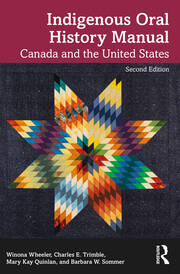
520 |a"Using examples from Indigenous community oral history projects throughout Canada and the United States, this new edition is informed by best practices to show how oral history can be done in different contexts. The Indigenous Oral History Manual: Canada and the United States, the expanded second edition of The American Indian Oral History Manual (2008), contains information about selected Indigenous oral histories; legal and ethical issues; project planning considerations; choosing recording equipment and budgeting; planning and carrying out interviews in various settings; stewardship of project materials; and ways Indigenous communities use oral histories. A centerpiece of the book is a collection of oral history profiles from Canada and the United States that illustrate the range of possibilities that people interested in Indigenous oral history might pursue. It emphasizes the importance of community engagement and adhering to appropriate local protocols and ethical standards, inviting readers to understand that oral work can take various forms with people whose cultural heritage has always relied on oral transmission of knowledge. This book is ideal for students, scholars, and Indigenous communities who seek to engage ethically with tribal and First nations. Metis, and Inuit communities in oral history work that meets community needs"--|cProvided by publisher.
588 |aOCLC-licensed vendor bibliographic record.
650 0|aOral history|xStudy and teaching.
650 0|aOral history|xMethodology.
650 0|aInterviewing|xStudy and teaching.
650 0|aIndians of North America|xResearch.
650 7|aHISTORY / Native American|2bisacsh
650 7|aHISTORY / North America|2bisacsh
650 7|aSOCIAL SCIENCE / Anthropology / General|2bisacsh
700 1 |aQuinlan, Mary Kay,|eauthor.
700 1 |aWheeler, Winona,|eauthor.
700 1 |aTrimble, Charles E.,|eauthor.
856 40|3Taylor & Francis|uhttps://www.taylorfrancis.com/books/9781003159049
856 42|3OCLC metadata license agreement|uhttp://www.oclc.org/content/dam/oclc/forms/terms/vbrl-201703.pdf
901 |aTaylor & Francis