

Preschool Geometry [electronic resource] / by Esther Levenson, Dina Tirosh, Pessia Tsamir.
Erişim Adresi
ISBN
9789460916007
Dil Kodu
İngilizce
Yer Numarası
DK/6652
Yazar
Basım Bildirimi
1st ed. 2011.
Yayın Bilgisi
Rotterdam : SensePublishers : Imprint: SensePublishers, 2011.
Fiziksel Niteleme
VIII, 134 p. online resource.
Özet, vb.
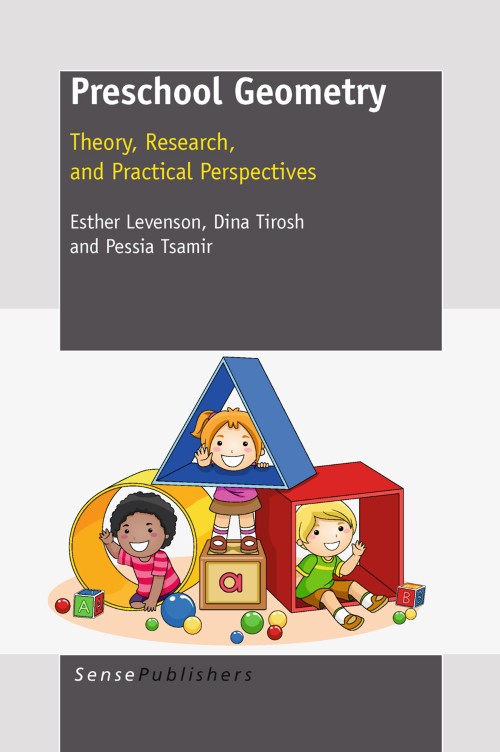
Recently the issue of early childhood mathematics has come to the fore and with it the importance of teaching geometrical concepts and reasoning from a young age. Geometry is a key domain mentioned in many national curricula and may also support the learning of other mathematical topics, such as number and patterns. This book is based on the rich experience (research and practice) of the authors and is devoted entirely to the learning and teaching of geometry in preschool. The first part of the book is dedicated to children’s geometrical thinking, building concept images in line with concept definitions, and the dilemmas that arise in the process. The second part focuses on geometrical tasks and their role in developing and assessing geometrical reasoning. The third part focuses on teaching geometry to young children. Each of the three parts is structured in a similar manner, beginning with general theory and research, continuing with specific examples related to those theories, and moving on to elements of actual practice. Written in a meaningful, yet enjoyable manner, any person who has an interest in the mathematics education of preschool children, be it parents, caregivers, teachers, teacher educators, and researchers, will find this book relevant.
Konu
Mathematics __ Study and teaching .
Mathematics Education.
Mathematics Education.
Diğer Yazarlar
Kurum Adı
