LEADER 03288nam a22004575i 4500
001 806065
003 TR_AnAIT
005 20260127001341
007 cr nn 008mamaa
008 140807s2014 ne | s |||| 0|eng d
020 |a9789462096868|9978-94-6209-686-8
024 7 |a10.1007/978-94-6209-686-8|2doi
041 |aeng
049 |aTürk Tarih Kurumu Kütüphanesi
050 4|aL1-991
072 7|aJN|2bicssc
072 7|aEDU000000|2bisacsh
072 7|aJN|2thema
082 04|a370|223
090 |aDK/7378
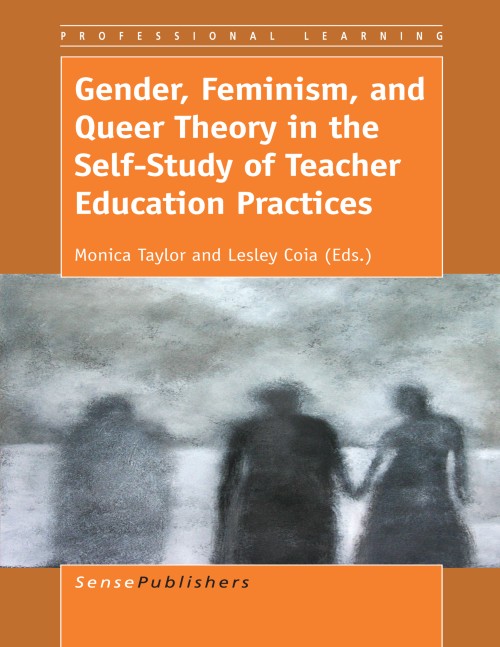
245 10|aGender, Feminism, and Queer Theory in the Self-Study of Teacher Education Practices|h[electronic resource] /|cedited by Monica Taylor, Lesley Coia.
250 |a1st ed. 2014.
264 1|aRotterdam :|bSensePublishers :|bImprint: SensePublishers,|c2014.
300 |aXII, 174 p.|bonline resource.
336 |atext|btxt|2rdacontent
337 |acomputer|bc|2rdamedia
338 |aonline resource|bcr|2rdacarrier
347 |atext file|bPDF|2rda
490 1 |aProfessional Learning
520 |aThis edited volume gives explicit attention to the influence of gender, feminism, and queer theory in self-study of teacher education practices. It builds on the self-study community’s interest in social justice that has mostly been focused on race, ethnicity, gender, disability, and power, as well as broad conceptions that include multiculturalism and ways of knowing. This is the time to examine gender both because our community is growing and because of the reconceptualization of issues of gender, feminism, and queer theory in teacher education. This collection of papers provides a space for members of the self-study field, from founders to welcomed new members, along with the general community of teacher educators to problematize these issues through a variety of theoretical lenses. As always with self-study the impetus of the research is on the improvement of individual practice. Readers will find innovative approaches and insights into their own work as teacher educators.
532 8 |aAccessibility summary: This PDF eBook is produced by a third-party. We have requested that the file be made accessible and compliant with the European Accessibility Act (EAA). However, we have not been able to fully verify its compliance with recognized accessibility standards (such as PDF/UA or WCAG). For detailed accessibility information, please refer to the original publisher’s website. If you require an accessible version of this content, please contact accessibilitysupport@springernature.com. We are committed to improving accessibility and will work with the publisher to meet your needs wherever possible.
532 8 |aPublisher contact for further accessibility information: accessibilitysupport@springernature.com
650 0|aEducation.
650 14|aEducation.
700 1 |aTaylor, Monica.|eeditor.|4edt|4http://id.loc.gov/vocabulary/relators/edt
700 1 |aCoia, Lesley.|eeditor.|4edt|4http://id.loc.gov/vocabulary/relators/edt
710 2 |aSpringerLink (Online service)
773 0 |tSpringer Nature eBook
830 0|aProfessional Learning
856 40|uhttps://doi.org/10.1007/978-94-6209-686-8
912 |aZDB-2-SHU
912 |aZDB-2-SXED
950 |aHumanities, Social Sciences and Law (SpringerNature-11648)
950 |aEducation (R0) (SpringerNature-43721)