LEADER 03711nam a22004335i 4500
001 807517
003 TR_AnAIT
005 20260127004249
007 cr nn 008mamaa
008 130609s2013 ne | s |||| 0|eng d
020 |a9789462092631|9978-94-6209-263-1
024 7 |a10.1007/978-94-6209-263-1|2doi
041 |aeng
049 |aTürk Tarih Kurumu Kütüphanesi
050 4|aL1-991
072 7|aJN|2bicssc
072 7|aEDU000000|2bisacsh
072 7|aJN|2thema
082 04|a370|223
090 |aDK/8810
100 1 |aWeiss, Joel.|eauthor.|4aut|4http://id.loc.gov/vocabulary/relators/aut
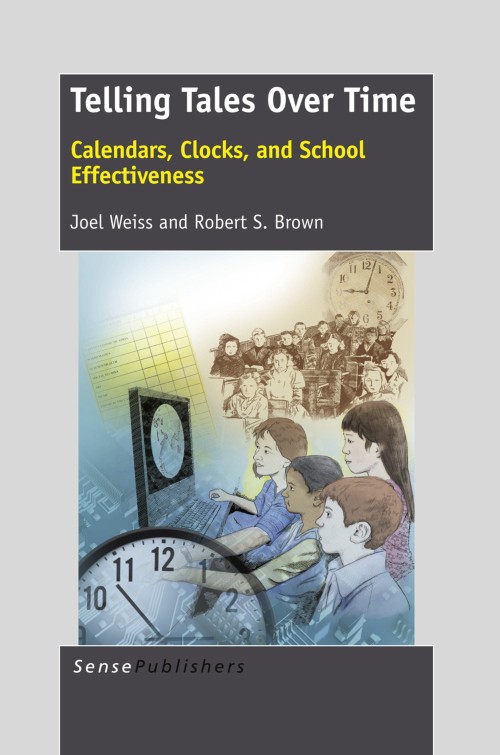
245 10|aTelling Tales Over Time|h[electronic resource] :|bCalendars, Clocks, and School Effectiveness /|cby Joel Weiss, Robert S. Brown.
250 |a1st ed. 2013.
264 1|aRotterdam :|bSensePublishers :|bImprint: SensePublishers,|c2013.
300 |aXII, 184 p.|bonline resource.
336 |atext|btxt|2rdacontent
337 |acomputer|bc|2rdamedia
338 |aonline resource|bcr|2rdacarrier
347 |atext file|bPDF|2rda
520 |aHow do calendars and clocks influence considerations of school effectiveness? From the creation of compulsory education to the future of virtual schooling, Weiss and Brown trace two centuries of school practices, policies and research linking the concept of time with ‘opportunity to learn’. School calendars and clocks are shaped by both the physical and social worlds, and the ‘clock of schooling’ is shown to be one of the ‘great clocks of society’ that helps to frame school effectiveness. School time does not operate in a vacuum, but within curriculum, teaching and learning situations. The phrase ‘chrono-curriculum’ was devised by the authors as a metaphor for exploring issues of school effectiveness within the time dimension. Using American and Canadian sources, stories are created to illustrate four themes about time and school effectiveness. The first three stories utilize access, attendance and testing as criteria associated with these eras of schooling. How will the story read in the fourth era, the digital age, which forces us to a reconsideration of time and its influence on education? Quoting David Berliner in his Foreword: “ this is an opportune time for these authors to bring us insights into the reasons we in North America created our public school systems, and how the chrono-curriculum influences those systems. The authors’ presentation of our educational past provides educators a chance to think anew about how we might do schooling in our own times.”.
532 8 |aAccessibility summary: This PDF eBook is produced by a third-party. We have requested that the file be made accessible and compliant with the European Accessibility Act (EAA). However, we have not been able to fully verify its compliance with recognized accessibility standards (such as PDF/UA or WCAG). For detailed accessibility information, please refer to the original publisher’s website. If you require an accessible version of this content, please contact accessibilitysupport@springernature.com. We are committed to improving accessibility and will work with the publisher to meet your needs wherever possible.
532 8 |aPublisher contact for further accessibility information: accessibilitysupport@springernature.com
650 0|aEducation.
650 14|aEducation.
700 1 |aS. Brown, Robert.|eauthor.|4aut|4http://id.loc.gov/vocabulary/relators/aut
710 2 |aSpringerLink (Online service)
773 0 |tSpringer Nature eBook
856 40|uhttps://doi.org/10.1007/978-94-6209-263-1
912 |aZDB-2-SHU
912 |aZDB-2-SXED
950 |aHumanities, Social Sciences and Law (SpringerNature-11648)
950 |aEducation (R0) (SpringerNature-43721)