

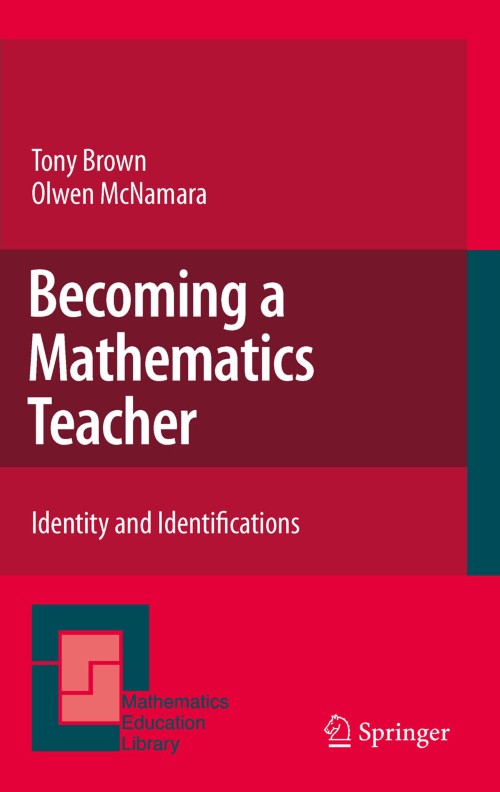
Becoming a Mathematics Teacher [electronic resource] : Identity and Identifications / by Tony Brown, Olwen McNamara.
Erişim Adresi
ISBN
9789400705548
Dil Kodu
İngilizce
Yer Numarası
DK/9687
Yazar
Basım Bildirimi
1st ed. 2011.
Yayın Bilgisi
Dordrecht : Springer Netherlands : Imprint: Springer, 2011.
Fiziksel Niteleme
X, 194 p. online resource.
Dizi
Mathematics Education Library, 2214-983X ; 53
İçindekiler Notu
About the authors -- Acknowledgements -- 1. Introduction -- 2. Mathematics Teaching and Identity -- 2.1 Introduction.- 2.2 Hermeneutics To Psychoanalysis.- 2.3 Personal Aspirations Meet External Demands -- 3. How Teachers Learn: a Review of Research.- 3.1 Introduction.- 3.2 The Transition From Scholar To Authority.- 3.3 Conclusion.- 4. Becoming a Teacher: an English Case Study.- 4.1 Introduction.- 4.2 The Initial Teacher Education Reform Agenda -- 4.3 The School Context: The Rise and Fall of the Strategies -- 4.4 The Empirical Study -- 4.5 Conclusion -- 5 Theorising Teacher Identity -- 5.1 Analytical Strategies.- 5.2 Technologies of the Self -- 5.3 Regulating Consensus.- 6 The Shaping of School Mathematics.- 6.1 Introduction -- 6.2 The Social Framing of School Mathematics -- 6.3 The Secret of the Forms of School Mathematics -- 6.4 Conclusion.- 7 Implications for Practice -- 7.1 Introduction -- 7.2 Implications for Teacher Development -- 7.3 The Future of School Mathematics -- 7.4 The Research and Policy Environment.-References.- Index.
Özet, vb.
This book is about people preparing to teach mathematics to children in the first half of their schooling. It is also about what mathematics becomes in a school context responding to insistent demands to raise standards. The book asks how aspirant teachers begin to think of themselves as teachers, and about mathematics in particular, when they have many years of experience as pupils in school behind them, which did not always leave a positive image of mathematics. How do they change how they are, or even who they are, as they proceed through a teacher education programme into their first teaching post, where mathematics is just one of many subjects to be taught? They will encounter diverse and complex social demands that cannot necessarily be reconciled, since the work of schools is targeted at enabling pupils to participate in a rapidly changing world where consensus on educational objectives seems difficult to achieve. Conflicting priorities can result in teachers being pulled in many directions, where their personal aspirations confront an official story that portrays the journey into teaching as a sequence of criteria to be fulfilled. Centred on over 200 hours of interview data from government-funded studies directed by the authors the book documents teachers over a five-year period, from the outset of their training to the end of their first year of teaching in a school. These interviews coincided with a major national curriculum initiative that through prescriptive and detailed regulation set the characteristics of a good teacher and the content of mathematics to be taught. Aimed primarily at teacher educators the book will also appeal to researchers across the field of education for its unique theoretical perspective drawing on contemporary psychoanalytical theory in portraying the identities that teachers come to occupy, and the forms of mathematics with which they identify. It also presents avivid account of what educational policy implementation looks like through the voices of teachers building their practices. .
Konu
Mathematics __ Study and teaching .
Education and state.
Mathematics Education.
Educational Policy and Politics.
Education and state.
Mathematics Education.
Educational Policy and Politics.
Diğer Yazarlar
Kurum Adı
Eseri Alıntıla
Referansları kullanmadan önce gözden geçirmeniz ve varsa gerekli düzeltmeleri yapmanız önerilir.
Dijital Kaynak
MARC Görünümü
LEADER 05065nam a22005295i 4500
001 808398
003 TR_AnAIT
005 20260131031344
007 cr nn 008mamaa
008 110207s2011 ne | s |||| 0|eng d
020 |a9789400705548|9978-94-007-0554-8
024 7 |a10.1007/978-94-007-0554-8|2doi
041 |aeng
049 |aTürk Tarih Kurumu Kütüphanesi
050 4|aQA10.92-20
072 7|aJNU|2bicssc
072 7|aPB|2bicssc
072 7|aEDU029010|2bisacsh
072 7|aJNU|2thema
072 7|aPB|2thema
082 04|a510.71|223
090 |aDK/9687
100 1 |aBrown, Tony.|eauthor.|4aut|4http://id.loc.gov/vocabulary/relators/aut
245 10|aBecoming a Mathematics Teacher|h[electronic resource] :|bIdentity and Identifications /|cby Tony Brown, Olwen McNamara.
250 |a1st ed. 2011.
264 1|aDordrecht :|bSpringer Netherlands :|bImprint: Springer,|c2011.
300 |aX, 194 p.|bonline resource.
336 |atext|btxt|2rdacontent
337 |acomputer|bc|2rdamedia
338 |aonline resource|bcr|2rdacarrier
347 |atext file|bPDF|2rda
490 1 |aMathematics Education Library,|x2214-983X ;|v53
505 0 |aAbout the authors -- Acknowledgements -- 1. Introduction -- 2. Mathematics Teaching and Identity -- 2.1 Introduction.- 2.2 Hermeneutics To Psychoanalysis.- 2.3 Personal Aspirations Meet External Demands -- 3. How Teachers Learn: a Review of Research.- 3.1 Introduction.- 3.2 The Transition From Scholar To Authority.- 3.3 Conclusion.- 4. Becoming a Teacher: an English Case Study.- 4.1 Introduction.- 4.2 The Initial Teacher Education Reform Agenda -- 4.3 The School Context: The Rise and Fall of the Strategies -- 4.4 The Empirical Study -- 4.5 Conclusion -- 5 Theorising Teacher Identity -- 5.1 Analytical Strategies.- 5.2 Technologies of the Self -- 5.3 Regulating Consensus.- 6 The Shaping of School Mathematics.- 6.1 Introduction -- 6.2 The Social Framing of School Mathematics -- 6.3 The Secret of the Forms of School Mathematics -- 6.4 Conclusion.- 7 Implications for Practice -- 7.1 Introduction -- 7.2 Implications for Teacher Development -- 7.3 The Future of School Mathematics -- 7.4 The Research and Policy Environment.-References.- Index.
520 |aThis book is about people preparing to teach mathematics to children in the first half of their schooling. It is also about what mathematics becomes in a school context responding to insistent demands to raise standards. The book asks how aspirant teachers begin to think of themselves as teachers, and about mathematics in particular, when they have many years of experience as pupils in school behind them, which did not always leave a positive image of mathematics. How do they change how they are, or even who they are, as they proceed through a teacher education programme into their first teaching post, where mathematics is just one of many subjects to be taught? They will encounter diverse and complex social demands that cannot necessarily be reconciled, since the work of schools is targeted at enabling pupils to participate in a rapidly changing world where consensus on educational objectives seems difficult to achieve. Conflicting priorities can result in teachers being pulled in many directions, where their personal aspirations confront an official story that portrays the journey into teaching as a sequence of criteria to be fulfilled. Centred on over 200 hours of interview data from government-funded studies directed by the authors the book documents teachers over a five-year period, from the outset of their training to the end of their first year of teaching in a school. These interviews coincided with a major national curriculum initiative that through prescriptive and detailed regulation set the characteristics of a good teacher and the content of mathematics to be taught. Aimed primarily at teacher educators the book will also appeal to researchers across the field of education for its unique theoretical perspective drawing on contemporary psychoanalytical theory in portraying the identities that teachers come to occupy, and the forms of mathematics with which they identify. It also presents avivid account of what educational policy implementation looks like through the voices of teachers building their practices. .
650 0|aMathematics|xStudy and teaching .
650 0|aEducation and state.
650 14|aMathematics Education.
650 24|aEducational Policy and Politics.
700 1 |aMcNamara, Olwen.|eauthor.|4aut|4http://id.loc.gov/vocabulary/relators/aut
710 2 |aSpringerLink (Online service)
773 0 |tSpringer Nature eBook
776 08|iPrinted edition:|z9789400705531
776 08|iPrinted edition:|z9789400705555
776 08|iPrinted edition:|z9789400735279
830 0|aMathematics Education Library,|x2214-983X ;|v53
856 40|uhttps://doi.org/10.1007/978-94-007-0554-8
912 |aZDB-2-SHU
912 |aZDB-2-SXED
950 |aHumanities, Social Sciences and Law (SpringerNature-11648)
950 |aEducation (R0) (SpringerNature-43721)
001 808398
003 TR_AnAIT
005 20260131031344
007 cr nn 008mamaa
008 110207s2011 ne | s |||| 0|eng d
020 |a9789400705548|9978-94-007-0554-8
024 7 |a10.1007/978-94-007-0554-8|2doi
041 |aeng
049 |aTürk Tarih Kurumu Kütüphanesi
050 4|aQA10.92-20
072 7|aJNU|2bicssc
072 7|aPB|2bicssc
072 7|aEDU029010|2bisacsh
072 7|aJNU|2thema
072 7|aPB|2thema
082 04|a510.71|223
090 |aDK/9687
100 1 |aBrown, Tony.|eauthor.|4aut|4http://id.loc.gov/vocabulary/relators/aut
245 10|aBecoming a Mathematics Teacher|h[electronic resource] :|bIdentity and Identifications /|cby Tony Brown, Olwen McNamara.
250 |a1st ed. 2011.
264 1|aDordrecht :|bSpringer Netherlands :|bImprint: Springer,|c2011.
300 |aX, 194 p.|bonline resource.
336 |atext|btxt|2rdacontent
337 |acomputer|bc|2rdamedia
338 |aonline resource|bcr|2rdacarrier
347 |atext file|bPDF|2rda
490 1 |aMathematics Education Library,|x2214-983X ;|v53
505 0 |aAbout the authors -- Acknowledgements -- 1. Introduction -- 2. Mathematics Teaching and Identity -- 2.1 Introduction.- 2.2 Hermeneutics To Psychoanalysis.- 2.3 Personal Aspirations Meet External Demands -- 3. How Teachers Learn: a Review of Research.- 3.1 Introduction.- 3.2 The Transition From Scholar To Authority.- 3.3 Conclusion.- 4. Becoming a Teacher: an English Case Study.- 4.1 Introduction.- 4.2 The Initial Teacher Education Reform Agenda -- 4.3 The School Context: The Rise and Fall of the Strategies -- 4.4 The Empirical Study -- 4.5 Conclusion -- 5 Theorising Teacher Identity -- 5.1 Analytical Strategies.- 5.2 Technologies of the Self -- 5.3 Regulating Consensus.- 6 The Shaping of School Mathematics.- 6.1 Introduction -- 6.2 The Social Framing of School Mathematics -- 6.3 The Secret of the Forms of School Mathematics -- 6.4 Conclusion.- 7 Implications for Practice -- 7.1 Introduction -- 7.2 Implications for Teacher Development -- 7.3 The Future of School Mathematics -- 7.4 The Research and Policy Environment.-References.- Index.
520 |aThis book is about people preparing to teach mathematics to children in the first half of their schooling. It is also about what mathematics becomes in a school context responding to insistent demands to raise standards. The book asks how aspirant teachers begin to think of themselves as teachers, and about mathematics in particular, when they have many years of experience as pupils in school behind them, which did not always leave a positive image of mathematics. How do they change how they are, or even who they are, as they proceed through a teacher education programme into their first teaching post, where mathematics is just one of many subjects to be taught? They will encounter diverse and complex social demands that cannot necessarily be reconciled, since the work of schools is targeted at enabling pupils to participate in a rapidly changing world where consensus on educational objectives seems difficult to achieve. Conflicting priorities can result in teachers being pulled in many directions, where their personal aspirations confront an official story that portrays the journey into teaching as a sequence of criteria to be fulfilled. Centred on over 200 hours of interview data from government-funded studies directed by the authors the book documents teachers over a five-year period, from the outset of their training to the end of their first year of teaching in a school. These interviews coincided with a major national curriculum initiative that through prescriptive and detailed regulation set the characteristics of a good teacher and the content of mathematics to be taught. Aimed primarily at teacher educators the book will also appeal to researchers across the field of education for its unique theoretical perspective drawing on contemporary psychoanalytical theory in portraying the identities that teachers come to occupy, and the forms of mathematics with which they identify. It also presents avivid account of what educational policy implementation looks like through the voices of teachers building their practices. .
650 0|aMathematics|xStudy and teaching .
650 0|aEducation and state.
650 14|aMathematics Education.
650 24|aEducational Policy and Politics.
700 1 |aMcNamara, Olwen.|eauthor.|4aut|4http://id.loc.gov/vocabulary/relators/aut
710 2 |aSpringerLink (Online service)
773 0 |tSpringer Nature eBook
776 08|iPrinted edition:|z9789400705531
776 08|iPrinted edition:|z9789400705555
776 08|iPrinted edition:|z9789400735279
830 0|aMathematics Education Library,|x2214-983X ;|v53
856 40|uhttps://doi.org/10.1007/978-94-007-0554-8
912 |aZDB-2-SHU
912 |aZDB-2-SXED
950 |aHumanities, Social Sciences and Law (SpringerNature-11648)
950 |aEducation (R0) (SpringerNature-43721)
Materyaller
Depodan talep edilen materyal sadece kütüphane içerisinde kullanılmaktadır.
Materyal dışarıya ödünç verilmemektedir.
Materyal dışarıya ödünç verilmemektedir.
