

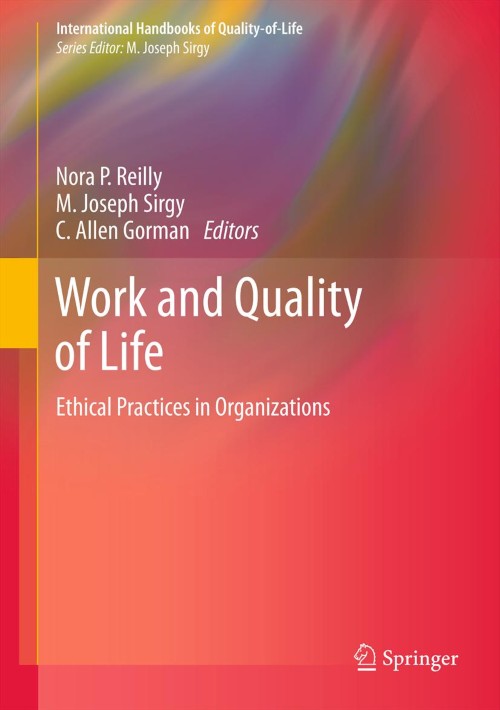
Work and Quality of Life [electronic resource] : Ethical Practices in Organizations / edited by Nora P. Reilly, M. Joseph Sirgy, C. Allen Gorman.
Erişim Adresi
ISBN
9789400740594
Dil Kodu
İngilizce
Yer Numarası
DK/10460
Basım Bildirimi
1st ed. 2012.
Yayın Bilgisi
Dordrecht : Springer Netherlands : Imprint: Springer, 2012.
Fiziksel Niteleme
VII, 507 p. 10 illus. online resource.
Dizi
International Handbooks of Quality-of-Life, 2468-7235
İçindekiler Notu
Table of Contents -- INTRODUCTION -- Chapter 1. Stuck between a rock and a hard place: Quality of work life; Reilly, N. P -- FOUNDATIONS -- Chapter 2. Professional ethical standards: The journey towards effective codes of ethics; Bateman, C.R -- Chapter 3. Employee well-being: An integrative perspective; Sirgy, M.J -- Chapter 4. Work stress: Help me get my feet back on the ground; Mickel, A. E.; Dallimore, E.J -- ETHICS AT WORK -- SUBSECTION: INDIVIDUAL SOURCES OF DILEMMAS -- Chapter 5. Mentoring in organizations: Mentor of tormentor?; Hurst, C. S.; Eby, L. T. Chapter 6. Selection for training: The forgotten employment decision?; Gorman, C. A.; Thibodeaux, C. N.; Eisenger, S. E.; Overstreet, B. L -- Chapter 7. Career stagnation: Underlying dilemmas and solutions in contemporary work environments; Abele, A; E., Volmer, J.; Spurk, D. Chapter 8. Employee well-being: Can performance management systems help? Yes, but they sure can hurt too!; Levy, P. E.; Herb, K.; Frantz, N.; Carr, A -- Chapter 9.Counterproductive work behaviors and their ethical dilemmas: Creating just, respectful, and productive organizations; Mazzola, J. J.; Kessler, S. R -- Chapter 10. Ethical imperatives of work/life balance; Bulger, C. A.; Fisher, G. G -- Chapter 11. When sending flowers is not enough: The eldercare dilemma in the workplace Shoptaugh; C. F., Visio; M. E.; Phelps, J. A -- Chapter 12. A new layer to inclusion: Creating singles-friendly work environments; Casper, W. J.; DePaulo, B -- SUBSECTION: ORGANIZATIONAL SOURCES OF DILEMMAS -- Chapter 13. Perceptions of justice in employee benefits; Spell, C.S.; Bezrukova, K -- Chapter14. Telecommuting and flexible work hours: Alternative work arrangements that can improve the quality of work life; Breaugh, J. A.; Farabee, A. M -- Chapter 15. Remote working and work-life balance; Sullivan, C -- Chapter 16. Ethical leadership and core job characteristics: Designing jobs for employee well-being; Piccolo, R. F.; Greenbaum, R. L.; Eissa, G -- Chapter 17. Blame andcredit attributions and quality of work life: The effect of organizational structure; Gibson, D. E.; McCann, K -- Chapter 18. Teamwork, ethics and the quality of working life; Sewell, G -- Chapter 19. Workplace violence and aggression: When you don’t want your company on the news; Neuman, J. H -- Chapter 20. Hostile work environment: “Is it just me or is it chilly in here?”; Leung, A. S. M.; Snape, E -- Chapter 21.Sexual Harassment: “Is it just me or are you hot?”; Nelson, C. G.; Carroll, K. A. SUBSECTION: CULTURAL SOURCES OF DILEMMAS -- Chapter 22. Generational differences: Something old, something new; Gardner, D.; Macky, K. Chapter 23. Religious diversity in the workplace; Ball, C -- Chapter 24. An overview of workplace spirituality and its likely relationship with employee well-being; Pawar, B -- INTEGRATION: THE ROAD AHEAD -- Chapter 25. From non-malfeasance to beneficence: Key criteria, approaches and ethical issues relating to positive employee health and well-being; Page, K. M.; Vella-Brodrick, D. A. .
Özet, vb.
Employees have personal responsibilities as well as responsibilities to their employers. They also have rights. In order to maintain their well-being, employees need opportunities to resolve conflicting obligations. Employees are often torn between the ethical obligations to fulfill both their work and non-work roles, to respect and be respected by their employers and coworkers, to be responsible to the organization while the organization is reciprocally responsible to them, to be afforded some degree of autonomy at work while attending to collaborative goals, to work within a climate of mutual employee-management trust, and to voice opinions about work policies, processes and conditions without fear of retribution. Humanistic organizations can recognize conflicts created by the work environment and provide opportunities to resolve or minimize them. This handbook empirically documents the dilemmas that result from responsibility-based conflicts. The book is organized by sources of dilemmas that fall into three major categories: individual, organizational (internal policies and procedures), and cultural (social forces external to the organization), including an introduction and a final integration of the many ways in which organizations can contribute to positive employee health and well-being. This book is aimed at both academicians and practitioners who are interested in how interventions that stem from industrial and organizational psychology may address ethical dilemmas commonly faced by employees. .
Konu
Quality of life.
Psychology, Industrial.
Personnel management.
Counseling.
Quality of Life Research.
Work and Organizational Psychology.
Human Resource Management.
Counseling Psychology.
Psychology, Industrial.
Personnel management.
Counseling.
Quality of Life Research.
Work and Organizational Psychology.
Human Resource Management.
Counseling Psychology.
Diğer Yazarlar
Kurum Adı
Eseri Alıntıla
Referansları kullanmadan önce gözden geçirmeniz ve varsa gerekli düzeltmeleri yapmanız önerilir.
Dijital Kaynak
MARC Görünümü
LEADER 06774nam a22005895i 4500
001 809171
003 TR_AnAIT
005 20260131023917
007 cr nn 008mamaa
008 120530s2012 ne | s |||| 0|eng d
020 |a9789400740594|9978-94-007-4059-4
024 7 |a10.1007/978-94-007-4059-4|2doi
041 |aeng
049 |aTürk Tarih Kurumu Kütüphanesi
050 4|aRA407-409.5
050 4|aHN25
072 7|aMBNH|2bicssc
072 7|aMED003000|2bisacsh
072 7|aMBNH|2thema
082 04|a610|223
082 04|a306|223
090 |aDK/10460
245 10|aWork and Quality of Life|h[electronic resource] :|bEthical Practices in Organizations /|cedited by Nora P. Reilly, M. Joseph Sirgy, C. Allen Gorman.
250 |a1st ed. 2012.
264 1|aDordrecht :|bSpringer Netherlands :|bImprint: Springer,|c2012.
300 |aVII, 507 p. 10 illus.|bonline resource.
336 |atext|btxt|2rdacontent
337 |acomputer|bc|2rdamedia
338 |aonline resource|bcr|2rdacarrier
347 |atext file|bPDF|2rda
490 1 |aInternational Handbooks of Quality-of-Life,|x2468-7235
505 0 |aTable of Contents -- INTRODUCTION -- Chapter 1. Stuck between a rock and a hard place: Quality of work life; Reilly, N. P -- FOUNDATIONS -- Chapter 2. Professional ethical standards: The journey towards effective codes of ethics; Bateman, C.R -- Chapter 3. Employee well-being: An integrative perspective; Sirgy, M.J -- Chapter 4. Work stress: Help me get my feet back on the ground; Mickel, A. E.; Dallimore, E.J -- ETHICS AT WORK -- SUBSECTION: INDIVIDUAL SOURCES OF DILEMMAS -- Chapter 5. Mentoring in organizations: Mentor of tormentor?; Hurst, C. S.; Eby, L. T. Chapter 6. Selection for training: The forgotten employment decision?; Gorman, C. A.; Thibodeaux, C. N.; Eisenger, S. E.; Overstreet, B. L -- Chapter 7. Career stagnation: Underlying dilemmas and solutions in contemporary work environments; Abele, A; E., Volmer, J.; Spurk, D. Chapter 8. Employee well-being: Can performance management systems help? Yes, but they sure can hurt too!; Levy, P. E.; Herb, K.; Frantz, N.; Carr, A -- Chapter 9.Counterproductive work behaviors and their ethical dilemmas: Creating just, respectful, and productive organizations; Mazzola, J. J.; Kessler, S. R -- Chapter 10. Ethical imperatives of work/life balance; Bulger, C. A.; Fisher, G. G -- Chapter 11. When sending flowers is not enough: The eldercare dilemma in the workplace Shoptaugh; C. F., Visio; M. E.; Phelps, J. A -- Chapter 12. A new layer to inclusion: Creating singles-friendly work environments; Casper, W. J.; DePaulo, B -- SUBSECTION: ORGANIZATIONAL SOURCES OF DILEMMAS -- Chapter 13. Perceptions of justice in employee benefits; Spell, C.S.; Bezrukova, K -- Chapter14. Telecommuting and flexible work hours: Alternative work arrangements that can improve the quality of work life; Breaugh, J. A.; Farabee, A. M -- Chapter 15. Remote working and work-life balance; Sullivan, C -- Chapter 16. Ethical leadership and core job characteristics: Designing jobs for employee well-being; Piccolo, R. F.; Greenbaum, R. L.; Eissa, G -- Chapter 17. Blame andcredit attributions and quality of work life: The effect of organizational structure; Gibson, D. E.; McCann, K -- Chapter 18. Teamwork, ethics and the quality of working life; Sewell, G -- Chapter 19. Workplace violence and aggression: When you don’t want your company on the news; Neuman, J. H -- Chapter 20. Hostile work environment: “Is it just me or is it chilly in here?”; Leung, A. S. M.; Snape, E -- Chapter 21.Sexual Harassment: “Is it just me or are you hot?”; Nelson, C. G.; Carroll, K. A. SUBSECTION: CULTURAL SOURCES OF DILEMMAS -- Chapter 22. Generational differences: Something old, something new; Gardner, D.; Macky, K. Chapter 23. Religious diversity in the workplace; Ball, C -- Chapter 24. An overview of workplace spirituality and its likely relationship with employee well-being; Pawar, B -- INTEGRATION: THE ROAD AHEAD -- Chapter 25. From non-malfeasance to beneficence: Key criteria, approaches and ethical issues relating to positive employee health and well-being; Page, K. M.; Vella-Brodrick, D. A. .
520 |aEmployees have personal responsibilities as well as responsibilities to their employers. They also have rights. In order to maintain their well-being, employees need opportunities to resolve conflicting obligations. Employees are often torn between the ethical obligations to fulfill both their work and non-work roles, to respect and be respected by their employers and coworkers, to be responsible to the organization while the organization is reciprocally responsible to them, to be afforded some degree of autonomy at work while attending to collaborative goals, to work within a climate of mutual employee-management trust, and to voice opinions about work policies, processes and conditions without fear of retribution. Humanistic organizations can recognize conflicts created by the work environment and provide opportunities to resolve or minimize them. This handbook empirically documents the dilemmas that result from responsibility-based conflicts. The book is organized by sources of dilemmas that fall into three major categories: individual, organizational (internal policies and procedures), and cultural (social forces external to the organization), including an introduction and a final integration of the many ways in which organizations can contribute to positive employee health and well-being. This book is aimed at both academicians and practitioners who are interested in how interventions that stem from industrial and organizational psychology may address ethical dilemmas commonly faced by employees. .
650 0|aQuality of life.
650 0|aPsychology, Industrial.
650 0|aPersonnel management.
650 0|aCounseling.
650 14|aQuality of Life Research.
650 24|aWork and Organizational Psychology.
650 24|aHuman Resource Management.
650 24|aCounseling Psychology.
700 1 |aReilly, Nora P.|eeditor.|4edt|4http://id.loc.gov/vocabulary/relators/edt
700 1 |aSirgy, M. Joseph.|eeditor.|4edt|4http://id.loc.gov/vocabulary/relators/edt
700 1 |aGorman, C. Allen.|eeditor.|4edt|4http://id.loc.gov/vocabulary/relators/edt
710 2 |aSpringerLink (Online service)
773 0 |tSpringer Nature eBook
776 08|iPrinted edition:|z9789400740587
776 08|iPrinted edition:|z9789400740600
776 08|iPrinted edition:|z9789401777186
830 0|aInternational Handbooks of Quality-of-Life,|x2468-7235
856 40|uhttps://doi.org/10.1007/978-94-007-4059-4
912 |aZDB-2-SHU
912 |aZDB-2-SXS
950 |aHumanities, Social Sciences and Law (SpringerNature-11648)
950 |aSocial Sciences (R0) (SpringerNature-43726)
001 809171
003 TR_AnAIT
005 20260131023917
007 cr nn 008mamaa
008 120530s2012 ne | s |||| 0|eng d
020 |a9789400740594|9978-94-007-4059-4
024 7 |a10.1007/978-94-007-4059-4|2doi
041 |aeng
049 |aTürk Tarih Kurumu Kütüphanesi
050 4|aRA407-409.5
050 4|aHN25
072 7|aMBNH|2bicssc
072 7|aMED003000|2bisacsh
072 7|aMBNH|2thema
082 04|a610|223
082 04|a306|223
090 |aDK/10460
245 10|aWork and Quality of Life|h[electronic resource] :|bEthical Practices in Organizations /|cedited by Nora P. Reilly, M. Joseph Sirgy, C. Allen Gorman.
250 |a1st ed. 2012.
264 1|aDordrecht :|bSpringer Netherlands :|bImprint: Springer,|c2012.
300 |aVII, 507 p. 10 illus.|bonline resource.
336 |atext|btxt|2rdacontent
337 |acomputer|bc|2rdamedia
338 |aonline resource|bcr|2rdacarrier
347 |atext file|bPDF|2rda
490 1 |aInternational Handbooks of Quality-of-Life,|x2468-7235
505 0 |aTable of Contents -- INTRODUCTION -- Chapter 1. Stuck between a rock and a hard place: Quality of work life; Reilly, N. P -- FOUNDATIONS -- Chapter 2. Professional ethical standards: The journey towards effective codes of ethics; Bateman, C.R -- Chapter 3. Employee well-being: An integrative perspective; Sirgy, M.J -- Chapter 4. Work stress: Help me get my feet back on the ground; Mickel, A. E.; Dallimore, E.J -- ETHICS AT WORK -- SUBSECTION: INDIVIDUAL SOURCES OF DILEMMAS -- Chapter 5. Mentoring in organizations: Mentor of tormentor?; Hurst, C. S.; Eby, L. T. Chapter 6. Selection for training: The forgotten employment decision?; Gorman, C. A.; Thibodeaux, C. N.; Eisenger, S. E.; Overstreet, B. L -- Chapter 7. Career stagnation: Underlying dilemmas and solutions in contemporary work environments; Abele, A; E., Volmer, J.; Spurk, D. Chapter 8. Employee well-being: Can performance management systems help? Yes, but they sure can hurt too!; Levy, P. E.; Herb, K.; Frantz, N.; Carr, A -- Chapter 9.Counterproductive work behaviors and their ethical dilemmas: Creating just, respectful, and productive organizations; Mazzola, J. J.; Kessler, S. R -- Chapter 10. Ethical imperatives of work/life balance; Bulger, C. A.; Fisher, G. G -- Chapter 11. When sending flowers is not enough: The eldercare dilemma in the workplace Shoptaugh; C. F., Visio; M. E.; Phelps, J. A -- Chapter 12. A new layer to inclusion: Creating singles-friendly work environments; Casper, W. J.; DePaulo, B -- SUBSECTION: ORGANIZATIONAL SOURCES OF DILEMMAS -- Chapter 13. Perceptions of justice in employee benefits; Spell, C.S.; Bezrukova, K -- Chapter14. Telecommuting and flexible work hours: Alternative work arrangements that can improve the quality of work life; Breaugh, J. A.; Farabee, A. M -- Chapter 15. Remote working and work-life balance; Sullivan, C -- Chapter 16. Ethical leadership and core job characteristics: Designing jobs for employee well-being; Piccolo, R. F.; Greenbaum, R. L.; Eissa, G -- Chapter 17. Blame andcredit attributions and quality of work life: The effect of organizational structure; Gibson, D. E.; McCann, K -- Chapter 18. Teamwork, ethics and the quality of working life; Sewell, G -- Chapter 19. Workplace violence and aggression: When you don’t want your company on the news; Neuman, J. H -- Chapter 20. Hostile work environment: “Is it just me or is it chilly in here?”; Leung, A. S. M.; Snape, E -- Chapter 21.Sexual Harassment: “Is it just me or are you hot?”; Nelson, C. G.; Carroll, K. A. SUBSECTION: CULTURAL SOURCES OF DILEMMAS -- Chapter 22. Generational differences: Something old, something new; Gardner, D.; Macky, K. Chapter 23. Religious diversity in the workplace; Ball, C -- Chapter 24. An overview of workplace spirituality and its likely relationship with employee well-being; Pawar, B -- INTEGRATION: THE ROAD AHEAD -- Chapter 25. From non-malfeasance to beneficence: Key criteria, approaches and ethical issues relating to positive employee health and well-being; Page, K. M.; Vella-Brodrick, D. A. .
520 |aEmployees have personal responsibilities as well as responsibilities to their employers. They also have rights. In order to maintain their well-being, employees need opportunities to resolve conflicting obligations. Employees are often torn between the ethical obligations to fulfill both their work and non-work roles, to respect and be respected by their employers and coworkers, to be responsible to the organization while the organization is reciprocally responsible to them, to be afforded some degree of autonomy at work while attending to collaborative goals, to work within a climate of mutual employee-management trust, and to voice opinions about work policies, processes and conditions without fear of retribution. Humanistic organizations can recognize conflicts created by the work environment and provide opportunities to resolve or minimize them. This handbook empirically documents the dilemmas that result from responsibility-based conflicts. The book is organized by sources of dilemmas that fall into three major categories: individual, organizational (internal policies and procedures), and cultural (social forces external to the organization), including an introduction and a final integration of the many ways in which organizations can contribute to positive employee health and well-being. This book is aimed at both academicians and practitioners who are interested in how interventions that stem from industrial and organizational psychology may address ethical dilemmas commonly faced by employees. .
650 0|aQuality of life.
650 0|aPsychology, Industrial.
650 0|aPersonnel management.
650 0|aCounseling.
650 14|aQuality of Life Research.
650 24|aWork and Organizational Psychology.
650 24|aHuman Resource Management.
650 24|aCounseling Psychology.
700 1 |aReilly, Nora P.|eeditor.|4edt|4http://id.loc.gov/vocabulary/relators/edt
700 1 |aSirgy, M. Joseph.|eeditor.|4edt|4http://id.loc.gov/vocabulary/relators/edt
700 1 |aGorman, C. Allen.|eeditor.|4edt|4http://id.loc.gov/vocabulary/relators/edt
710 2 |aSpringerLink (Online service)
773 0 |tSpringer Nature eBook
776 08|iPrinted edition:|z9789400740587
776 08|iPrinted edition:|z9789400740600
776 08|iPrinted edition:|z9789401777186
830 0|aInternational Handbooks of Quality-of-Life,|x2468-7235
856 40|uhttps://doi.org/10.1007/978-94-007-4059-4
912 |aZDB-2-SHU
912 |aZDB-2-SXS
950 |aHumanities, Social Sciences and Law (SpringerNature-11648)
950 |aSocial Sciences (R0) (SpringerNature-43726)
Materyaller
Depodan talep edilen materyal sadece kütüphane içerisinde kullanılmaktadır.
Materyal dışarıya ödünç verilmemektedir.
Materyal dışarıya ödünç verilmemektedir.
