

Handbook of Magnetic Phenomena [electronic resource] / by Harry E. Burke.
Erişim Adresi
ISBN
9789401170062
Dil Kodu
İngilizce
Yer Numarası
DK/10804
Yazar
Basım Bildirimi
1st ed. 1986.
Yayın Bilgisi
Dordrecht : Springer Netherlands : Imprint: Springer, 1986.
Fiziksel Niteleme
XXII, 424 p. online resource.
İçindekiler Notu
1. Introduction -- 1.1 Magnetotransduction -- 1.2 Discussion Boundaries -- 1.3 Model -- 1.4 Audience -- 1.5 Theme -- I: Environments Experienced by Moving Electric Charges -- 2. Basic Laws and Definitions -- 3. Chemical Effects -- 4. Magnetic Hysteresis -- 5. Thermal Effects -- 6. Mechanical Effects -- 7. Magnetic Measurements -- 8. Magnetic Resonance -- 9. Radiant Energy -- II: The Effects of Magnetic Field Changes on MovingCharged Particles -- 10. Moving Conductor -- 11. Electromagnetic Induction -- 12. Reflected Impedance -- 13. Reluctance Variations -- 14. Composite Targets -- 15. Motor Phenomena -- III: Magnetons Moving Under Tight Constraints As in a Solid or Liquid -- 16. Magnetostriction -- 17. Galvanomagnetic Effects -- 18. Magneton Order Effects -- 19. Hysteretic Effects -- 20. Size Effects -- 21. Strong Magnetic Field Effects -- IV: Magnetons Moving Under Loose Constraints As in a Vacuum or Gas -- 22. Ionic Currents -- 23. Magnetron Effects in Gas -- V: Magnetons Moving in Environments with a Very Low Energy Content -- 24. Chemical Environment -- 25. Flux Quantization -- 26. Tunneling -- Glossary of Terms.
Özet, vb.
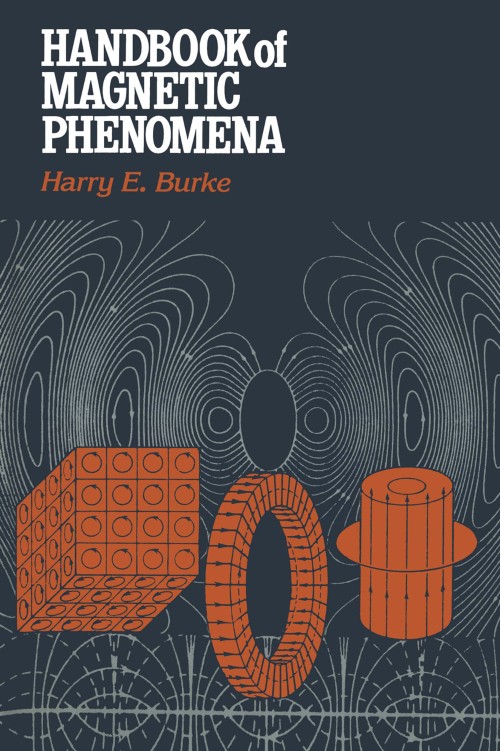
The general theory of magnetism and the vast range of individual phe nomena it embraces have already been examined in many volumes. Spe cialists hardly need help in charting their way through the maze of pub lished information. At the same time, a nonspecialist might easily be discouraged by this abundance. Most texts are restricted in their coverage, and their concepts may well appear to be disorganized when the uninitiated attempt to consider them in their totality. Since the subject is already thoroughly researched with very little new information added year by year, this is hardly a satisfactory state of affairs. By now, it should be possible for anyone with even a minimum of technical competence to feel com pletely at home with all of the basic magnetic principles. The present volume addresses this issue by stressing simplicity-sim plicity of order and simplicity of range as well as simplicity of detail. It proposes a pattern of logical classification based on the electronic con sequences that result whenever any form of matter interacts with any kind of energy. An attempt has been made to present each phenomenon of interest in its most visually graphic form while reducing the verbal de scription to the minimum needed to back up the illustrations. This might be called a Life magazine type of approach, in which each point is prin cipally supported by a picture. The illustrations make use of two (perhaps unique) conventions.
Konu
Social sciences.
Humanities.
Humanities and Social Sciences.
Humanities.
Humanities and Social Sciences.
Kurum Adı
Eseri Alıntıla
Referansları kullanmadan önce gözden geçirmeniz ve varsa gerekli düzeltmeleri yapmanız önerilir.
Dijital Kaynak
MARC Görünümü
LEADER 04961nam a22005415i 4500
001 809515
003 TR_AnAIT
005 20260131023027
007 cr nn 008mamaa
008 121227s1986 ne | s |||| 0|eng d
020 |a9789401170062|9978-94-011-7006-2
024 7 |a10.1007/978-94-011-7006-2|2doi
041 |aeng
049 |aTürk Tarih Kurumu Kütüphanesi
050 4|aH1-99
050 4|aAZ19.2-999
072 7|aGT|2bicssc
072 7|aNON000000|2bisacsh
072 7|aGT|2thema
082 04|a300|223
082 04|a001.3|223
090 |aDK/10804
100 1 |aBurke, Harry E.|eauthor.|4aut|4http://id.loc.gov/vocabulary/relators/aut
245 10|aHandbook of Magnetic Phenomena|h[electronic resource] /|cby Harry E. Burke.
250 |a1st ed. 1986.
264 1|aDordrecht :|bSpringer Netherlands :|bImprint: Springer,|c1986.
300 |aXXII, 424 p.|bonline resource.
336 |atext|btxt|2rdacontent
337 |acomputer|bc|2rdamedia
338 |aonline resource|bcr|2rdacarrier
347 |atext file|bPDF|2rda
505 0 |a1. Introduction -- 1.1 Magnetotransduction -- 1.2 Discussion Boundaries -- 1.3 Model -- 1.4 Audience -- 1.5 Theme -- I: Environments Experienced by Moving Electric Charges -- 2. Basic Laws and Definitions -- 3. Chemical Effects -- 4. Magnetic Hysteresis -- 5. Thermal Effects -- 6. Mechanical Effects -- 7. Magnetic Measurements -- 8. Magnetic Resonance -- 9. Radiant Energy -- II: The Effects of Magnetic Field Changes on MovingCharged Particles -- 10. Moving Conductor -- 11. Electromagnetic Induction -- 12. Reflected Impedance -- 13. Reluctance Variations -- 14. Composite Targets -- 15. Motor Phenomena -- III: Magnetons Moving Under Tight Constraints As in a Solid or Liquid -- 16. Magnetostriction -- 17. Galvanomagnetic Effects -- 18. Magneton Order Effects -- 19. Hysteretic Effects -- 20. Size Effects -- 21. Strong Magnetic Field Effects -- IV: Magnetons Moving Under Loose Constraints As in a Vacuum or Gas -- 22. Ionic Currents -- 23. Magnetron Effects in Gas -- V: Magnetons Moving in Environments with a Very Low Energy Content -- 24. Chemical Environment -- 25. Flux Quantization -- 26. Tunneling -- Glossary of Terms.
520 |aThe general theory of magnetism and the vast range of individual phe nomena it embraces have already been examined in many volumes. Spe cialists hardly need help in charting their way through the maze of pub lished information. At the same time, a nonspecialist might easily be discouraged by this abundance. Most texts are restricted in their coverage, and their concepts may well appear to be disorganized when the uninitiated attempt to consider them in their totality. Since the subject is already thoroughly researched with very little new information added year by year, this is hardly a satisfactory state of affairs. By now, it should be possible for anyone with even a minimum of technical competence to feel com pletely at home with all of the basic magnetic principles. The present volume addresses this issue by stressing simplicity-sim plicity of order and simplicity of range as well as simplicity of detail. It proposes a pattern of logical classification based on the electronic con sequences that result whenever any form of matter interacts with any kind of energy. An attempt has been made to present each phenomenon of interest in its most visually graphic form while reducing the verbal de scription to the minimum needed to back up the illustrations. This might be called a Life magazine type of approach, in which each point is prin cipally supported by a picture. The illustrations make use of two (perhaps unique) conventions.
532 8 |aAccessibility summary: This PDF is not accessible. It is based on scanned pages and does not support features such as screen reader compatibility or described non-text content (images, graphs etc). However, it likely supports searchable and selectable text based on OCR (Optical Character Recognition). Users with accessibility needs may not be able to use this content effectively. Please contact us at accessibilitysupport@springernature.com if you require assistance or an alternative format.
532 8 |aInaccessible, or known limited accessibility
532 8 |aNo reading system accessibility options actively disabled
532 8 |aPublisher contact for further accessibility information: accessibilitysupport@springernature.com
650 0|aSocial sciences.
650 0|aHumanities.
650 14|aHumanities and Social Sciences.
710 2 |aSpringerLink (Online service)
773 0 |tSpringer Nature eBook
776 08|iPrinted edition:|z9780442211844
776 08|iPrinted edition:|z9789401170079
776 08|iPrinted edition:|z9789401170086
856 40|uhttps://doi.org/10.1007/978-94-011-7006-2
912 |aZDB-2-SHU
912 |aZDB-2-SXH
912 |aZDB-2-BAE
950 |aHumanities, Social Sciences and Law (SpringerNature-11648)
950 |aHistory (R0) (SpringerNature-43722)
001 809515
003 TR_AnAIT
005 20260131023027
007 cr nn 008mamaa
008 121227s1986 ne | s |||| 0|eng d
020 |a9789401170062|9978-94-011-7006-2
024 7 |a10.1007/978-94-011-7006-2|2doi
041 |aeng
049 |aTürk Tarih Kurumu Kütüphanesi
050 4|aH1-99
050 4|aAZ19.2-999
072 7|aGT|2bicssc
072 7|aNON000000|2bisacsh
072 7|aGT|2thema
082 04|a300|223
082 04|a001.3|223
090 |aDK/10804
100 1 |aBurke, Harry E.|eauthor.|4aut|4http://id.loc.gov/vocabulary/relators/aut
245 10|aHandbook of Magnetic Phenomena|h[electronic resource] /|cby Harry E. Burke.
250 |a1st ed. 1986.
264 1|aDordrecht :|bSpringer Netherlands :|bImprint: Springer,|c1986.
300 |aXXII, 424 p.|bonline resource.
336 |atext|btxt|2rdacontent
337 |acomputer|bc|2rdamedia
338 |aonline resource|bcr|2rdacarrier
347 |atext file|bPDF|2rda
505 0 |a1. Introduction -- 1.1 Magnetotransduction -- 1.2 Discussion Boundaries -- 1.3 Model -- 1.4 Audience -- 1.5 Theme -- I: Environments Experienced by Moving Electric Charges -- 2. Basic Laws and Definitions -- 3. Chemical Effects -- 4. Magnetic Hysteresis -- 5. Thermal Effects -- 6. Mechanical Effects -- 7. Magnetic Measurements -- 8. Magnetic Resonance -- 9. Radiant Energy -- II: The Effects of Magnetic Field Changes on MovingCharged Particles -- 10. Moving Conductor -- 11. Electromagnetic Induction -- 12. Reflected Impedance -- 13. Reluctance Variations -- 14. Composite Targets -- 15. Motor Phenomena -- III: Magnetons Moving Under Tight Constraints As in a Solid or Liquid -- 16. Magnetostriction -- 17. Galvanomagnetic Effects -- 18. Magneton Order Effects -- 19. Hysteretic Effects -- 20. Size Effects -- 21. Strong Magnetic Field Effects -- IV: Magnetons Moving Under Loose Constraints As in a Vacuum or Gas -- 22. Ionic Currents -- 23. Magnetron Effects in Gas -- V: Magnetons Moving in Environments with a Very Low Energy Content -- 24. Chemical Environment -- 25. Flux Quantization -- 26. Tunneling -- Glossary of Terms.
520 |aThe general theory of magnetism and the vast range of individual phe nomena it embraces have already been examined in many volumes. Spe cialists hardly need help in charting their way through the maze of pub lished information. At the same time, a nonspecialist might easily be discouraged by this abundance. Most texts are restricted in their coverage, and their concepts may well appear to be disorganized when the uninitiated attempt to consider them in their totality. Since the subject is already thoroughly researched with very little new information added year by year, this is hardly a satisfactory state of affairs. By now, it should be possible for anyone with even a minimum of technical competence to feel com pletely at home with all of the basic magnetic principles. The present volume addresses this issue by stressing simplicity-sim plicity of order and simplicity of range as well as simplicity of detail. It proposes a pattern of logical classification based on the electronic con sequences that result whenever any form of matter interacts with any kind of energy. An attempt has been made to present each phenomenon of interest in its most visually graphic form while reducing the verbal de scription to the minimum needed to back up the illustrations. This might be called a Life magazine type of approach, in which each point is prin cipally supported by a picture. The illustrations make use of two (perhaps unique) conventions.
532 8 |aAccessibility summary: This PDF is not accessible. It is based on scanned pages and does not support features such as screen reader compatibility or described non-text content (images, graphs etc). However, it likely supports searchable and selectable text based on OCR (Optical Character Recognition). Users with accessibility needs may not be able to use this content effectively. Please contact us at accessibilitysupport@springernature.com if you require assistance or an alternative format.
532 8 |aInaccessible, or known limited accessibility
532 8 |aNo reading system accessibility options actively disabled
532 8 |aPublisher contact for further accessibility information: accessibilitysupport@springernature.com
650 0|aSocial sciences.
650 0|aHumanities.
650 14|aHumanities and Social Sciences.
710 2 |aSpringerLink (Online service)
773 0 |tSpringer Nature eBook
776 08|iPrinted edition:|z9780442211844
776 08|iPrinted edition:|z9789401170079
776 08|iPrinted edition:|z9789401170086
856 40|uhttps://doi.org/10.1007/978-94-011-7006-2
912 |aZDB-2-SHU
912 |aZDB-2-SXH
912 |aZDB-2-BAE
950 |aHumanities, Social Sciences and Law (SpringerNature-11648)
950 |aHistory (R0) (SpringerNature-43722)
Materyaller
Depodan talep edilen materyal sadece kütüphane içerisinde kullanılmaktadır.
Materyal dışarıya ödünç verilmemektedir.
Materyal dışarıya ödünç verilmemektedir.
