LEADER 04288nam a22004335i 4500
001 809729
003 TR_AnAIT
005 20260131022436
007 cr nn 008mamaa
008 121228s2012 ne | s |||| 0|eng d
020 |a9789460918704|9978-94-6091-870-4
024 7 |a10.1007/978-94-6091-870-4|2doi
041 |aeng
049 |aTürk Tarih Kurumu Kütüphanesi
050 4|aL1-991
072 7|aJN|2bicssc
072 7|aEDU000000|2bisacsh
072 7|aJN|2thema
082 04|a370|223
090 |aDK/11018
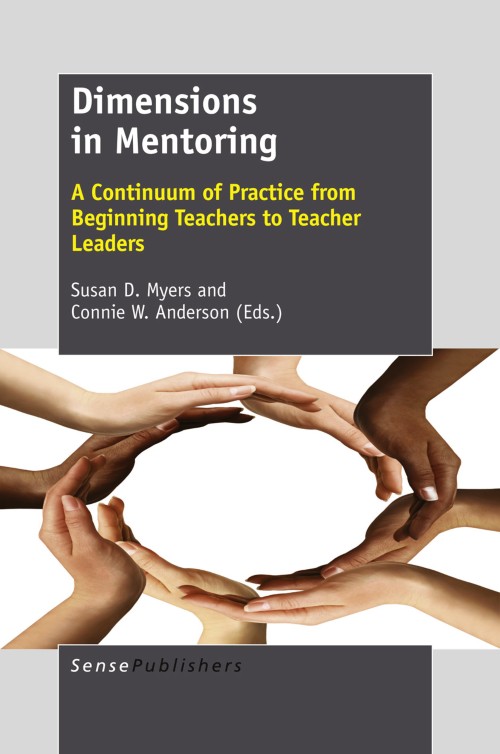
245 10|aDimensions in Mentoring|h[electronic resource] :|bA Continuum of Practice from Beginning Teachers to Teacher Leaders /|cedited by Susan Myers, Connie Anderson.
250 |a1st ed. 2012.
264 1|aRotterdam :|bSensePublishers :|bImprint: SensePublishers,|c2012.
300 |aVIII, 266 p.|bonline resource.
336 |atext|btxt|2rdacontent
337 |acomputer|bc|2rdamedia
338 |aonline resource|bcr|2rdacarrier
347 |atext file|bPDF|2rda
520 |aThis book provides practitioners, researchers, and those involved in mentoring activities insight into varying types of mentoring. It covers aspects of mentoring with preservice teachers, K-12 practitioners, academia, and professionals in public and private sectors. Other areas not typically covered include service learning, faculty and graduate student writing and research groups, undergraduate and graduate student mentoring groups, online programs for alternatively certified teachers, formal mentoring programs for marginalized and underrepresented populations, academic mentoring for tenured faculty, and mentoring support for administrators at all levels! A unique approach to mentoring, a variety of theoretical contexts and frameworks is presented and suggestions for discussions, assignments, and dialogue opportunities are offered at the end of each chapter. These suggestions are practical applications and implications for extending conversations among professionals and are easily transferable to a variety of professional development activities. While primarily intended for teacher educators, it is a complete guide for those in public education who are interested in professional development activities. The topics addressed are useful to those who are new to the field of mentoring and to those who support mentoring projects at any level. A unique approach to mentoring, a variety of theoretical contexts and frameworks is presented and suggestions for discussions, assignments, and dialogue opportunities are offered at the end of each chapter. These suggestions are practical applications and implications for extending conversations among professionals and are easily transferable to a variety of professional development activities. While primarily intended for teacher educators, it is a complete guide for those in public education who are interested in professional development activities. The topics addressed are useful to those who are new to the field of mentoring and to those who support mentoring projects at any level.
532 8 |aAccessibility summary: This PDF eBook is produced by a third-party. We have requested that the file be made accessible and compliant with the European Accessibility Act (EAA). However, we have not been able to fully verify its compliance with recognized accessibility standards (such as PDF/UA or WCAG). For detailed accessibility information, please refer to the original publisher’s website. If you require an accessible version of this content, please contact accessibilitysupport@springernature.com. We are committed to improving accessibility and will work with the publisher to meet your needs wherever possible.
532 8 |aPublisher contact for further accessibility information: accessibilitysupport@springernature.com
650 0|aEducation.
650 14|aEducation.
700 1 |aMyers, Susan.|eeditor.|4edt|4http://id.loc.gov/vocabulary/relators/edt
700 1 |aAnderson, Connie.|eeditor.|4edt|4http://id.loc.gov/vocabulary/relators/edt
710 2 |aSpringerLink (Online service)
773 0 |tSpringer Nature eBook
856 40|uhttps://doi.org/10.1007/978-94-6091-870-4
912 |aZDB-2-SHU
912 |aZDB-2-SXED
950 |aHumanities, Social Sciences and Law (SpringerNature-11648)
950 |aEducation (R0) (SpringerNature-43721)