LEADER 03186nam a22004215i 4500
001 810139
003 TR_AnAIT
005 20260131021119
007 cr nn 008mamaa
008 121026s2012 ne | s |||| 0|eng d
020 |a9789460918582|9978-94-6091-858-2
024 7 |a10.1007/978-94-6091-858-2|2doi
041 |aeng
049 |aTürk Tarih Kurumu Kütüphanesi
050 4|aL1-991
072 7|aJN|2bicssc
072 7|aEDU000000|2bisacsh
072 7|aJN|2thema
082 04|a370|223
090 |aDK/11421
100 1 |aFitzgerald, Angela.|eauthor.|4aut|4http://id.loc.gov/vocabulary/relators/aut
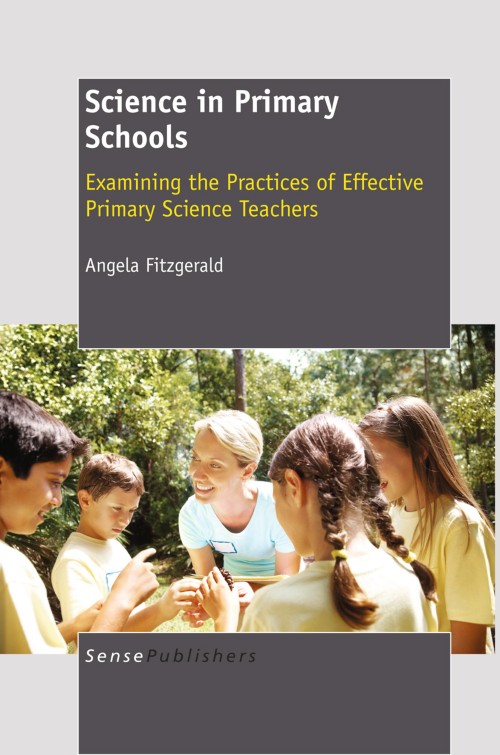
245 10|aScience in Primary Schools: Examining the Practices of Effective Teachers|h[electronic resource] /|cby Angela Fitzgerald.
250 |a1st ed. 2012.
264 1|aRotterdam :|bSensePublishers :|bImprint: SensePublishers,|c2012.
300 |aVI, 118 p.|bonline resource.
336 |atext|btxt|2rdacontent
337 |acomputer|bc|2rdamedia
338 |aonline resource|bcr|2rdacarrier
347 |atext file|bPDF|2rda
520 |aIf the status and quality of science education in schools is to improve, efforts need to be made to better understand the classroom practices of effective science teachers. Teachers are key players in a re-imagining of science education. This book explores how two primary school teachers, identified as effective practitioners, approached science teaching and learning over a unit of work. In recording the teaching and learning experiences in their classrooms, the author highlights how the two teachers adopted different approaches, drawing on their particular beliefs and knowledge, to support student learning in science in ways that were appropriate to their contexts as well as reflected their different experiences, strengths and backgrounds. Through sharing their stories, this book illustrates, that due to the complex nature of teaching and learning, there is no one way of defining effectiveness. In documenting this research, it is hoped that other teachers and teacher educators will be inspired to think about primary school science education in innovative ways.
532 8 |aAccessibility summary: This PDF eBook is produced by a third-party. We have requested that the file be made accessible and compliant with the European Accessibility Act (EAA). However, we have not been able to fully verify its compliance with recognized accessibility standards (such as PDF/UA or WCAG). For detailed accessibility information, please refer to the original publisher’s website. If you require an accessible version of this content, please contact accessibilitysupport@springernature.com. We are committed to improving accessibility and will work with the publisher to meet your needs wherever possible.
532 8 |aPublisher contact for further accessibility information: accessibilitysupport@springernature.com
650 0|aEducation.
650 14|aEducation.
710 2 |aSpringerLink (Online service)
773 0 |tSpringer Nature eBook
856 40|uhttps://doi.org/10.1007/978-94-6091-858-2
912 |aZDB-2-SHU
912 |aZDB-2-SXED
950 |aHumanities, Social Sciences and Law (SpringerNature-11648)
950 |aEducation (R0) (SpringerNature-43721)