LEADER 03654nam a22004935i 4500
001 811136
003 TR_AnAIT
005 20260131012114
007 cr nn 008mamaa
008 100301s2006 ne | s |||| 0|eng d
020 |a9781402046513|9978-1-4020-4651-3
024 7 |a10.1007/1-4020-4651-0|2doi
041 |aeng
049 |aTürk Tarih Kurumu Kütüphanesi
050 4|aL1-991
072 7|aJN|2bicssc
072 7|aEDU000000|2bisacsh
072 7|aJN|2thema
082 04|a370|223
090 |aDK/12401
100 1 |aBillett, Stephen.|eauthor.|4aut|4http://id.loc.gov/vocabulary/relators/aut
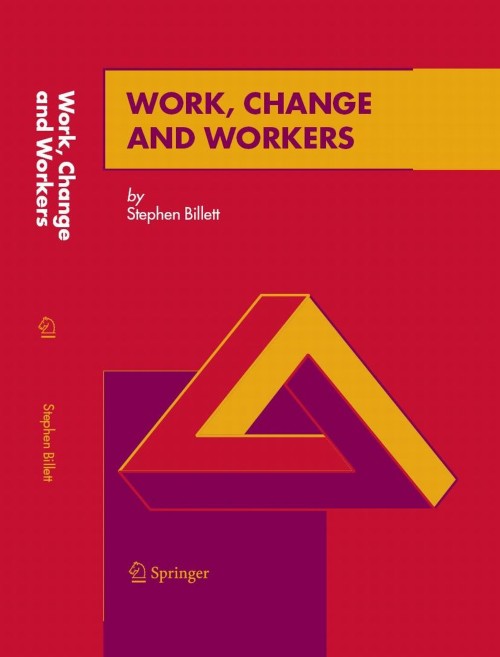
245 10|aWork, Change and Workers|h[electronic resource] /|cby Stephen Billett.
250 |a1st ed. 2006.
264 1|aDordrecht :|bSpringer Netherlands :|bImprint: Springer,|c2006.
300 |aXII, 286 p.|bonline resource.
336 |atext|btxt|2rdacontent
337 |acomputer|bc|2rdamedia
338 |aonline resource|bcr|2rdacarrier
347 |atext file|bPDF|2rda
505 0 |aSection 1 -Introduction -- Work, change and workers -- Section 2 - Social and individual bases for understanding work life -- Cultural, situational and individual geneses of work life -- A relational basis for understanding work life -- The worth of work -- Section 3 - Changing concepts and requirements of work -- Changes in available work -- Changing participation in work -- Changing composition of paid workforces -- Changing requirements for work performance -- Section 4 - Describing and elaborating work -- A framework for describing work -- Changing work practice and work requirements: Case studies -- Work, learning and identity.
520 |aThis book provides a fresh account of the changing nature of work and how workers are changing as result of the requirements of contemporary working life. It explores the implications for preparing individuals for work and maintaining their skills throughout working life. This is done by examining the relations between the changing requirements for working life and how individuals engage in work. An analysis that engages the psychological, sociological, philosophical and anthropological literatures as they relate to work as well as recent empirical research that examines and elaborates perspectives of work and work practice as social institutions and as a vocation that individuals exercise with intentionality and agency. So a key basis for considering changing work and changing workers is the relationships between the social institutions and cultural needs and practices that necessitates and constitutes paid work and how individuals engage and elect to participate and learn in that work. Implications for vocational education, professional development and on-going learning throughout working life are addressed. These include developing skills in educational institutions, workplaces, and combinations thereof and in times when both government and employers are looking for others to sponsor that development and maintaining the competence and engagement of older workers.
650 0|aEducation.
650 0|aProfessional education.
650 0|aVocational education.
650 0|aLearning, Psychology of.
650 14|aEducation.
650 24|aProfessional and Vocational Education.
650 24|aInstructional Psychology.
710 2 |aSpringerLink (Online service)
773 0 |tSpringer Nature eBook
776 08|iPrinted edition:|z9781402046438
776 08|iPrinted edition:|z9789048108022
856 40|uhttps://doi.org/10.1007/1-4020-4651-0
912 |aZDB-2-SHU
912 |aZDB-2-SXED
950 |aHumanities, Social Sciences and Law (SpringerNature-11648)
950 |aEducation (R0) (SpringerNature-43721)