

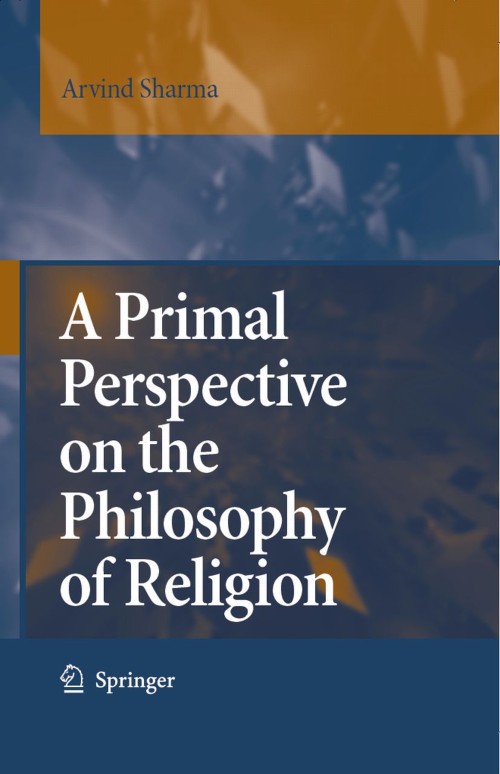
A Primal Perspective on the Philosophy of Religion [electronic resource] / by Arvind Sharma.
Erişim Adresi
ISBN
9781402050145
Dil Kodu
İngilizce
Yer Numarası
DK/12424
Yazar
Basım Bildirimi
1st ed. 2006.
Yayın Bilgisi
Dordrecht : Springer Netherlands : Imprint: Springer, 2006.
Fiziksel Niteleme
XII, 246 p. online resource.
İçindekiler Notu
The Concept of God: Monotheism -- Other Concepts of God -- Arguments for the Existence of God -- Arguments Against the Existence of God -- The Problem of Evil -- The Concept of Revelation and the Primal Religious Tradition -- Theories of Faith -- Evidentialism, Foundationalism and Rational Belief -- Language and Religious Thought -- The Problems of Religious Language -- The Problem of Verification -- Conflicting Truth Claims of Different Religions -- Human Destiny: Immortality and Resurrection -- Human Destiny: Karma and Reincarnation.
Özet, vb.
The philosophy of religion has been a largely European intellectual enterprise in two ways. It arose in Europe as a discipline and its subject matter has been profoundly influenced by Christianity as practised in Europe. The process of its deprovincialization in this respect started when it began to take religions other than Christianity within its purview - such as Hinduism, Buddhism, and Islam. Although now the religions of both East and West have found a place in it, a religious tradition which is present in both the East and the West, namely, the primal religious tradition, still remains unrepresented in its discussions, perhaps under the mistaken assumption that this religious tradition has little to offer by way of philosophical reflection. This book challenges this widespread assumption and demonstrates how primal religions have something significant to offer on virtually every theme discussed in the philosophy of religion. Through this book the primal religous tradition stakes its claim for a place at the table. "Despite the absence of written texts, primal religions have an implicit philosophy. They can offer a fresh perspective on controversial philosophical issues. This study shows how materials of primal religious experience can be incorporated in the categories of modern philosophy of religion. Fourteen chapters offer examples varying from concepts of God and revelation to conflicating truth claims and the problem of human destiny. The book contends that the primal perspective can widen and deepen the horizons of philosophy of religion and enhance the philosophical appreciation of religion as a universal phenomenon." Jacobus Waardenburg, University of Lausanne, Switzerland "Arvind Sharma makes a perfect case for a cross-cultural philosophy of religion in which all world religions, especially primal religions, could effectively participate in the dialogue and conversation about the relevant issues in the questfor the transcendent and the sacred. The work ultimately may be a prolegomena to the study of philosophy of religion of many primal religious traditions, because it provokes debate and responses from scholars of these traditions. This book will certainly begin a broader conversation in the cross-cultural philosophy of religion." Jacob Olupona, The University of California, Davis, U.S.A.
Konu
Religion __ Philosophy.
Philosophy.
Religion.
Philosophy of Religion.
Philosophy.
Religion.
Philosophy.
Religion.
Philosophy of Religion.
Philosophy.
Religion.
Kurum Adı
Eseri Alıntıla
Referansları kullanmadan önce gözden geçirmeniz ve varsa gerekli düzeltmeleri yapmanız önerilir.
Dijital Kaynak
MARC Görünümü
LEADER 04513nam a22004935i 4500
001 811160
003 TR_AnAIT
005 20260131012026
007 cr nn 008mamaa
008 100301s2006 ne | s |||| 0|eng d
020 |a9781402050145|9978-1-4020-5014-5
024 7 |a10.1007/1-4020-5014-3|2doi
041 |aeng
049 |aTürk Tarih Kurumu Kütüphanesi
050 4|aBL51
072 7|aHRAB|2bicssc
072 7|aPHI022000|2bisacsh
072 7|aQRAB|2thema
082 04|a210|223
090 |aDK/12424
100 1 |aSharma, Arvind.|eauthor.|4aut|4http://id.loc.gov/vocabulary/relators/aut
245 12|aA Primal Perspective on the Philosophy of Religion|h[electronic resource] /|cby Arvind Sharma.
250 |a1st ed. 2006.
264 1|aDordrecht :|bSpringer Netherlands :|bImprint: Springer,|c2006.
300 |aXII, 246 p.|bonline resource.
336 |atext|btxt|2rdacontent
337 |acomputer|bc|2rdamedia
338 |aonline resource|bcr|2rdacarrier
347 |atext file|bPDF|2rda
505 0 |aThe Concept of God: Monotheism -- Other Concepts of God -- Arguments for the Existence of God -- Arguments Against the Existence of God -- The Problem of Evil -- The Concept of Revelation and the Primal Religious Tradition -- Theories of Faith -- Evidentialism, Foundationalism and Rational Belief -- Language and Religious Thought -- The Problems of Religious Language -- The Problem of Verification -- Conflicting Truth Claims of Different Religions -- Human Destiny: Immortality and Resurrection -- Human Destiny: Karma and Reincarnation.
520 |aThe philosophy of religion has been a largely European intellectual enterprise in two ways. It arose in Europe as a discipline and its subject matter has been profoundly influenced by Christianity as practised in Europe. The process of its deprovincialization in this respect started when it began to take religions other than Christianity within its purview - such as Hinduism, Buddhism, and Islam. Although now the religions of both East and West have found a place in it, a religious tradition which is present in both the East and the West, namely, the primal religious tradition, still remains unrepresented in its discussions, perhaps under the mistaken assumption that this religious tradition has little to offer by way of philosophical reflection. This book challenges this widespread assumption and demonstrates how primal religions have something significant to offer on virtually every theme discussed in the philosophy of religion. Through this book the primal religous tradition stakes its claim for a place at the table. "Despite the absence of written texts, primal religions have an implicit philosophy. They can offer a fresh perspective on controversial philosophical issues. This study shows how materials of primal religious experience can be incorporated in the categories of modern philosophy of religion. Fourteen chapters offer examples varying from concepts of God and revelation to conflicating truth claims and the problem of human destiny. The book contends that the primal perspective can widen and deepen the horizons of philosophy of religion and enhance the philosophical appreciation of religion as a universal phenomenon." Jacobus Waardenburg, University of Lausanne, Switzerland "Arvind Sharma makes a perfect case for a cross-cultural philosophy of religion in which all world religions, especially primal religions, could effectively participate in the dialogue and conversation about the relevant issues in the questfor the transcendent and the sacred. The work ultimately may be a prolegomena to the study of philosophy of religion of many primal religious traditions, because it provokes debate and responses from scholars of these traditions. This book will certainly begin a broader conversation in the cross-cultural philosophy of religion." Jacob Olupona, The University of California, Davis, U.S.A.
650 0|aReligion|xPhilosophy.
650 0|aPhilosophy.
650 0|aReligion.
650 14|aPhilosophy of Religion.
650 24|aPhilosophy.
650 24|aReligion.
710 2 |aSpringerLink (Online service)
773 0 |tSpringer Nature eBook
776 08|iPrinted edition:|z9781402050138
776 08|iPrinted edition:|z9789048109531
776 08|iPrinted edition:|z9789048172559
856 40|uhttps://doi.org/10.1007/1-4020-5014-3
912 |aZDB-2-SHU
912 |aZDB-2-SXPR
950 |aHumanities, Social Sciences and Law (SpringerNature-11648)
950 |aPhilosophy and Religion (R0) (SpringerNature-43725)
001 811160
003 TR_AnAIT
005 20260131012026
007 cr nn 008mamaa
008 100301s2006 ne | s |||| 0|eng d
020 |a9781402050145|9978-1-4020-5014-5
024 7 |a10.1007/1-4020-5014-3|2doi
041 |aeng
049 |aTürk Tarih Kurumu Kütüphanesi
050 4|aBL51
072 7|aHRAB|2bicssc
072 7|aPHI022000|2bisacsh
072 7|aQRAB|2thema
082 04|a210|223
090 |aDK/12424
100 1 |aSharma, Arvind.|eauthor.|4aut|4http://id.loc.gov/vocabulary/relators/aut
245 12|aA Primal Perspective on the Philosophy of Religion|h[electronic resource] /|cby Arvind Sharma.
250 |a1st ed. 2006.
264 1|aDordrecht :|bSpringer Netherlands :|bImprint: Springer,|c2006.
300 |aXII, 246 p.|bonline resource.
336 |atext|btxt|2rdacontent
337 |acomputer|bc|2rdamedia
338 |aonline resource|bcr|2rdacarrier
347 |atext file|bPDF|2rda
505 0 |aThe Concept of God: Monotheism -- Other Concepts of God -- Arguments for the Existence of God -- Arguments Against the Existence of God -- The Problem of Evil -- The Concept of Revelation and the Primal Religious Tradition -- Theories of Faith -- Evidentialism, Foundationalism and Rational Belief -- Language and Religious Thought -- The Problems of Religious Language -- The Problem of Verification -- Conflicting Truth Claims of Different Religions -- Human Destiny: Immortality and Resurrection -- Human Destiny: Karma and Reincarnation.
520 |aThe philosophy of religion has been a largely European intellectual enterprise in two ways. It arose in Europe as a discipline and its subject matter has been profoundly influenced by Christianity as practised in Europe. The process of its deprovincialization in this respect started when it began to take religions other than Christianity within its purview - such as Hinduism, Buddhism, and Islam. Although now the religions of both East and West have found a place in it, a religious tradition which is present in both the East and the West, namely, the primal religious tradition, still remains unrepresented in its discussions, perhaps under the mistaken assumption that this religious tradition has little to offer by way of philosophical reflection. This book challenges this widespread assumption and demonstrates how primal religions have something significant to offer on virtually every theme discussed in the philosophy of religion. Through this book the primal religous tradition stakes its claim for a place at the table. "Despite the absence of written texts, primal religions have an implicit philosophy. They can offer a fresh perspective on controversial philosophical issues. This study shows how materials of primal religious experience can be incorporated in the categories of modern philosophy of religion. Fourteen chapters offer examples varying from concepts of God and revelation to conflicating truth claims and the problem of human destiny. The book contends that the primal perspective can widen and deepen the horizons of philosophy of religion and enhance the philosophical appreciation of religion as a universal phenomenon." Jacobus Waardenburg, University of Lausanne, Switzerland "Arvind Sharma makes a perfect case for a cross-cultural philosophy of religion in which all world religions, especially primal religions, could effectively participate in the dialogue and conversation about the relevant issues in the questfor the transcendent and the sacred. The work ultimately may be a prolegomena to the study of philosophy of religion of many primal religious traditions, because it provokes debate and responses from scholars of these traditions. This book will certainly begin a broader conversation in the cross-cultural philosophy of religion." Jacob Olupona, The University of California, Davis, U.S.A.
650 0|aReligion|xPhilosophy.
650 0|aPhilosophy.
650 0|aReligion.
650 14|aPhilosophy of Religion.
650 24|aPhilosophy.
650 24|aReligion.
710 2 |aSpringerLink (Online service)
773 0 |tSpringer Nature eBook
776 08|iPrinted edition:|z9781402050138
776 08|iPrinted edition:|z9789048109531
776 08|iPrinted edition:|z9789048172559
856 40|uhttps://doi.org/10.1007/1-4020-5014-3
912 |aZDB-2-SHU
912 |aZDB-2-SXPR
950 |aHumanities, Social Sciences and Law (SpringerNature-11648)
950 |aPhilosophy and Religion (R0) (SpringerNature-43725)
Materyaller
Depodan talep edilen materyal sadece kütüphane içerisinde kullanılmaktadır.
Materyal dışarıya ödünç verilmemektedir.
Materyal dışarıya ödünç verilmemektedir.
