LEADER 03713nam a22004575i 4500
001 811624
003 TR_AnAIT
005 20260131005054
007 cr nn 008mamaa
008 150227s2015 ne | s |||| 0|eng d
020 |a9789462099050|9978-94-6209-905-0
024 7 |a10.1007/978-94-6209-905-0|2doi
041 |aeng
049 |aTürk Tarih Kurumu Kütüphanesi
050 4|aL1-991
072 7|aJN|2bicssc
072 7|aEDU000000|2bisacsh
072 7|aJN|2thema
082 04|a370|223
090 |aDK/12883
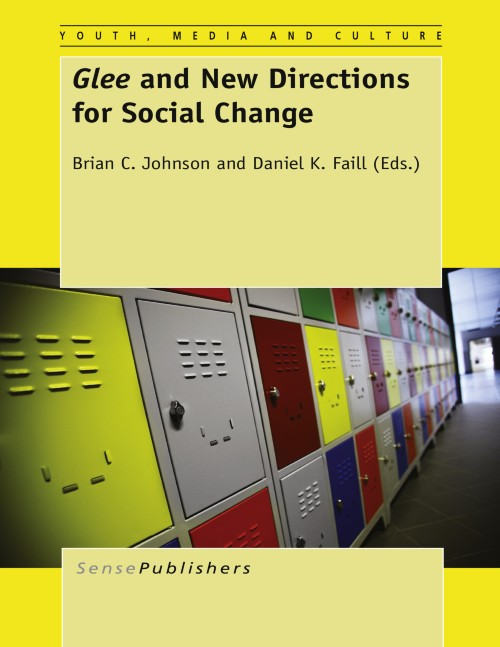
245 10|aGlee and New Directions for Social Change|h[electronic resource] /|cedited by Brian C. Johnson, Daniel K. Faill.
250 |a1st ed. 2015.
264 1|aRotterdam :|bSensePublishers :|bImprint: SensePublishers,|c2015.
300 |aXVI, 232 p.|bonline resource.
336 |atext|btxt|2rdacontent
337 |acomputer|bc|2rdamedia
338 |aonline resource|bcr|2rdacarrier
347 |atext file|bPDF|2rda
490 1 |aYouth, Media, & Culture Series
520 |aIn the fall of 2009, the Fox network took a bold step in their primetime television lineup. Borrowing from the success of reality music performance shows like its own American Idol, the network introduced us to the students at McKinley High School, a fictional high school in Lima, OH, and home to the glee club known as the New Directions. The group is made up of freaks and geeks who feel the wrath of being “different.” The cool kids are hell bent on making life difficult for the students in glee club. Yet, because of the determination of Mr. Will Schuester, the club’s advisor, along with a few great songs, Glee has brought a new tone of inclusion to modern television and direct parallels can be seen between the experiences of the show choir members and what is happening in contemporary society. Glee has shown the importance of examining the intersections of pop culture and social issues; this text will encourage thinking on how effective the show has been beyond the screen. Essays provide critical analyses of the show, its characters, and its overall usefulness as a commentary on social issues. The show’s content often deals with subject matter that would lend easily to critique around such social issues as sexuality, bullying, interpersonal communication, conflict resolution, and family relationships. This text invites readers to examine the intersections between media, society, and the individual.
532 8 |aAccessibility summary: This PDF eBook is produced by a third-party. We have requested that the file be made accessible and compliant with the European Accessibility Act (EAA). However, we have not been able to fully verify its compliance with recognized accessibility standards (such as PDF/UA or WCAG). For detailed accessibility information, please refer to the original publisher’s website. If you require an accessible version of this content, please contact accessibilitysupport@springernature.com. We are committed to improving accessibility and will work with the publisher to meet your needs wherever possible.
532 8 |aPublisher contact for further accessibility information: accessibilitysupport@springernature.com
650 0|aEducation.
650 14|aEducation.
700 1 |aJohnson, Brian C.|eeditor.|4edt|4http://id.loc.gov/vocabulary/relators/edt
700 1 |aFaill, Daniel K.|eeditor.|4edt|4http://id.loc.gov/vocabulary/relators/edt
710 2 |aSpringerLink (Online service)
773 0 |tSpringer Nature eBook
830 0|aYouth, Media, & Culture Series
856 40|uhttps://doi.org/10.1007/978-94-6209-905-0
912 |aZDB-2-SHU
912 |aZDB-2-SXED
950 |aHumanities, Social Sciences and Law (SpringerNature-11648)
950 |aEducation (R0) (SpringerNature-43721)