LEADER 04127nam a22004575i 4500
001 811944
003 TR_AnAIT
005 20260131004052
007 cr nn 008mamaa
008 130220s2013 ne | s |||| 0|eng d
020 |a9789462091252|9978-94-6209-125-2
024 7 |a10.1007/978-94-6209-125-2|2doi
041 |aeng
049 |aTürk Tarih Kurumu Kütüphanesi
050 4|aL1-991
072 7|aJN|2bicssc
072 7|aEDU000000|2bisacsh
072 7|aJN|2thema
082 04|a370|223
090 |aDK/13202
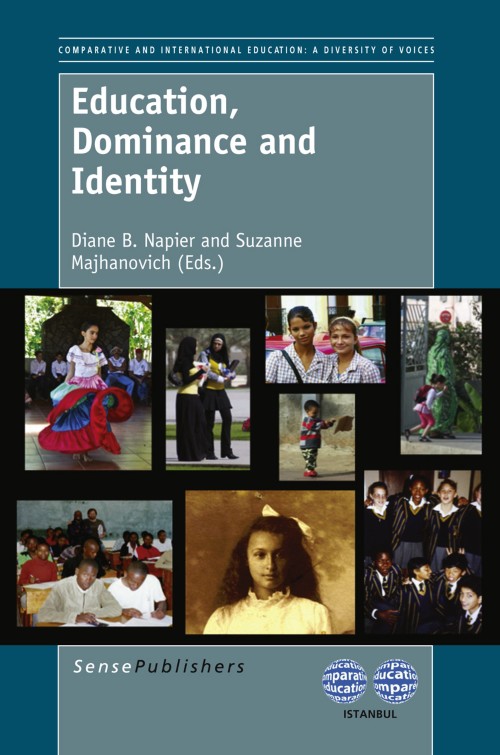
245 10|aEducation, Dominance and Identity|h[electronic resource] /|cedited by Diane B. Napier, Suzanne Majhanovich.
250 |a1st ed. 2013.
264 1|aRotterdam :|bSensePublishers :|bImprint: SensePublishers,|c2013.
300 |aX, 243 p.|bonline resource.
336 |atext|btxt|2rdacontent
337 |acomputer|bc|2rdamedia
338 |aonline resource|bcr|2rdacarrier
347 |atext file|bPDF|2rda
490 1 |aComparative and International Education: A Diversity of Voices, A Diversity of Voices,|x2214-9899 ;|v1
520 |aThis volume is a collection of research cases illustrating the interrelationships among education, dominance and identity in historical- and contemporary contexts. The cases reflect particular ways in which local-, group, and indigenous identities have been affected by a dominant discourse, how education can support or undermine identity, and how languages (including dominant and sub-dominant languages) and the language of instruction in schools are at the centre of challenges to hegemony and domination in many situations. Examining the issues in their research, the contributors reveal how members of minority-, disadvantaged-, or dominated groups (and the teachers and parents of children in their schools) struggle for recognition, for education in their own language, for acceptance within larger society, or for recognition of the validity of their responses to reform initiatives and policies that address a wider agenda but that fail to take into account key factors such as perceptions and subaltern status. Collectively, the chapters document research employing a variety of methodological approaches and theoretical perspectives, illustrating an array of universal and global issues in the field of comparative and international education. However, each of the cases its own unique character, as research findings and as personal reflections based on the authors’ experiential knowledge in particular social, cultural and political contexts. The contexts and regional settings include Chile, Canada, the United States, Hungary and elsewhere in East-Central Europe, France, Germany, Spain, Malaysia, Tanzania, South Africa, Cyprus, Tunisia, Egypt, Iran and elsewhere in the Middle East.
532 8 |aAccessibility summary: This PDF eBook is produced by a third-party. We have requested that the file be made accessible and compliant with the European Accessibility Act (EAA). However, we have not been able to fully verify its compliance with recognized accessibility standards (such as PDF/UA or WCAG). For detailed accessibility information, please refer to the original publisher’s website. If you require an accessible version of this content, please contact accessibilitysupport@springernature.com. We are committed to improving accessibility and will work with the publisher to meet your needs wherever possible.
532 8 |aPublisher contact for further accessibility information: accessibilitysupport@springernature.com
650 0|aEducation.
650 14|aEducation.
700 1 |aNapier, Diane B.|eeditor.|4edt|4http://id.loc.gov/vocabulary/relators/edt
700 1 |aMajhanovich, Suzanne.|eeditor.|4edt|4http://id.loc.gov/vocabulary/relators/edt
710 2 |aSpringerLink (Online service)
773 0 |tSpringer Nature eBook
830 0|aComparative and International Education: A Diversity of Voices, A Diversity of Voices,|x2214-9899 ;|v1
856 40|uhttps://doi.org/10.1007/978-94-6209-125-2
912 |aZDB-2-SHU
912 |aZDB-2-SXED
950 |aHumanities, Social Sciences and Law (SpringerNature-11648)
950 |aEducation (R0) (SpringerNature-43721)