LEADER 04118nam a22004935i 4500
001 812266
003 TR_AnAIT
005 20260131000829
007 cr nn 008mamaa
008 111117s2011 ne | s |||| 0|eng d
020 |a9789460915284|9978-94-6091-528-4
024 7 |a10.1007/978-94-6091-528-4|2doi
041 |aeng
049 |aTürk Tarih Kurumu Kütüphanesi
050 4|aQ181-183.4
072 7|aJNU|2bicssc
072 7|aPD|2bicssc
072 7|aSCI063000|2bisacsh
072 7|aJNU|2thema
072 7|aPD|2thema
082 04|a507.1|223
090 |aDK/13521
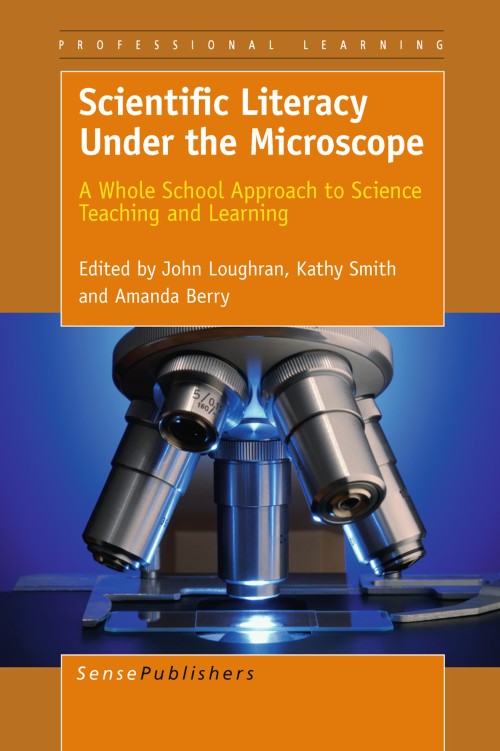
245 10|aScientific Literacy Under the Microscope|h[electronic resource] :|bA Whole School Approach to Science Teaching and Learning /|cedited by John Loughran, Kathy Smith, Amanda Berry.
250 |a1st ed. 2011.
264 1|aRotterdam :|bSensePublishers :|bImprint: SensePublishers,|c2011.
300 |aVII, 155 p.|bonline resource.
336 |atext|btxt|2rdacontent
337 |acomputer|bc|2rdamedia
338 |aonline resource|bcr|2rdacarrier
347 |atext file|bPDF|2rda
490 1 |aProfessional Learning ;|v11
520 |aScientific literacy is generally valued and acknowledged among educators as a desirable student learning outcome. However, what scientific literacy really means in terms of classroom practice and student learning is debatable due to the inherent complexity of the term and varying expectations of what it means for learning outcomes. To date the teacher voice has been noticeably absent from this debate even though the very nature of teacher expertise lies at the heart of the processes which shape students’ scientific literacy. The chapters that comprise this book tap into the expertise of a group of primary teachers from Our Lady of Good Counsel (OLGC), a primary school that chose to actively engage in teaching for scientific literacy. By analyzing the insights and thinking that emerged as they attempted to unravel some of the pedagogical complexities associated with constructing an understanding of scientific literacy in their own classrooms, these teachers demonstrate the professional knowledge and skill inherent in the expertise of teaching and learning science in a primary classroom. The chapters in this book illustrate the processes and structures that were created at OGLC to provide the conditions that allowed these teachers to explore and build on the range of ideas that informed their approach to teaching for scientific literacy. This book is a compelling example of how a whole school approach to scientific literacy can make a difference for students’ learning of science and offer a concrete example of the development of professional knowledge and practice of teachers.
532 8 |aAccessibility summary: This PDF eBook is produced by a third-party. We have requested that the file be made accessible and compliant with the European Accessibility Act (EAA). However, we have not been able to fully verify its compliance with recognized accessibility standards (such as PDF/UA or WCAG). For detailed accessibility information, please refer to the original publisher’s website. If you require an accessible version of this content, please contact accessibilitysupport@springernature.com. We are committed to improving accessibility and will work with the publisher to meet your needs wherever possible.
532 8 |aPublisher contact for further accessibility information: accessibilitysupport@springernature.com
650 0|aScience|xStudy and teaching.
650 14|aScience Education.
700 1 |aLoughran, John.|eeditor.|4edt|4http://id.loc.gov/vocabulary/relators/edt
700 1 |aSmith, Kathy.|eeditor.|4edt|4http://id.loc.gov/vocabulary/relators/edt
700 1 |aBerry, Amanda.|eeditor.|4edt|4http://id.loc.gov/vocabulary/relators/edt
710 2 |aSpringerLink (Online service)
773 0 |tSpringer Nature eBook
830 0|aProfessional Learning ;|v11
856 40|uhttps://doi.org/10.1007/978-94-6091-528-4
912 |aZDB-2-SHU
912 |aZDB-2-SXED
950 |aHumanities, Social Sciences and Law (SpringerNature-11648)
950 |aEducation (R0) (SpringerNature-43721)