LEADER 03604nam a22004455i 4500
001 812702
003 TR_AnAIT
005 20260130233244
007 cr nn 008mamaa
008 130420s2013 ne | s |||| 0|eng d
020 |a9789462091436|9978-94-6209-143-6
024 7 |a10.1007/978-94-6209-143-6|2doi
041 |aeng
049 |aTürk Tarih Kurumu Kütüphanesi
050 4|aL1-991
072 7|aJN|2bicssc
072 7|aEDU000000|2bisacsh
072 7|aJN|2thema
082 04|a370|223
090 |aDK/13948
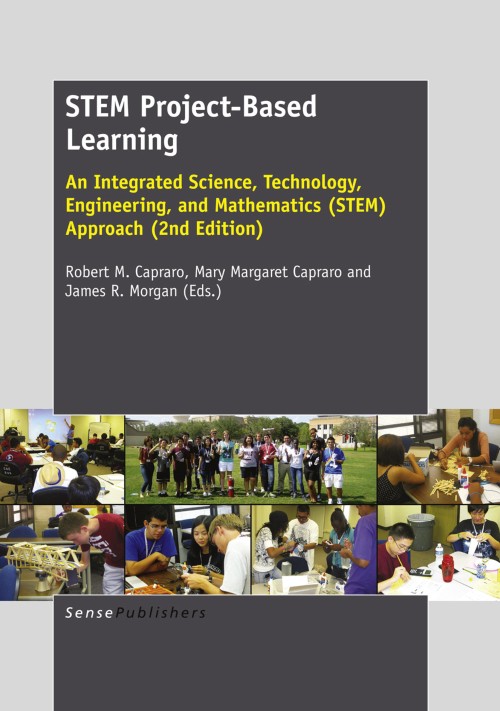
245 10|aSTEM Project-Based Learning|h[electronic resource] :|bAn Integrated Science, Technology, Engineering, and Mathematics (STEM) Approach /|cedited by Robert M. Capraro, Mary Margaret Capraro, James R. Morgan.
250 |a1st ed. 2013.
264 1|aRotterdam :|bSensePublishers :|bImprint: SensePublishers,|c2013.
300 |aXII, 210 p.|bonline resource.
336 |atext|btxt|2rdacontent
337 |acomputer|bc|2rdamedia
338 |aonline resource|bcr|2rdacarrier
347 |atext file|bPDF|2rda
520 |aThis second edition of Project-Based Learning (PBL) presents an original approach to Science, Technology, Engineering and Mathematics (STEM) centric PBL. We define PBL as an “ill-defined task with a well-defined outcome,” which is consistent with our engineering design philosophy and the accountability highlighted in a standards-based environment. This model emphasizes a backward design that is initiated by well-defined outcomes, tied to local, state, or national standard that provide teachers with a framework guiding students’ design, solving, or completion of ill-defined tasks. This book was designed for middle and secondary teachers who want to improve engagement and provide contextualized learning for their students. However, the nature and scope of the content covered in the 14 chapters are appropriate for preservice teachers as well as for advanced graduate method courses. New to this edition is revised and expanded coverage of STEM PBL, including implementing STEM PBL with English Language Learners and the use of technology in PBL. The book also includes many new teacher-friendly forms, such as advanced organizers, team contracts for STEM PBL, and rubrics for assessing PBL in a larger format.
532 8 |aAccessibility summary: This PDF eBook is produced by a third-party. We have requested that the file be made accessible and compliant with the European Accessibility Act (EAA). However, we have not been able to fully verify its compliance with recognized accessibility standards (such as PDF/UA or WCAG). For detailed accessibility information, please refer to the original publisher’s website. If you require an accessible version of this content, please contact accessibilitysupport@springernature.com. We are committed to improving accessibility and will work with the publisher to meet your needs wherever possible.
532 8 |aPublisher contact for further accessibility information: accessibilitysupport@springernature.com
650 0|aEducation.
650 14|aEducation.
700 1 |aCapraro, Robert M.|eeditor.|4edt|4http://id.loc.gov/vocabulary/relators/edt
700 1 |aCapraro, Mary Margaret.|eeditor.|4edt|4http://id.loc.gov/vocabulary/relators/edt
700 1 |aMorgan, James R.|eeditor.|4edt|4http://id.loc.gov/vocabulary/relators/edt
710 2 |aSpringerLink (Online service)
773 0 |tSpringer Nature eBook
856 40|uhttps://doi.org/10.1007/978-94-6209-143-6
912 |aZDB-2-SHU
912 |aZDB-2-SXED
950 |aHumanities, Social Sciences and Law (SpringerNature-11648)
950 |aEducation (R0) (SpringerNature-43721)