LEADER 04182nam a22004575i 4500
001 813694
003 TR_AnAIT
005 20260130223737
007 cr nn 008mamaa
008 120118s2011 ne | s |||| 0|eng d
020 |a9789460915963|9978-94-6091-596-3
024 7 |a10.1007/978-94-6091-596-3|2doi
041 |aeng
049 |aTürk Tarih Kurumu Kütüphanesi
050 4|aL1-991
072 7|aJN|2bicssc
072 7|aEDU000000|2bisacsh
072 7|aJN|2thema
082 04|a370|223
090 |aDK/14935
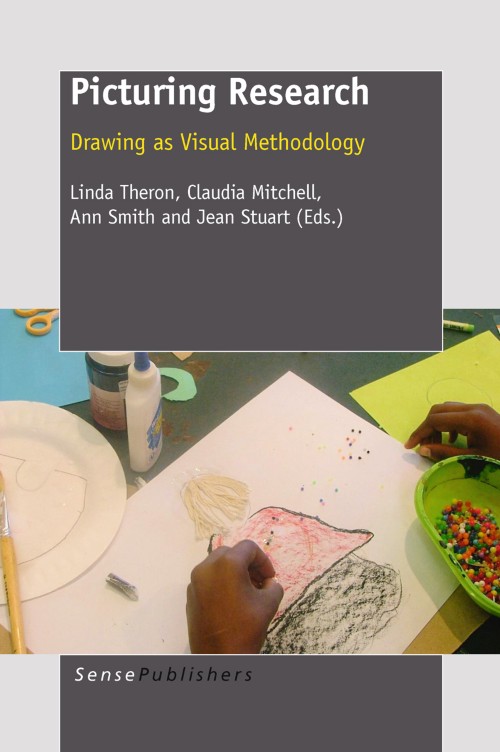
245 10|aPicturing Research|h[electronic resource] /|cedited by Linda Theron, Claudia Mitchell, Ann Smith, Jean Stuart.
250 |a1st ed. 2011.
264 1|aRotterdam :|bSensePublishers :|bImprint: SensePublishers,|c2011.
300 |aXIV, 244 p.|bonline resource.
336 |atext|btxt|2rdacontent
337 |acomputer|bc|2rdamedia
338 |aonline resource|bcr|2rdacarrier
347 |atext file|bPDF|2rda
520 |aPicturing research: drawing as visual methodology offers a timely analysis of the use of drawings in qualitative research. Drawing can be a method in itself, as in the research area of Visual Studies, and also one that complements the use of photography, video, and other visual methodologies. This edited volume is divided into two sections. The first section provides critical commentary on the use of drawings in social science research, addressing such issues of methodology as the politics of working with children and drawing, ethical issues in working with both adults and children, and some of the interpretive considerations. The second section, in its presentation of nine research-based case-studies, illustrates the richness of drawings. Each case study explores participatory research involving drawings that encourages social change, or illustrates participant resilience. These case studies also highlight the various genres of drawings including cartoons and storyboarding. The book draws on community-based research from a wide variety of contexts, most in South Africa, although it also includes work from Rwanda and Lesotho. Given the high rates of HIV&AIDS in sub-Saharan Africa, it should not be surprising that many of the chapters take up concerns such as the preparation of teachers and community health workers in the age of AIDS, and the experiences of orphans and vulnerable children. Moving further afield, this book also includes work done with immigrant populations in Canada, and with tribunals in Somalia and Australia. Picturing research is an important resource for novice and experienced researchers interested in employing qualitative methodology that encourages rich (yet low-tech) visible data and that offers a participatory, enabling experience for participants and their communities.
532 8 |aAccessibility summary: This PDF eBook is produced by a third-party. We have requested that the file be made accessible and compliant with the European Accessibility Act (EAA). However, we have not been able to fully verify its compliance with recognized accessibility standards (such as PDF/UA or WCAG). For detailed accessibility information, please refer to the original publisher’s website. If you require an accessible version of this content, please contact accessibilitysupport@springernature.com. We are committed to improving accessibility and will work with the publisher to meet your needs wherever possible.
532 8 |aPublisher contact for further accessibility information: accessibilitysupport@springernature.com
650 0|aEducation.
650 14|aEducation.
700 1 |aTheron, Linda.|eeditor.|4edt|4http://id.loc.gov/vocabulary/relators/edt
700 1 |aMitchell, Claudia.|eeditor.|4edt|4http://id.loc.gov/vocabulary/relators/edt
700 1 |aSmith, Ann.|eeditor.|4edt|4http://id.loc.gov/vocabulary/relators/edt
700 1 |aStuart, Jean.|eeditor.|4edt|4http://id.loc.gov/vocabulary/relators/edt
710 2 |aSpringerLink (Online service)
773 0 |tSpringer Nature eBook
856 40|uhttps://doi.org/10.1007/978-94-6091-596-3
912 |aZDB-2-SHU
912 |aZDB-2-SXED
950 |aHumanities, Social Sciences and Law (SpringerNature-11648)
950 |aEducation (R0) (SpringerNature-43721)