LEADER 03869nam a22004455i 4500
001 813969
003 TR_AnAIT
005 20260130222304
007 cr nn 008mamaa
008 150617s2015 ne | s |||| 0|eng d
020 |a9789463000468|9978-94-6300-046-8
024 7 |a10.1007/978-94-6300-046-8|2doi
041 |aeng
049 |aTürk Tarih Kurumu Kütüphanesi
050 4|aL1-991
072 7|aJN|2bicssc
072 7|aEDU000000|2bisacsh
072 7|aJN|2thema
082 04|a370|223
090 |aDK/15208
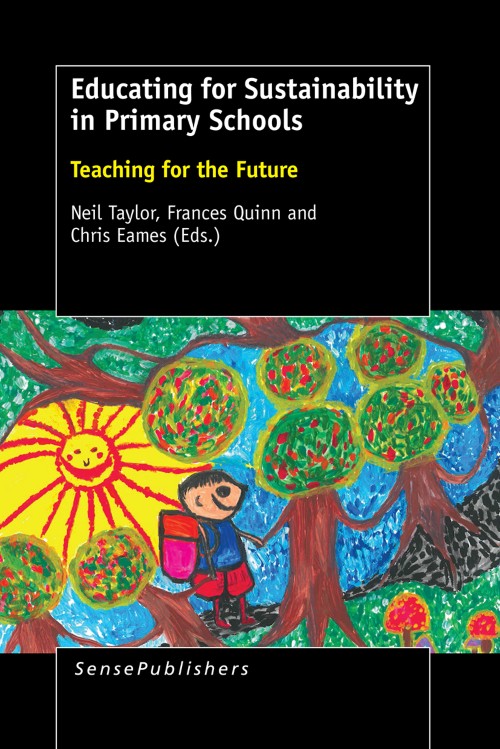
245 10|aEducating for Sustainability in Primary Schools|h[electronic resource] :|bTeaching for the Future /|cedited by Neil Taylor, Frances Quinn, Chris Eames.
250 |a1st ed. 2015.
264 1|aRotterdam :|bSensePublishers :|bImprint: SensePublishers,|c2015.
300 |aX, 370 p.|bonline resource.
336 |atext|btxt|2rdacontent
337 |acomputer|bc|2rdamedia
338 |aonline resource|bcr|2rdacarrier
347 |atext file|bPDF|2rda
520 |aEducation for Sustainability is a key priority in today’s schools, as our society seeks to find a balance between environmental, social, cultural, political and economic imperatives that affect our future. As young children will become the next generation of adults, it is vital that they are educated about sustainability issues, so that they can learn to make informed decisions and take positive action for a sustainable world. Teachers are ideally placed to educate for sustainability issues, and indeed have a responsibility to do so. However, they often lack support and experience in this area, and constraints of current curriculum priorities can inhibit Education for Sustainability being taught effectively in many classrooms. Educating for Sustainability in Primary Schools: Teaching for the Future addresses this problem by showing how Education for Sustainability can be developed within and across all areas of the primary curriculum in the Australian and New Zealand contexts. The book provides a range of educational approaches and examples of activities to support teachers in addressing national requirements for teaching the major primary curriculum learning areas, while simultaneously educating for sustainability. This integrative approach to primary education can promote knowledge of, positive attitudes towards and suitable action for sustainability in relevant, meaningful, enjoyable and creative ways. This book is a valuable resource for all primary teachers who wish to make a real difference to educating children for the future.
532 8 |aAccessibility summary: This PDF eBook is produced by a third-party. We have requested that the file be made accessible and compliant with the European Accessibility Act (EAA). However, we have not been able to fully verify its compliance with recognized accessibility standards (such as PDF/UA or WCAG). For detailed accessibility information, please refer to the original publisher’s website. If you require an accessible version of this content, please contact accessibilitysupport@springernature.com. We are committed to improving accessibility and will work with the publisher to meet your needs wherever possible.
532 8 |aPublisher contact for further accessibility information: accessibilitysupport@springernature.com
650 0|aEducation.
650 14|aEducation.
700 1 |aTaylor, Neil.|eeditor.|4edt|4http://id.loc.gov/vocabulary/relators/edt
700 1 |aQuinn, Frances.|eeditor.|4edt|4http://id.loc.gov/vocabulary/relators/edt
700 1 |aEames, Chris.|eeditor.|4edt|4http://id.loc.gov/vocabulary/relators/edt
710 2 |aSpringerLink (Online service)
773 0 |tSpringer Nature eBook
856 40|uhttps://doi.org/10.1007/978-94-6300-046-8
912 |aZDB-2-SHU
912 |aZDB-2-SXED
950 |aHumanities, Social Sciences and Law (SpringerNature-11648)
950 |aEducation (R0) (SpringerNature-43721)