

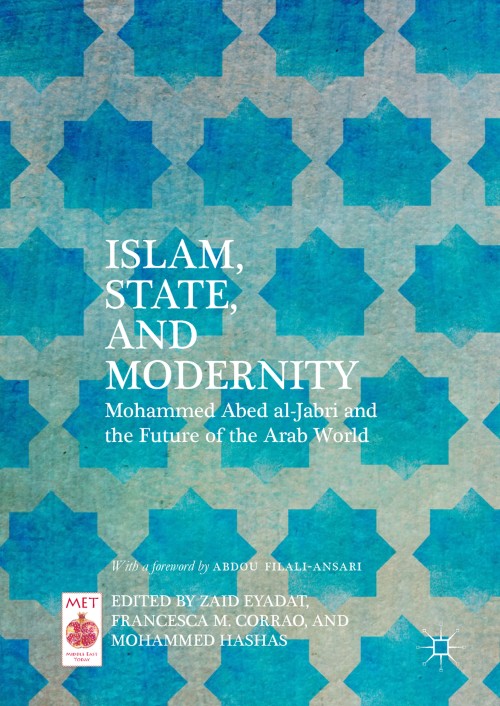
Islam, State, and Modernity [electronic resource] : Mohammed Abed al-Jabri and the Future of the Arab World / edited by Zaid Eyadat, Francesca M. Corrao, Mohammed Hashas.
Erişim Adresi
ISBN
9781137597601
Dil Kodu
İngilizce
Yer Numarası
DK/18857
Basım Bildirimi
1st ed. 2018.
Yayın Bilgisi
New York : Palgrave Macmillan US : Imprint: Palgrave Macmillan, 2018.
Fiziksel Niteleme
XXIII, 320 p. online resource.
Dizi
Middle East Today, 2945-7025
İçindekiler Notu
1. Introduction. Critique and Change: al-Jabri in Contemporary Arab Thought -- 2. Mohammed Abed al-Jabri and Ibn Khaldun: A Path to Modernity -- 3. The Critique of Arab Reason between al-Jabri and Tarabishi -- 4. The Arab Reader by al-Jabri: The Question of Disjunction and Rejunction -- 5. An Intellectual between the Maghreb and the Mashreq: al-Jabri and the Location of Thought -- 6. Al-Jabri and His Introduction to the Qur’ān -- 7. The International Becoming of an Arab Philosopher: An Analysis of the non-Reception of Mohammed Abed al-Jabri in Euro-American Scholarship -- 8. Al-Jabri in Indonesia: Critique of Arab Reason Travels to the Lands Below the Winds -- 9. State and Religion in al-Jabri’s Political Thought -- 10. Dare to be Wise! On the Reception of al-Jabri Post-2011 -- 11. Reflections on Education and Culture in al-Jabri’s Thought -- 12. A Critique of al-Jabri’s Arab Ethical Reason -- 13. The Ethical Dialectic in al-Jabri’s “Critique of Arab Reason” -- 14. The Arab Possible State: from al-Tahtawi to al-Jabri. .
Özet, vb.
This book offers the first comprehensive introduction to one of the most significant Arab thinkers of the late 20th century and the early 21st century: the Moroccan philosopher and social theorist Mohammed Abed al-Jabri. With his intellectual and political engagement, al-Jabri has influenced the development of a modern reading of the Islamic tradition in the broad Arab-Islamic world and has been, in recent years, subject to an increasing interest among Muslims and non-Muslim scholars, social activists and lay men. The contributors to this volume read al-Jabri with reference to prominent past Arab-Muslim scholars, such as Ibn Rushd, al-Ghazali, al-Shatibi, and Ibn Khaldun, as well as contemporary Arab philosophers, like Hassan Hanafi, Abdellah Laroui, George Tarabishi, Taha Abderrahmane; they engage with various aspects of his intellectual project, and trace his influence in non-Arab-Islamic lands, like Indonesia, as well. His analysis of Arab thought since the 1970s as a harbinger analysis of the ongoing “Arab Spring uprising” remains relevant for today's political challenges in the region.
Konu
Middle East __ Politics and government.
Political science.
Comparative government.
Political planning.
Islam __ Doctrines.
Religion and sociology.
Middle Eastern Politics.
Political Theory.
Comparative Politics.
Public Policy.
Islamic Theology.
Sociology of Religion.
Political science.
Comparative government.
Political planning.
Islam __ Doctrines.
Religion and sociology.
Middle Eastern Politics.
Political Theory.
Comparative Politics.
Public Policy.
Islamic Theology.
Sociology of Religion.
Diğer Yazarlar
Kurum Adı
Eseri Alıntıla
Referansları kullanmadan önce gözden geçirmeniz ve varsa gerekli düzeltmeleri yapmanız önerilir.
Dijital Kaynak
MARC Görünümü
LEADER 05187nam a22006615i 4500
001 817646
003 TR_AnAIT
005 20260130185005
007 cr nn 008mamaa
008 170817s2018 xxu| s |||| 0|eng d
020 |a9781137597601|9978-1-137-59760-1
024 7 |a10.1057/978-1-137-59760-1|2doi
041 |aeng
049 |aTürk Tarih Kurumu Kütüphanesi
050 4|aJQ1758-1852
072 7|aJP|2bicssc
072 7|a1FB|2bicssc
072 7|aPOL059000|2bisacsh
072 7|aJP|x1FB|2thema
082 04|a320.956|223
090 |aDK/18857
245 10|aIslam, State, and Modernity|h[electronic resource] :|bMohammed Abed al-Jabri and the Future of the Arab World /|cedited by Zaid Eyadat, Francesca M. Corrao, Mohammed Hashas.
250 |a1st ed. 2018.
264 1|aNew York :|bPalgrave Macmillan US :|bImprint: Palgrave Macmillan,|c2018.
300 |aXXIII, 320 p.|bonline resource.
336 |atext|btxt|2rdacontent
337 |acomputer|bc|2rdamedia
338 |aonline resource|bcr|2rdacarrier
347 |atext file|bPDF|2rda
490 1 |aMiddle East Today,|x2945-7025
505 0 |a1. Introduction. Critique and Change: al-Jabri in Contemporary Arab Thought -- 2. Mohammed Abed al-Jabri and Ibn Khaldun: A Path to Modernity -- 3. The Critique of Arab Reason between al-Jabri and Tarabishi -- 4. The Arab Reader by al-Jabri: The Question of Disjunction and Rejunction -- 5. An Intellectual between the Maghreb and the Mashreq: al-Jabri and the Location of Thought -- 6. Al-Jabri and His Introduction to the Qur’ān -- 7. The International Becoming of an Arab Philosopher: An Analysis of the non-Reception of Mohammed Abed al-Jabri in Euro-American Scholarship -- 8. Al-Jabri in Indonesia: Critique of Arab Reason Travels to the Lands Below the Winds -- 9. State and Religion in al-Jabri’s Political Thought -- 10. Dare to be Wise! On the Reception of al-Jabri Post-2011 -- 11. Reflections on Education and Culture in al-Jabri’s Thought -- 12. A Critique of al-Jabri’s Arab Ethical Reason -- 13. The Ethical Dialectic in al-Jabri’s “Critique of Arab Reason” -- 14. The Arab Possible State: from al-Tahtawi to al-Jabri. .
520 |aThis book offers the first comprehensive introduction to one of the most significant Arab thinkers of the late 20th century and the early 21st century: the Moroccan philosopher and social theorist Mohammed Abed al-Jabri. With his intellectual and political engagement, al-Jabri has influenced the development of a modern reading of the Islamic tradition in the broad Arab-Islamic world and has been, in recent years, subject to an increasing interest among Muslims and non-Muslim scholars, social activists and lay men. The contributors to this volume read al-Jabri with reference to prominent past Arab-Muslim scholars, such as Ibn Rushd, al-Ghazali, al-Shatibi, and Ibn Khaldun, as well as contemporary Arab philosophers, like Hassan Hanafi, Abdellah Laroui, George Tarabishi, Taha Abderrahmane; they engage with various aspects of his intellectual project, and trace his influence in non-Arab-Islamic lands, like Indonesia, as well. His analysis of Arab thought since the 1970s as a harbinger analysis of the ongoing “Arab Spring uprising” remains relevant for today's political challenges in the region.
532 8 |aAccessibility summary: This PDF was produced prior to the implementation of current accessibility best practices. It supports searchable and selectable text. It may or may not include elements such as described non-text content (images, graphs etc), reflowable text or screen reader compatibility. Users with accessibility needs may experience limitations. Please contact us at accessibilitysupport@springernature.com if you require assistance or an alternative format.
532 8 |aNo reading system accessibility options actively disabled
532 8 |aPublisher contact for further accessibility information: accessibilitysupport@springernature.com
650 0|aMiddle East|xPolitics and government.
650 0|aPolitical science.
650 0|aComparative government.
650 0|aPolitical planning.
650 0|aIslam|xDoctrines.
650 0|aReligion and sociology.
650 14|aMiddle Eastern Politics.
650 24|aPolitical Theory.
650 24|aComparative Politics.
650 24|aPublic Policy.
650 24|aIslamic Theology.
650 24|aSociology of Religion.
700 1 |aEyadat, Zaid.|eeditor.|4edt|4http://id.loc.gov/vocabulary/relators/edt
700 1 |aCorrao, Francesca M.|eeditor.|4edt|4http://id.loc.gov/vocabulary/relators/edt
700 1 |aHashas, Mohammed.|eeditor.|4edt|4http://id.loc.gov/vocabulary/relators/edt
710 2 |aSpringerLink (Online service)
773 0 |tSpringer Nature eBook
776 08|iPrinted edition:|z9781349931743
776 08|iPrinted edition:|z9781349951550
776 08|iPrinted edition:|z9781349958955
830 0|aMiddle East Today,|x2945-7025
856 40|uhttps://doi.org/10.1057/978-1-137-59760-1
912 |aZDB-2-POS
912 |aZDB-2-SXPI
950 |aPolitical Science and International Studies (SpringerNature-41174)
950 |aPolitical Science and International Studies (R0) (SpringerNature-43724)
001 817646
003 TR_AnAIT
005 20260130185005
007 cr nn 008mamaa
008 170817s2018 xxu| s |||| 0|eng d
020 |a9781137597601|9978-1-137-59760-1
024 7 |a10.1057/978-1-137-59760-1|2doi
041 |aeng
049 |aTürk Tarih Kurumu Kütüphanesi
050 4|aJQ1758-1852
072 7|aJP|2bicssc
072 7|a1FB|2bicssc
072 7|aPOL059000|2bisacsh
072 7|aJP|x1FB|2thema
082 04|a320.956|223
090 |aDK/18857
245 10|aIslam, State, and Modernity|h[electronic resource] :|bMohammed Abed al-Jabri and the Future of the Arab World /|cedited by Zaid Eyadat, Francesca M. Corrao, Mohammed Hashas.
250 |a1st ed. 2018.
264 1|aNew York :|bPalgrave Macmillan US :|bImprint: Palgrave Macmillan,|c2018.
300 |aXXIII, 320 p.|bonline resource.
336 |atext|btxt|2rdacontent
337 |acomputer|bc|2rdamedia
338 |aonline resource|bcr|2rdacarrier
347 |atext file|bPDF|2rda
490 1 |aMiddle East Today,|x2945-7025
505 0 |a1. Introduction. Critique and Change: al-Jabri in Contemporary Arab Thought -- 2. Mohammed Abed al-Jabri and Ibn Khaldun: A Path to Modernity -- 3. The Critique of Arab Reason between al-Jabri and Tarabishi -- 4. The Arab Reader by al-Jabri: The Question of Disjunction and Rejunction -- 5. An Intellectual between the Maghreb and the Mashreq: al-Jabri and the Location of Thought -- 6. Al-Jabri and His Introduction to the Qur’ān -- 7. The International Becoming of an Arab Philosopher: An Analysis of the non-Reception of Mohammed Abed al-Jabri in Euro-American Scholarship -- 8. Al-Jabri in Indonesia: Critique of Arab Reason Travels to the Lands Below the Winds -- 9. State and Religion in al-Jabri’s Political Thought -- 10. Dare to be Wise! On the Reception of al-Jabri Post-2011 -- 11. Reflections on Education and Culture in al-Jabri’s Thought -- 12. A Critique of al-Jabri’s Arab Ethical Reason -- 13. The Ethical Dialectic in al-Jabri’s “Critique of Arab Reason” -- 14. The Arab Possible State: from al-Tahtawi to al-Jabri. .
520 |aThis book offers the first comprehensive introduction to one of the most significant Arab thinkers of the late 20th century and the early 21st century: the Moroccan philosopher and social theorist Mohammed Abed al-Jabri. With his intellectual and political engagement, al-Jabri has influenced the development of a modern reading of the Islamic tradition in the broad Arab-Islamic world and has been, in recent years, subject to an increasing interest among Muslims and non-Muslim scholars, social activists and lay men. The contributors to this volume read al-Jabri with reference to prominent past Arab-Muslim scholars, such as Ibn Rushd, al-Ghazali, al-Shatibi, and Ibn Khaldun, as well as contemporary Arab philosophers, like Hassan Hanafi, Abdellah Laroui, George Tarabishi, Taha Abderrahmane; they engage with various aspects of his intellectual project, and trace his influence in non-Arab-Islamic lands, like Indonesia, as well. His analysis of Arab thought since the 1970s as a harbinger analysis of the ongoing “Arab Spring uprising” remains relevant for today's political challenges in the region.
532 8 |aAccessibility summary: This PDF was produced prior to the implementation of current accessibility best practices. It supports searchable and selectable text. It may or may not include elements such as described non-text content (images, graphs etc), reflowable text or screen reader compatibility. Users with accessibility needs may experience limitations. Please contact us at accessibilitysupport@springernature.com if you require assistance or an alternative format.
532 8 |aNo reading system accessibility options actively disabled
532 8 |aPublisher contact for further accessibility information: accessibilitysupport@springernature.com
650 0|aMiddle East|xPolitics and government.
650 0|aPolitical science.
650 0|aComparative government.
650 0|aPolitical planning.
650 0|aIslam|xDoctrines.
650 0|aReligion and sociology.
650 14|aMiddle Eastern Politics.
650 24|aPolitical Theory.
650 24|aComparative Politics.
650 24|aPublic Policy.
650 24|aIslamic Theology.
650 24|aSociology of Religion.
700 1 |aEyadat, Zaid.|eeditor.|4edt|4http://id.loc.gov/vocabulary/relators/edt
700 1 |aCorrao, Francesca M.|eeditor.|4edt|4http://id.loc.gov/vocabulary/relators/edt
700 1 |aHashas, Mohammed.|eeditor.|4edt|4http://id.loc.gov/vocabulary/relators/edt
710 2 |aSpringerLink (Online service)
773 0 |tSpringer Nature eBook
776 08|iPrinted edition:|z9781349931743
776 08|iPrinted edition:|z9781349951550
776 08|iPrinted edition:|z9781349958955
830 0|aMiddle East Today,|x2945-7025
856 40|uhttps://doi.org/10.1057/978-1-137-59760-1
912 |aZDB-2-POS
912 |aZDB-2-SXPI
950 |aPolitical Science and International Studies (SpringerNature-41174)
950 |aPolitical Science and International Studies (R0) (SpringerNature-43724)
Materyaller
Depodan talep edilen materyal sadece kütüphane içerisinde kullanılmaktadır.
Materyal dışarıya ödünç verilmemektedir.
Materyal dışarıya ödünç verilmemektedir.
