LEADER 03772nam a22006135i 4500
001 818572
003 TR_AnAIT
005 20260130180622
007 cr nn 008mamaa
008 160406s2016 xxu| s |||| 0|eng d
020 |a9781137589392|9978-1-137-58939-2
024 7 |a10.1007/978-1-137-58939-2|2doi
041 |aeng
049 |aTürk Tarih Kurumu Kütüphanesi
050 4|aJZ2-6530
072 7|aJPS|2bicssc
072 7|aPOL011000|2bisacsh
072 7|aJPS|2thema
082 04|a327|223
090 |aDK/19780
100 1 |aKeynoush, Banafsheh.|eauthor.|0(orcid)0009-0001-5250-9699|1https://orcid.org/0009-0001-5250-9699|4aut|4http://id.loc.gov/vocabulary/relators/aut
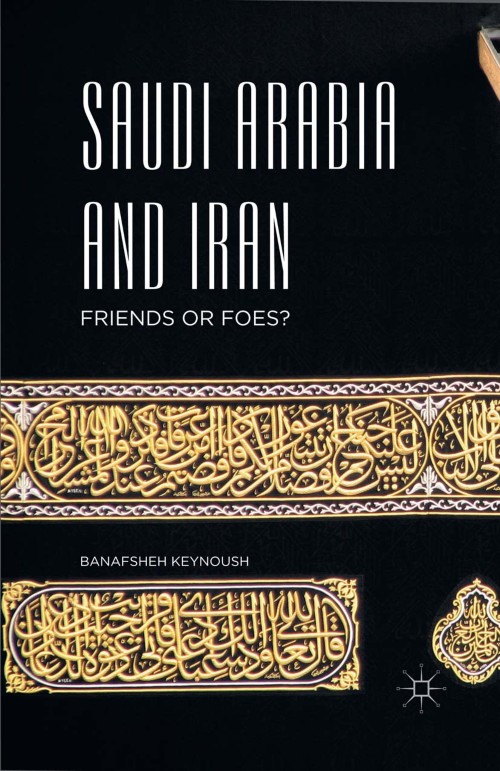
245 10|aSaudi Arabia and Iran|h[electronic resource] :|bFriends or Foes? /|cby Banafsheh Keynoush.
250 |a1st ed. 2016.
264 1|aNew York :|bPalgrave Macmillan US :|bImprint: Palgrave Macmillan,|c2016.
300 |aXI, 277 p.|bonline resource.
336 |atext|btxt|2rdacontent
337 |acomputer|bc|2rdamedia
338 |aonline resource|bcr|2rdacarrier
347 |atext file|bPDF|2rda
520 |aIn a riveting narrative based on accounts of her interactions with Saudi and Iranian politicians and rich archival material, a leading scholar on the Middle East unravels the mysteries of a contentious relationship. This seasoned observer of political and diplomatic worlds shatters the myth of the inevitability of sectarian conflict and that the diplomacy between Saudi Arabia and Iran is exhausted. Instead, Banafsheh Keynoush argues in Saudi Arabia and Iran: Friends or Foes? that it has yet to be explored, by recasting the partnership from a US-centered point of view to one based on how Saudi Arabia and Iran see their roles. Who is to blame and how to fix it is part of this penetrating historic account which captivates readers through accurate, non-sensational, and objective analysis. Keynoush recounts it all: the fears, misunderstandings, prejudices, and ambitions that have hobbled efforts to build a lasting partnership, creating a work that is important to both the expert and thelayperson.
532 8 |aAccessibility summary: This PDF was produced prior to the implementation of current accessibility best practices. It supports searchable and selectable text. It may or may not include elements such as described non-text content (images, graphs etc), reflowable text or screen reader compatibility. Users with accessibility needs may experience limitations. Please contact us at accessibilitysupport@springernature.com if you require assistance or an alternative format.
532 8 |aNo reading system accessibility options actively disabled
532 8 |aPublisher contact for further accessibility information: accessibilitysupport@springernature.com
650 0|aInternational relations.
650 0|aEthnology|xMiddle East .
650 0|aCulture.
650 0|aMiddle East|xPolitics and government.
650 0|aPolitics and war.
650 0|aPeace.
650 0|aPolitical sociology.
650 14|aInternational Relations.
650 24|aMiddle Eastern Culture.
650 24|aMiddle Eastern Politics.
650 24|aMilitary and Defence Studies.
650 24|aPeace and Conflict Studies.
650 24|aPolitical Sociology.
710 2 |aSpringerLink (Online service)
773 0 |tSpringer Nature eBook
776 08|iPrinted edition:|z9781137576279
776 08|iPrinted edition:|z9781349998685
776 08|iPrinted edition:|z9781349995363
776 08|iPrinted edition:|z9781349954131
856 40|uhttps://doi.org/10.1007/978-1-137-58939-2
912 |aZDB-2-POS
912 |aZDB-2-SXPI
950 |aPolitical Science and International Studies (SpringerNature-41174)
950 |aPolitical Science and International Studies (R0) (SpringerNature-43724)