LEADER 02062nam a22004935i 4500
001 824907
003 TR_AnAIT
005 20260130142953
007 cr nn 008mamaa
008 151128s2014 xxu| s |||| 0|eng d
020 |a9781137483942|9978-1-137-48394-2
024 7 |a10.1057/9781137483942|2doi
041 |aeng
049 |aTürk Tarih Kurumu Kütüphanesi
050 4|aJN1-9692.2
072 7|aJP|2bicssc
072 7|a1D|2bicssc
072 7|aPOL058000|2bisacsh
072 7|aJP|x1D|2thema
082 04|a320.94|223
090 |aDK/26048
100 1 |aNester, W.|eauthor.|4aut|4http://id.loc.gov/vocabulary/relators/aut
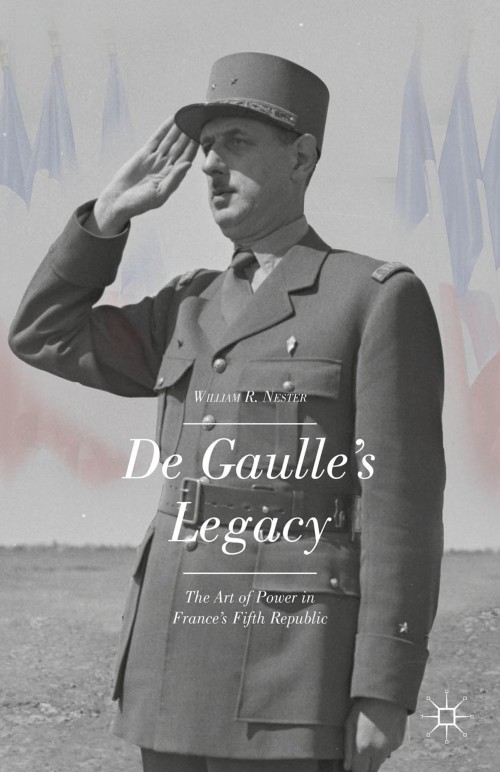
245 10|aDe Gaulle’s Legacy|h[electronic resource] :|bThe Art of Power in France’s Fifth Republic /|cby W. Nester.
250 |a1st ed. 2014.
264 1|aNew York :|bPalgrave Macmillan US :|bImprint: Palgrave Macmillan,|c2014.
300 |aVII, 289 p.|bonline resource.
336 |atext|btxt|2rdacontent
337 |acomputer|bc|2rdamedia
338 |aonline resource|bcr|2rdacarrier
347 |atext file|bPDF|2rda
520 |aThis book explores the following: What is the art of power? What is the art of French power? How did Charles de Gaulle understand and assert power, establishing the Fifth Republic and breaking centuries of political instability? How well or poorly have his successors wielded the art of French power to define, defend, or enhance French interests?
650 0|aEurope|xPolitics and government.
650 0|aPolitical science.
650 0|aSocial sciences.
650 14|aEuropean Politics.
650 24|aPolitical Science.
650 24|aSociety.
710 2 |aSpringerLink (Online service)
773 0 |tSpringer Nature eBook
776 08|iPrinted edition:|z9781137483935
776 08|iPrinted edition:|z9781349503285
776 08|iPrinted edition:|z9781349503292
856 40|uhttps://doi.org/10.1057/9781137483942
912 |aZDB-2-PPS
912 |aZDB-2-SXPI
950 |aPalgrave Political Science Collection (SpringerNature-41144)
950 |aPolitical Science and International Studies (R0) (SpringerNature-43724)