LEADER 02148nam a22005415i 4500
001 825022
003 TR_AnAIT
005 20260131084659
007 cr nn 008mamaa
008 160301s2015 xxu| s |||| 0|eng d
020 |a9781137490636|9978-1-137-49063-6
024 7 |a10.1057/9781137490636|2doi
041 |aeng
049 |aTürk Tarih Kurumu Kütüphanesi
050 4|aJC11-607
072 7|aJPA|2bicssc
072 7|aPOL010000|2bisacsh
072 7|aJPA|2thema
082 04|a320.01|223
090 |aDK/26163
100 1 |aFitzgerald, Sandey.|eauthor.|4aut|4http://id.loc.gov/vocabulary/relators/aut
245 10|aSpectators in the Field of Politics|h[electronic resource] /|cby Sandey Fitzgerald.
250 |a1st ed. 2015.
264 1|aNew York :|bPalgrave Macmillan US :|bImprint: Palgrave Macmillan,|c2015.
300 |aIX, 226 p.|bonline resource.
336 |atext|btxt|2rdacontent
337 |acomputer|bc|2rdamedia
338 |aonline resource|bcr|2rdacarrier
347 |atext file|bPDF|2rda
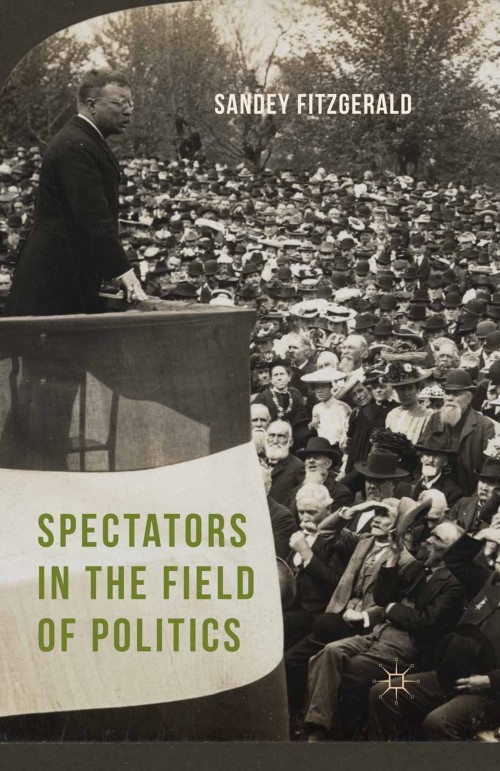
520 |aThe book uses the long-standing theatre metaphor to bring political spectators out into the open, finding that they can be politically powerful. Filling out the metaphor with theatre theory, the book also finds that the metaphor can produce a viable model of democratic politics that incorporates spectators in a positive, meaningful way.
650 0|aPolitical science.
650 0|aPolitical science|xPhilosophy.
650 0|aPolitical planning.
650 0|aSocial sciences.
650 0|aLaw.
650 14|aPolitical Theory.
650 24|aPolitical Philosophy.
650 24|aPolitical Science.
650 24|aPublic Policy.
650 24|aSociety.
650 24|aLaw.
710 2 |aSpringerLink (Online service)
773 0 |tSpringer Nature eBook
776 08|iPrinted edition:|z9781137490612
776 08|iPrinted edition:|z9781349696444
776 08|iPrinted edition:|z9781349696451
856 40|uhttps://doi.org/10.1057/9781137490636
912 |aZDB-2-PPS
912 |aZDB-2-SXPI
950 |aPalgrave Political Science Collection (SpringerNature-41144)
950 |aPolitical Science and International Studies (R0) (SpringerNature-43724)