LEADER 03542nam a22005535i 4500
001 825561
003 TR_AnAIT
005 20260131082420
007 cr nn 008mamaa
008 160429s2004 xxu| s |||| 0|eng d
020 |a9781349733248|9978-1-349-73324-8
024 7 |a10.1007/978-1-349-73324-8|2doi
041 |aeng
049 |aTürk Tarih Kurumu Kütüphanesi
050 4|aBL51
072 7|aHRAB|2bicssc
072 7|aPHI022000|2bisacsh
072 7|aQRAB|2thema
082 04|a210|223
090 |aDK/26689
100 1 |aPinn, A.|eauthor.|4aut|4http://id.loc.gov/vocabulary/relators/aut
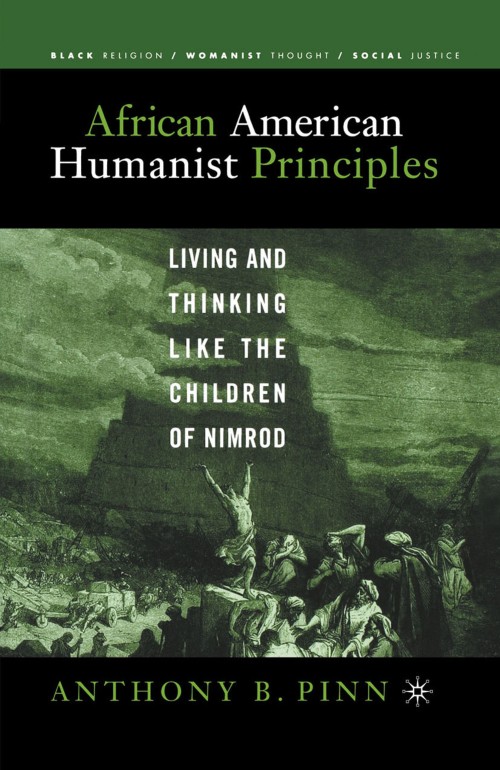
245 10|aReviving the Children of Nimrod|h[electronic resource] :|bLiving and Thinking Like the Children of Nimrod /|cby A. Pinn.
250 |a1st ed. 2004.
264 1|aNew York :|bPalgrave Macmillan US :|bImprint: Palgrave Macmillan,|c2004.
300 |aXXIII, 144 p.|bonline resource.
336 |atext|btxt|2rdacontent
337 |acomputer|bc|2rdamedia
338 |aonline resource|bcr|2rdacarrier
347 |atext file|bPDF|2rda
490 1 |aBlack Religion/Womanist Thought/Social Justice,|x2945-6983
520 |aAs Anthony Pinn argues in his latest collection, humanism comes in many colors. When more attention is given to issues of race as connected to other forms of oppression, it is easier to see the manner in which humanism has lived and functioned within African American communities. Using the biblical figure Nimrod as symbol, African American Humanist Principles demonstrates African American humanists' intellectual and praxis-related grounding in a history of rebellion against over-determined and oppressive limitations on human doing and being. Pinn maintains that it is this quest for a fuller sense of being - for greater existential and ontological worth - that informs the basic principles of African American humanism. African American Humanist Principles is one of the only books to present the inner workings of humanist principles as the foundation for humanism from the African American perspective - its form and content, nature and meaning.
532 8 |aAccessibility summary: This PDF is not accessible. It is based on scanned pages and does not support features such as screen reader compatibility or described non-text content (images, graphs etc). However, it likely supports searchable and selectable text based on OCR (Optical Character Recognition). Users with accessibility needs may not be able to use this content effectively. Please contact us at accessibilitysupport@springernature.com if you require assistance or an alternative format.
532 8 |aInaccessible, or known limited accessibility
532 8 |aNo reading system accessibility options actively disabled
532 8 |aPublisher contact for further accessibility information: accessibilitysupport@springernature.com
650 0|aReligion|xPhilosophy.
650 0|aPhilosophy, Modern.
650 0|aReligion.
650 14|aPhilosophy of Religion.
650 24|aPhilosophical Traditions.
650 24|aReligion.
710 2 |aSpringerLink (Online service)
773 0 |tSpringer Nature eBook
776 08|iPrinted edition:|z9781403966247
776 08|iPrinted edition:|z9781349733255
776 08|iPrinted edition:|z9781349733262
830 0|aBlack Religion/Womanist Thought/Social Justice,|x2945-6983
856 40|uhttps://doi.org/10.1007/978-1-349-73324-8
912 |aZDB-2-PRE
912 |aZDB-2-SXPR
950 |aPalgrave Religion & Philosophy Collection (SpringerNature-41145)
950 |aPhilosophy and Religion (R0) (SpringerNature-43725)