LEADER 02359nam a22006015i 4500
001 825722
003 TR_AnAIT
005 20260131081632
007 cr nn 008mamaa
008 151114s2014 xxk| s |||| 0|eng d
020 |a9781137344588|9978-1-137-34458-8
024 7 |a10.1057/9781137344588|2doi
041 |aeng
049 |aTürk Tarih Kurumu Kütüphanesi
050 4|aHM
072 7|aJHB|2bicssc
072 7|aJHB|2bicssc
072 7|aSOC026000|2bisacsh
072 7|aJHB|2thema
072 7|aJHB|2thema
082 04|a301|223
090 |aDK/26836
100 1 |aMcLaughlin, R.|eauthor.|4aut|4http://id.loc.gov/vocabulary/relators/aut
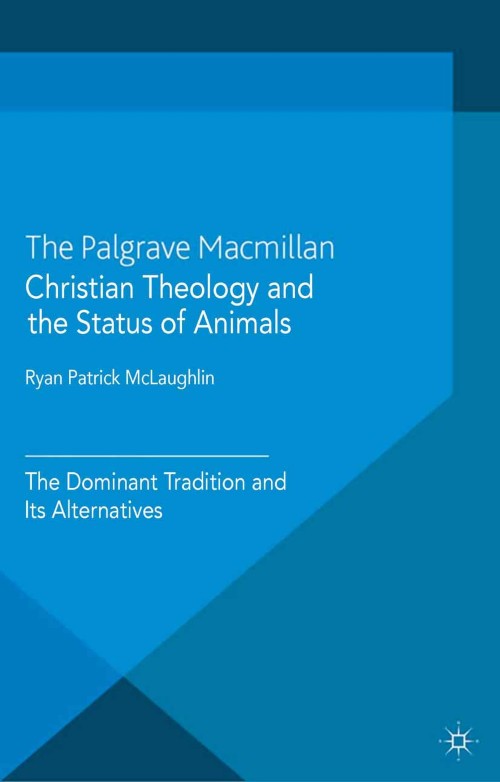
245 10|aChristian Theology and the Status of Animals|h[electronic resource] :|bThe Dominant Tradition and Its Alternatives /|cby R. McLaughlin.
250 |a1st ed. 2014.
264 1|aLondon :|bPalgrave Macmillan UK :|bImprint: Palgrave Macmillan,|c2014.
300 |aXII, 202 p.|bonline resource.
336 |atext|btxt|2rdacontent
337 |acomputer|bc|2rdamedia
338 |aonline resource|bcr|2rdacarrier
347 |atext file|bPDF|2rda
490 1 |aThe Palgrave Macmillan Animal Ethics Series,|x2634-6680
520 |aThe author argues that there are conflicting traditions with regard to the question of what is the moral standing of animals according to Christianity. The dominant tradition maintains that animals are primarily resources but there are alternative strands of Christian thought that challenge this view.
650 0|aSociology.
650 0|aReligion.
650 0|aReligion|xPhilosophy.
650 0|aEthics.
650 0|aChristianity.
650 0|aTheology.
650 14|aSociology.
650 24|aReligion.
650 24|aPhilosophy of Religion.
650 24|aMoral Philosophy and Applied Ethics.
650 24|aChristianity.
650 24|aChristian Theology.
710 2 |aSpringerLink (Online service)
773 0 |tSpringer Nature eBook
776 08|iPrinted edition:|z9781137344571
776 08|iPrinted edition:|z9781349466061
776 08|iPrinted edition:|z9781349466078
830 0|aThe Palgrave Macmillan Animal Ethics Series,|x2634-6680
856 40|uhttps://doi.org/10.1057/9781137344588
912 |aZDB-2-PRE
912 |aZDB-2-SXPR
950 |aPalgrave Religion & Philosophy Collection (SpringerNature-41145)
950 |aPhilosophy and Religion (R0) (SpringerNature-43725)