LEADER 01877nam a22004575i 4500
001 826478
003 TR_AnAIT
005 20260131073835
007 cr nn 008mamaa
008 151208s2013 xxk| s |||| 0|eng d
020 |a9781137354143|9978-1-137-35414-3
024 7 |a10.1057/9781137354143|2doi
041 |aeng
049 |aTürk Tarih Kurumu Kütüphanesi
050 4|aBL51
072 7|aHRAB|2bicssc
072 7|aPHI022000|2bisacsh
072 7|aQRAB|2thema
082 04|a210|223
090 |aDK/27580
100 1 |aOppy, G.|eauthor.|4aut|4http://id.loc.gov/vocabulary/relators/aut
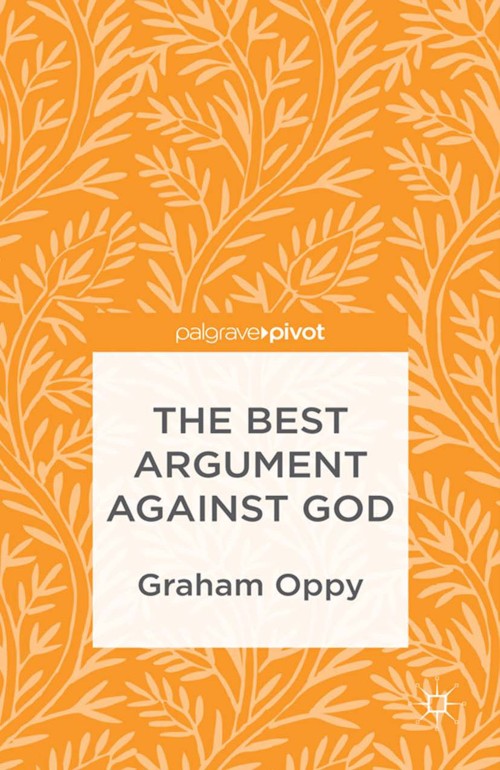
245 14|aThe Best Argument against God|h[electronic resource] /|cby G. Oppy.
250 |a1st ed. 2013.
264 1|aLondon :|bPalgrave Macmillan UK :|bImprint: Palgrave Pivot,|c2013.
300 |aVI, 93 p.|bonline resource.
336 |atext|btxt|2rdacontent
337 |acomputer|bc|2rdamedia
338 |aonline resource|bcr|2rdacarrier
347 |atext file|bPDF|2rda
520 |a.... compares two theories—Naturalism and Theism—on a wide range of relevant data. It concludes that Naturalism should be preferred to Theism on that data. The central idea behind the argument is that, while Naturalism is simpler than Theism, there is no relevant data that Naturalism fails to explain at least as well as Theism does.
650 0|aReligion|xPhilosophy.
650 0|aTheology.
650 14|aPhilosophy of Religion.
650 24|aChristian Theology.
710 2 |aSpringerLink (Online service)
773 0 |tSpringer Nature eBook
776 08|iPrinted edition:|z9781137354136
776 08|iPrinted edition:|z9781349469871
776 08|iPrinted edition:|z9781349469888
856 40|uhttps://doi.org/10.1057/9781137354143
912 |aZDB-2-PRE
912 |aZDB-2-SXPR
950 |aPalgrave Religion & Philosophy Collection (SpringerNature-41145)
950 |aPhilosophy and Religion (R0) (SpringerNature-43725)