LEADER 02225nam a22005655i 4500
001 827663
003 TR_AnAIT
005 20260131063748
007 cr nn 008mamaa
008 151211s2014 xxk| s |||| 0|eng d
020 |a9781137301055|9978-1-137-30105-5
024 7 |a10.1057/9781137301055|2doi
041 |aeng
049 |aTürk Tarih Kurumu Kütüphanesi
050 4|aHN
072 7|aHBTB|2bicssc
072 7|aHIS054000|2bisacsh
072 7|aNHTB|2thema
082 04|a306.09|223
090 |aDK/28763
100 1 |aLambie, J.|eauthor.|4aut|4http://id.loc.gov/vocabulary/relators/aut
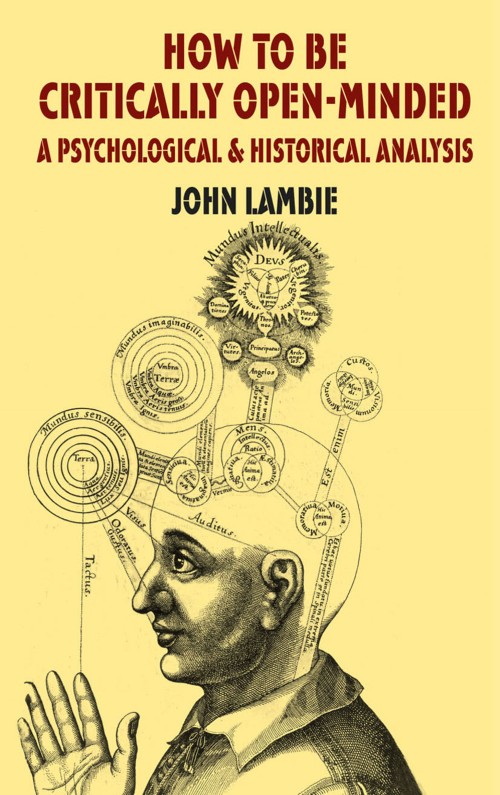
245 10|aHow to be Critically Open-Minded: A Psychological and Historical Analysis|h[electronic resource] /|cby J. Lambie.
250 |a1st ed. 2014.
264 1|aLondon :|bPalgrave Macmillan UK :|bImprint: Palgrave Macmillan,|c2014.
300 |aXIII, 239 p.|bonline resource.
336 |atext|btxt|2rdacontent
337 |acomputer|bc|2rdamedia
338 |aonline resource|bcr|2rdacarrier
347 |atext file|bPDF|2rda
520 |aIn a lively and subversive analysis, psychologist John Lambie explains how to see another person's point of view while remaining critical – in other words how to be 'critically open-minded'. Using entertaining examples from history and psychology, Lambie explores the implications of critical open-mindedness for scientific and moral progress.
650 0|aSocial history.
650 0|aPhilosophy of mind.
650 0|aEngineering.
650 0|aLife sciences.
650 0|aSocial sciences.
650 0|aHumanities.
650 0|aScience.
650 14|aSocial History.
650 24|aPhilosophy of Mind.
650 24|aTechnology and Engineering.
650 24|aLife Sciences.
650 24|aHumanities and Social Sciences.
650 24|aPhysical Sciences.
710 2 |aSpringerLink (Online service)
773 0 |tSpringer Nature eBook
776 08|iPrinted edition:|z9781137301048
776 08|iPrinted edition:|z9781349453375
776 08|iPrinted edition:|z9781349453382
856 40|uhttps://doi.org/10.1057/9781137301055
912 |aZDB-2-PSE
912 |aZDB-2-SXS
950 |aPalgrave Social Sciences Collection (SpringerNature-41146)
950 |aSocial Sciences (R0) (SpringerNature-43726)